Req 1 — Hazards, First Aid & Safety Afloat
This opening requirement covers the safety foundation for the whole badge. You need to understand three connected ideas:
- What can go wrong around a motorboat
- How to handle common injuries and illnesses on the water
- How Safety Afloat turns good intentions into a real plan
If you learn these three pieces together, the rest of the badge makes much more sense.
Requirement 1a
A gas can, a spinning propeller, and an open stretch of water do not look equally dangerous, but all three can injure people fast. The key word in this requirement is not just respond. It is also anticipate. Good motorboaters notice danger early enough that the emergency never fully develops.
Flammable fuel
Gasoline vapors ignite easily. They can collect in low spaces where you cannot see them, especially in enclosed areas. That is why fueling is a calm, checklist-driven job.
- Anticipate: Know where fuel is stored, where vapors may collect, and whether passengers are carrying flame sources.
- Prevent: Shut off the engine, keep everyone still, avoid smoking, and wipe spills immediately.
- Mitigate: Ventilate after fueling and check for fuel odors before starting.
- Respond: If fire starts, stop fuel flow if possible, use the proper extinguisher if trained and safe to do so, and get people clear.
Carbon monoxide
Carbon monoxide, often called CO, is especially dangerous because you cannot see or smell it. Engine exhaust can build up near the stern, under covers, or in poorly ventilated spaces.
- Anticipate: Know where exhaust collects, especially when the engine is idling.
- Prevent: Keep people away from exhaust areas and maintain ventilation.
- Mitigate: Watch for headache, dizziness, confusion, nausea, or unusual fatigue.
- Respond: Move everyone to fresh air at once, stop the source if possible, and get medical help.
Propellers
A propeller does not need high speed to cause severe injury. Even at low throttle, a rotating prop can cut deeply.
- Anticipate: Know exactly where every swimmer, skier, and passenger is before shifting into gear.
- Prevent: Shut off the engine when people are boarding, swimming near the boat, or in the water at the stern.
- Mitigate: Use the engine cut-off switch when appropriate and enforce a no-horseplay rule.
- Respond: Stop the engine immediately, protect the injured person from further harm, control bleeding, and call for emergency help.
Collisions
Most collisions are not caused by one giant mistake. They grow out of poor lookout, excessive speed, blind turns, distraction, and bad spacing.
- Anticipate: Keep scanning 360 degrees, not just straight ahead.
- Prevent: Slow down near docks, traffic, and narrow water; know right-of-way rules; never assume another operator sees you.
- Mitigate: Leave space for evasive action and communicate early.
- Respond: Check passengers first, account for everyone, control immediate hazards, and follow local reporting rules if damage or injury occurred.
Falls overboard, capsize, and running aground
People fall because boats shift, wake hits unexpectedly, or someone stands or moves at the wrong time. Capsize and grounding often begin with poor balance, bad loading, shallow water, or taking conditions too lightly.
Hazard Response Habits
What smart boaters do before trouble grows
- Count people often: You should know who is aboard and where they are.
- Keep passengers briefed: Tell them when to stay seated, hold on, or avoid moving.
- Know the water depth: Shallow water and hidden obstacles change everything.
- Reduce speed early: Most close calls get easier when throttle comes down.
- Carry the right gear where you can reach it: Life jackets, sound signal, anchor, lines, and first-aid items matter only if accessible.
Requirement 1b
Motorboating may feel cooler than hiking because of wind across the water, but that can fool you. Sun, glare, spray, and constant motion create their own medical problems. You do not need to become a doctor for this requirement. You do need to recognize trouble early and know the right first steps.
Hypothermia
Hypothermia happens when the body loses heat faster than it can replace it. Cold water makes this risk much worse, even on days that do not feel freezing.
- Move the person out of wind and wet conditions.
- Replace wet clothing with dry layers if available.
- Warm the person gradually with blankets or dry clothing.
- Give warm drinks only if the person is awake and able to swallow.
- Seek medical help for confusion, intense shivering, slurred speech, or clumsiness.
Heat reactions and dehydration
Heat exhaustion and dehydration often build slowly. A Scout may seem irritable, tired, headachy, or dizzy before anyone realizes there is a problem.
- Get the person into shade.
- Loosen extra clothing or gear.
- Give water or an appropriate sports drink in small amounts if the person is alert.
- Cool with damp cloths or airflow.
- Escalate quickly if there is vomiting, confusion, fainting, or hot dry skin.
Motion sickness
Motion sickness is miserable, but it can also distract someone from safety instructions.
- Move the person where they can look at the horizon.
- Keep them in fresh air if possible.
- Reduce strong smells and unnecessary motion.
- Give small sips of water.
- If the person becomes weak or dehydrated, head in.
Bug bites and blisters
Motorboating often means docks, shorelines, waiting areas, and wet footwear. That is where bites and blisters appear.
- Wash the area if possible.
- Use simple first-aid treatment for itching, swelling, or skin protection.
- Watch for allergic reaction: trouble breathing, swelling of face or throat, or widespread hives needs urgent help.
- Cover blisters before they tear open. A small hot spot becomes a painful problem quickly when feet stay wet.
Requirement 1c
Safety Afloat is the operating system behind safe Scout boating. It is not just a list to memorize for your counselor. It is a way to think before the dock line ever leaves shore.
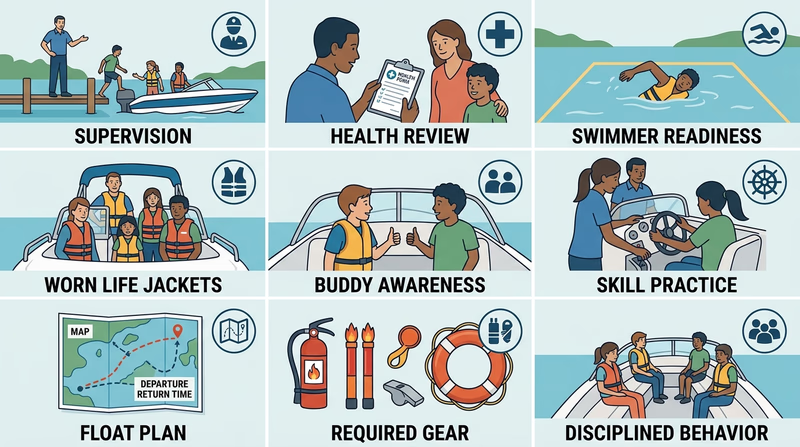
The policy includes qualified supervision, personal health review, swimming ability, life jackets, buddy system, skill proficiency, planning, equipment, and discipline. In motorboating, those points affect everything from who is allowed to run the boat to whether the trip should happen at all.
How Safety Afloat looks in motorboating
- Qualified supervision: An adult leader with proper training oversees the activity and makes the final safety decisions.
- Personal health review: Leaders know about medical conditions, medications, or limits that matter on the water.
- Swimming ability: People around boats need honest assessment of water skills, especially before open-water work.
- Life jackets: Correctly fitted, worn, and fastened whenever required.
- Buddy system: No one disappears unnoticed.
- Skill proficiency: The operator and crew practice skills before harder conditions.
- Planning: The route, weather, float plan, and emergency contacts are thought through in advance.
- Equipment: Required gear is aboard, working, and reachable.
- Discipline: Everyone follows instructions immediately, especially when conditions change.
What Your Counselor Wants to Hear
How to explain Safety Afloat well
- Name the point clearly. Do not just say “safety.” Say which part of the policy you mean.
- Connect it to motorboating. Explain what it changes on a real trip.
- Give a practical example. Weather checks, engine cut-off switch use, or life jacket wear are good examples.
- Show that points work together. Planning, equipment, and discipline support each other.
You now know what can hurt people around a motorboat and how Scouting expects you to prevent it. Next, build the water-readiness skills that every motorboater needs before handling a boat underway.