Req 2 — Swim Readiness & Life Jackets
This requirement covers two simple truths that every boater needs to respect: if you end up in the water, you must be able to handle yourself, and if you wear the wrong life jacket, your safety plan gets weaker fast.
Requirement 2a
The swimmer test is not a formality. It proves that you can stay calm, move with control, and recover in the water without panicking. Those are essential boating skills, even if you never plan to swim for fun during a motorboating trip.
If you fall overboard, help someone else, or need to move away from a damaged boat, you want real water confidence, not wishful thinking. That is why this requirement comes before the on-water demonstration in Requirement 5.
Why the swimmer test matters for motorboating
A motorboat creates distance quickly. Water may be cold, choppy, or deeper than you expected. Clothing and shoes can feel heavy. Spray, fuel smell, or sudden noise can increase stress. Passing the swimmer test shows that you can keep functioning when the water is the problem, not the playground.
How to prepare
- Practice relaxed, efficient strokes instead of thrashing.
- Get comfortable floating and changing direction.
- Swim in conditions similar to where you normally do aquatics training.
- Focus on steady breathing. Panic wastes energy faster than almost anything else.
Swimmer-Test Readiness
Good habits before you test
- Know the standard: Ask your counselor or aquatics staff to explain the test exactly.
- Practice continuous effort: Smooth, nonstop swimming matters more than speed.
- Stay calm after entry: Strong boating swimmers recover quickly after getting wet unexpectedly.
- Treat it honestly: This is about safety, not pride.
When this requirement mentions the Swimming merit badge, use our own Swimming merit badge page as a starting point for broader swim-skill preparation.
Scouting America Safety Afloat See how swimming ability fits into Scouting's required planning and safety framework for boating activities. Link: Scouting America Safety Afloat — https://www.scouting.org/health-and-safety/safety-afloat/Requirement 2b
A personal flotation device, usually called a PFD or life jacket, is one of the most important pieces of boating gear you will ever wear. The best PFD is not just approved. It is appropriate for the activity, fits the person wearing it, and stays fastened the whole time.
Common PFD types
You do not need to memorize every label format your state might use, but you should understand the main categories and how they are used.
- Offshore-style, high-buoyancy jackets: Built for rougher conditions and situations where rescue may take longer.
- Near-shore buoyant vests: Common, wearable life jackets for general recreational boating.
- Flotation aids: Designed for activities where mobility matters and the user is expected to help themselves in the water.
- Throwable devices: Ring buoys or cushions meant to be thrown to someone, not worn as the primary jacket.
- Special-use or inflatable models: Built for specific activities or users and only appropriate when their instructions and legal requirements are met.
For a Scout learning motorboating, the most common choice is a properly fitted, wearable U.S. Coast Guard-approved life jacket suited to recreational boating. Your counselor will want you to know when a throwable device helps and why it does not replace a worn jacket.
How to choose the right PFD
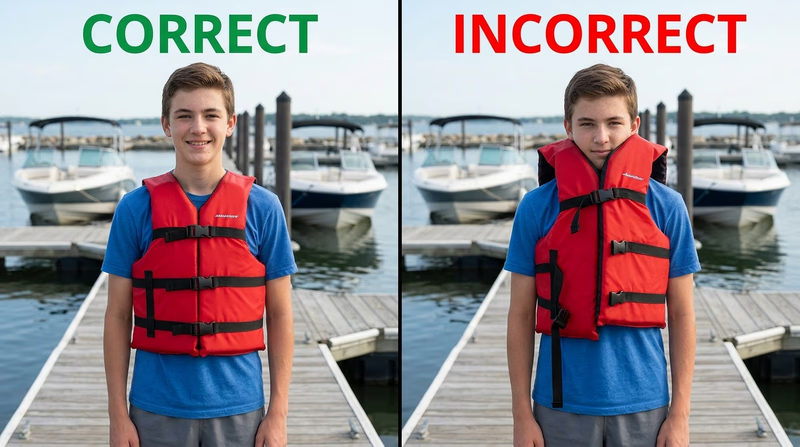
Choose based on body size, water activity, conditions, and the boat’s plan for the day. Read the label. If the PFD is too large, it can ride up. If too small, it will not work as designed. If it is the wrong style for the activity, people are more likely to loosen it, remove it, or wear it incorrectly.
How to fit it correctly
- Pick the size recommended for the wearer.
- Fasten every buckle, zipper, or closure.
- Tighten the straps so the jacket feels snug.
- Raise your arms, twist, and sit if possible.
- Have a partner tug upward at the shoulders.
- If it rides up badly or shifts too much, adjust again or change size.
Quick PFD Fit Check
What to confirm before leaving the dock
- Correct label and size: Matches the wearer and intended use.
- Snug fit: Tight enough that it will not slide over the chin or ears.
- Full closure: Every buckle and zipper secured.
- Comfort for real movement: The wearer can sit, turn, and help with the boat.
- Condition: No broken straps, damaged fabric, or missing hardware.
With swim readiness and life jackets covered, the next step is understanding the machine itself. Before you run a boat well, you need to know what powers it, how to fuel it safely, and how engine choices affect the way people use boats.