Req 4a — Teach and Lead Songs
Teaching songs is a different skill from simply knowing them yourself. You have to break the music into learnable pieces, keep the group together, and use clear gestures so people know when to start, stop, and sing with confidence.
Choose Songs the Group Can Succeed With
Pick songs with:
- melodies that are easy to remember
- words that are clear and repeat enough to learn quickly
- a comfortable vocal range for the group
- a steady beat
Camp songs, rounds, simple folk songs, and familiar hymns often work well. The goal is not to impress people with complexity. The goal is to help them sing well together.
Teaching Plan for Each Song
Keep the group moving instead of guessing
- Introduce the song: Name it and give one sentence of context.
- Model it first: Sing or play the melody once so the group hears the shape.
- Teach in chunks: One line or phrase at a time works best.
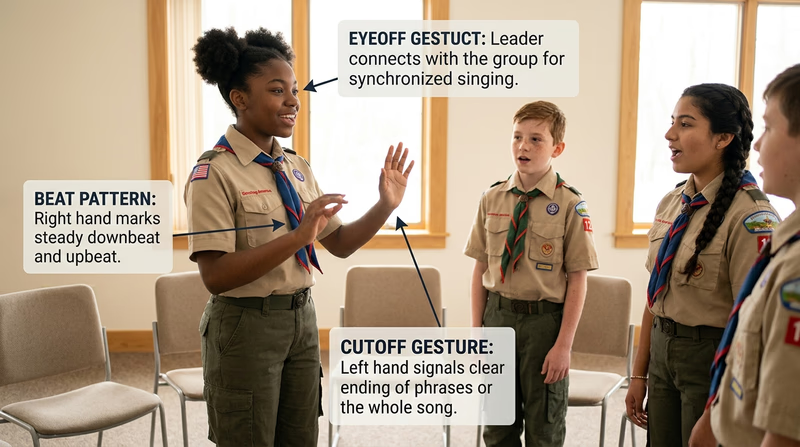
- Use hand motions clearly: Show beat, entries, cutoffs, and repeated sections.
- Run the full song: Put the parts together and keep the tempo steady.
What Hand Motions Should Do
Proper hand motions are not random waving. They communicate.
You might use gestures to:
- show the beat
- cue a section to begin
- signal louder or softer singing
- indicate a cutoff at the end
- help a round or echo song enter at the right moment
Even simple motions work if they are intentional and easy to follow.
Teach, Then Lead
A useful sequence is:
- teach the melody
- teach tricky words
- explain any actions or motion cues
- run a short section
- lead the whole song
If the group struggles, do not apologize endlessly or rush ahead. Slow down, isolate one phrase, and try again. That calm problem-solving is part of leadership.
This option shares skills with Req 3c. In both cases, steady tempo, calm leadership, and expressive communication matter more than flashy difficulty.
If teaching songs is not your choice, the next option shows a different creative route: composing your own piece from scratch.