Req 4b — Compose a 12-Measure Piece
Composing can feel intimidating until you remember that every big piece starts with a small idea. A short rhythm, a two-note pattern, or a melody that rises and falls in a satisfying way can become the seed of your whole piece.
Start with a Manageable Plan
Twelve measures is long enough to show shape, but short enough to control. Before writing notes, decide a few basics:
- your instrument
- a key that feels comfortable
- a time signature you can count confidently
- a mood or character
- whether the piece will repeat, contrast, or build toward an ending
Simple Composition Blueprint
Use this structure if you do not know where to begin
- Measures 1–4: Introduce the main idea.
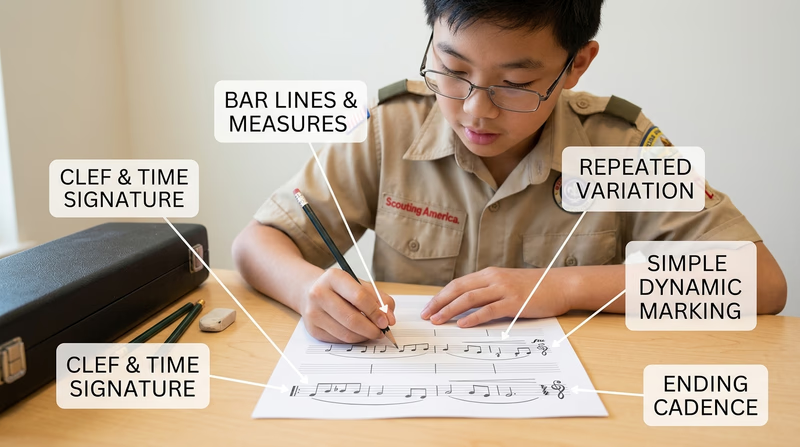
- Measures 5–8: Repeat it with a small change or answer phrase.
- Measures 9–12: Build toward a clear ending.
Write a Score Someone Else Could Follow
The score matters because it proves you can communicate your music on the page, not only from memory. Include the things a performer needs:
- clef
- key signature if needed
- time signature
- note values and rests
- bar lines
- tempo indication if helpful
- dynamics or phrasing marks if they matter to the piece
This connects directly to Req 1, where you learned to read signs and terms in a score. Now you are the one giving the instructions.
Think in Patterns
Many strong pieces use repetition with variation. That means you bring back a musical idea but change one feature so it still feels interesting.
You could vary:
- the ending note
- the rhythm
- the starting pitch
- the dynamic level
- the articulation
That way your piece feels connected instead of random.
Play What You Wrote
The last part of the requirement is important: you must play your composition. That performance will quickly reveal whether the music is comfortable, logical, and readable.
When you test it:
- listen for awkward jumps
- check whether rhythms feel natural
- make sure the ending sounds complete
- notice whether the dynamics help the shape
If you would rather build sound with your hands than invent it on staff paper, the next option takes you into traditional instrument making.