Req 1 — Plants Support Animal Life
Take plants out of an ecosystem and animals begin to disappear fast. A squirrel, deer, butterfly, duck, or fox may seem very different, but all of them depend on plants either directly or indirectly.
Three Big Ways Plants Help Animals
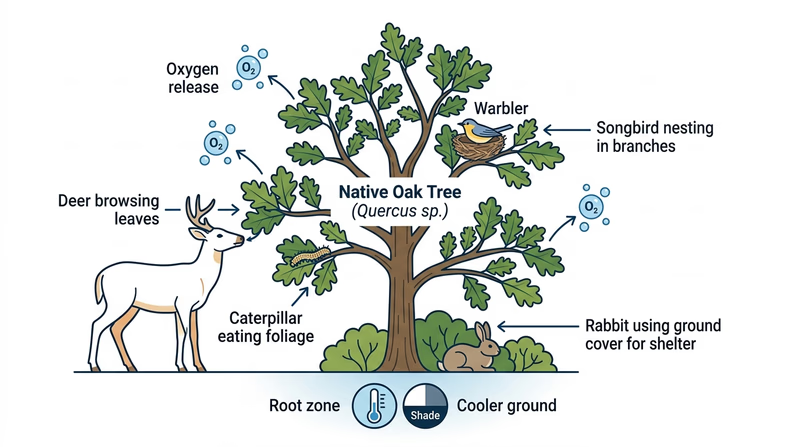
Food is the most obvious answer. Deer browse leaves and twigs. Caterpillars chew plant tissue. Hummingbirds drink nectar. Even predators depend on plants because the animals they eat depended on plants first.
Shelter is just as important. Trees hold nests. Grass hides young rabbits. Shrubs protect songbirds from predators and weather. Wetland plants give fish fry and frogs places to hide.
Oxygen and habitat quality matter too. Through photosynthesis, plants release oxygen and help regulate temperature, moisture, and soil stability. That creates living conditions animals can survive in.
When you explain plants to your counselor
Use examples from a place you know
- Food: Name one animal that eats seeds, leaves, fruit, nectar, or another plant part.
- Shelter: Point out where an animal nests, hides, or rests in or near plants.
- Habitat support: Explain how plants cool an area, protect soil, or help water stay clean.
Looking for a Protected Plant
The second half of this requirement asks you to name a plant that is protected in your state or region and explain why it is at risk. This is where local research matters. A plant can be common in one state and rare in another.
Here are good questions to guide your research:
- Is the plant threatened, endangered, rare, or specially protected where you live?
- What habitat does it need?
- What is harming that habitat?
- Are people collecting it, mowing it, developing the land, or introducing invasive species?
- Is climate change changing temperature, water, or fire patterns where it grows?
What “At Risk” Usually Means
Plants are often at risk because their habitat is shrinking or changing. A wildflower that needs open prairie may disappear when land is paved or overgrown. A wetland plant may decline if water levels change. Some rare orchids and carnivorous plants are threatened because people dig them up.
If you choose a plant for this requirement, be ready to explain the chain of cause and effect. For example: “This plant needs seasonal wetlands. Draining those wetlands removes the habitat, so the plant cannot reproduce well.” That kind of answer shows understanding, not just memorization.
Why Animals Need Plants (video) A short overview showing how plants provide food, oxygen, and habitat for animals. Link: Why Animals Need Plants (video) — https://www.pbs.org/video/why-animals-need-plants-y469zr 11 Plants That Use Animals to Do Their Dirty Work (website) Examples of plant-animal partnerships that can help you think beyond simple food relationships. Link: 11 Plants That Use Animals to Do Their Dirty Work (website) — https://completegardening.com/11-plants-that-use-animals-to-do-their-dirty-work/A Strong Way to Discuss This Requirement
Try organizing your answer like this:
- Name the plant-to-animal connection.
- Give a specific example from nature.
- Explain why the connection matters.
- Then describe your protected plant and what threatens it.
You do not need the “perfect” rare plant. You need a real local example and a clear explanation.
Plants help animals survive. Next, turn the relationship around and look at the surprising ways animals help plants.