Req 4a — Birds in the Field
This field starts with looking up and listening carefully. Then it asks you to make a small improvement to habitat and watch what happens over time.
Requirement 4a1
How to identify birds in the field
Start with shape and size before color. A robin-sized bird hopping on the ground tells you more than a tiny flash of yellow disappearing into leaves. Notice the bill shape, tail length, wing pattern, posture, and behavior.
Where to look
Different birds use different layers of habitat. Waterfowl stay near ponds and marshes. Woodpeckers cling to trunks. Sparrows feed low in brush or grass. Hawks circle overhead or perch on poles.
What to record
Write down the date, location, habitat, what the bird was doing, and the clues you used. Even a quick note like “small gray bird, white eye ring, flicking tail in shrubs” helps later.
🎬 Video: How to Identify Birds [TOP 10 BACKYARD BIRDS] (video) — https://www.youtube.com/watch?v=HtBcOk8ICpA
Requirement 4a2
Choosing what to build or place
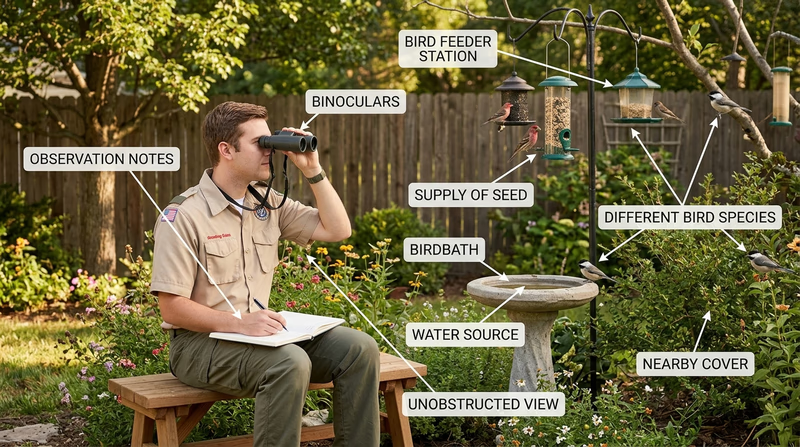
A birdhouse helps cavity nesters like bluebirds or wrens if the size and location fit the species. A feeding station attracts seed-eating birds and lets you compare preferences. A birdbath can attract species that may ignore feeders but still need clean water.
Keeping a good one-month record
Make a chart with dates, times, weather, and species seen. You do not need birds every day, but regular observation matters. Try checking at the same time of day several times each week.
What makes the setup work
Place it where birds feel safe, with cover nearby but not so close that predators can hide easily. Keep baths and feeders clean. If you use a feeder, use the right food and refill it consistently.
🎬 Video: DIY Birdhouse (video) — https://www.youtube.com/watch?v=u4iAhnbWpz8
🎬 Video: How to Pick (or Build) the Right Bird Bath for Your Garden (video) — https://www.youtube.com/watch?v=yZl2N2XlHDA
🎬 Video: Build a Bird House for Under $5 in Under 5 Minutes (video) — https://www.youtube.com/watch?v=j0werPvrrPI
Bird station success checklist
Simple habits that improve your results
- Keep water fresh and clean.
- Record visits regularly for a full month.
- Place stations where you can observe without disturbing birds.
- Note which species use which setup most often.
Birds train your eyes to spot movement and pattern fast. Next, shift from feathers to fur and learn how mammals leave clues even when you never see them directly.