Req 2 — Coatings, Paint Types & Sheen
This requirement covers four connected ideas every painter needs to understand:
- why coatings matter beyond color
- how paint types differ in cleanup, durability, and use
- where specific finishes belong on real projects
- why the “best” product depends on the surface and the job
A good painter does not start by asking, “What color should I use?” A good painter starts by asking, “What does this surface need?”
Requirement 2a: Why coatings improve a surface
Coatings improve surfaces in at least three big ways.
1. Protection
Paint and other coatings shield surfaces from damage. On wood, they slow down moisture movement that can lead to swelling, cracking, rot, or peeling. On metal, the right coating helps block rust. On walls and trim, coatings make the surface easier to wash after fingerprints, dirt, or splashes.
2. Appearance
Coatings change how a surface looks. They can make an old wall look clean again, brighten a dark room, or help trim stand out from surrounding surfaces. Stains and clear finishes can highlight wood grain instead of covering it.
3. Performance
Some coatings make a surface work better. A porch rail may need a finish that handles weather and frequent touching. A bathroom wall may need something that stands up to humidity. A concrete floor may need a coating that resists scuffing and is easier to clean.
🎬 Video: Epoxy Resin Coatings (video) — https://www.youtube.com/watch?v=A-ERekKoohI
Requirement 2b: Oil-based, acrylic-based, and water-based paints
These names describe how the paint is made and how it behaves. They affect drying time, cleanup, smell, flexibility, and durability.
| Paint type | Main strengths | Watch-outs | Typical uses |
|---|---|---|---|
| Oil-based | Hard, durable finish; smooth leveling | Stronger odor, slower drying, solvent cleanup | Some trim, specialty surfaces, older restoration work |
| Acrylic-based | Good adhesion, flexibility, durability | Must still be matched to the right surface | High-quality interior and exterior jobs |
| Water-based | Easier cleanup, lower odor, faster drying | Some formulas may be less durable than premium products | Walls, ceilings, many common home projects |
Oil-based paint
Oil-based paint usually dries to a hard finish and can level out smoothly, which is why it was popular for trim, doors, and surfaces that take wear. The tradeoff is stronger fumes, longer drying time, and cleanup with mineral spirits or another solvent.
Acrylic-based paint
Acrylic paint is a common modern choice because it sticks well, stays flexible, and often handles temperature changes better than older formulas. That flexibility matters outdoors, where surfaces expand and contract.
Water-based paint
Many modern interior wall paints are water-based. They usually have easier soap-and-water cleanup, dry faster, and produce less odor than oil-based products. For many Scout-sized projects, they are simpler to use and easier to clean up safely.
🎬 Video: Paints - Oil, Water, Enamel, Acrylic (video) — https://www.youtube.com/watch?v=jEyTpUfbrYA
🎬 Video: Water vs Oil Based Paints (video) — https://www.youtube.com/watch?v=T99OFHCLF4s
Requirement 2c: Enamel, flat paint, stain, varnish, and sheen
Enamel paint
Enamel paint is chosen when you want a tougher, more washable finish. It is often used on trim, doors, cabinets, railings, or other surfaces that get touched a lot.
Flat paint
Flat paint has very little shine. It hides surface flaws better than shinier finishes, which makes it useful on ceilings and some walls where you want a softer look and do not need heavy scrubbing.
Wood stain
Wood stain adds color while letting the grain show through. It is a good choice when the wood itself is attractive and you want to highlight it rather than hide it.
Varnish
Varnish is a clear protective finish often used over wood. It adds a protective layer and can come in different sheen levels, from low luster to glossy.
Why sheen matters
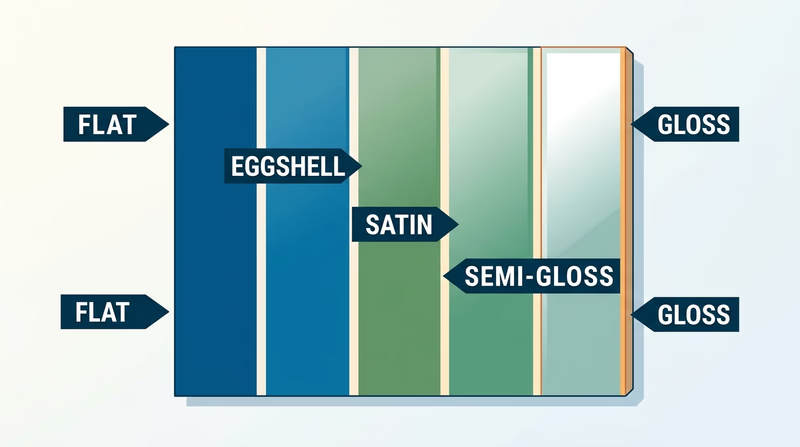
Sheen is how shiny a finish looks when light hits it. It matters because it affects both appearance and performance.
- Lower sheen often hides flaws better.
- Higher sheen is usually easier to wipe clean.
- Too much sheen can make wall defects stand out.
- Too little sheen may not hold up as well on high-touch surfaces.
🎬 Video: Paint Sheen Differences Explained (video) — https://www.youtube.com/watch?v=DyKh80Yt9k0
Requirement 2d: Why each finish is best for its use
This part is about reasoning, not memorizing brand names. Your counselor wants to hear why one product fits one job better than another.
How to explain your choice
Use this logic for each finish
- Surface material: Is it drywall, wood, metal, masonry, or something else?
- Wear and cleaning: Will people touch it often, bump it, or wash it regularly?
- Moisture and weather: Will it face humidity, rain, or temperature swings?
- Look you want: Should the finish hide flaws, show grain, or reflect light?
- Maintenance: Will the surface need touch-ups or easy cleaning later?
For example, flat paint is often best where hiding imperfections matters more than scrub resistance. Enamel is often best where durability and cleaning matter. Stain is best when you want to show the wood. Varnish is best when you want a protective clear coat over wood.
That same decision process will help you in Req 3 when you choose two real painting projects and match them to the right prep, primer, and topcoat.
OSHA — Safety and Health Topics: Lead Background on lead hazards that matter when older painted surfaces are sanded, scraped, or repaired. Link: OSHA — Safety and Health Topics: Lead — https://www.osha.gov/leadAs you head to the next page, shift from paint theory to real planning. You are about to choose projects, prepare surfaces, and make the same kinds of decisions real painters make.