Req 7 — Paint, Health, and the Environment
Paint seems harmless when you only notice the color. This requirement asks you to notice the hidden side: what gets into the air, what ends up on the ground, and what happens to leftover product after the job is done. Responsible painters do more than finish the surface. They control the whole mess.
Removing old paint
Removing paint can create the biggest health risks of the whole project. Scraping, sanding, heat, or chemical removers can all release material you do not want in your lungs, on your skin, or spread around the site.
Dust and old coatings
Dust from paint removal can irritate the eyes and lungs even when the paint is modern. On older buildings, the risk may be much higher if the coating contains lead. That is why older painted surfaces should never be treated casually.
Chemical strippers
Some paint removers work by softening old coatings so they can be scraped away. These products can be strong, messy, and irritating. Good ventilation, gloves, and careful label reading matter.
🎬 Video: Paint Removers (video) — https://www.youtube.com/watch?v=8lG6dAZE52k
Applying paint
Application can affect indoor air quality, skin, and nearby soil or water.
Fumes and ventilation
Some coatings release vapors while they dry. In enclosed spaces, those fumes can build up and cause headaches, irritation, or dizziness. Good airflow helps protect people and also helps the finish cure the way it should.
Overspray, drips, and spills
Outside, paint can end up on plants, soil, sidewalks, or storm drains if the work area is not controlled. Inside, splashes and spills can spread material far beyond the surface you meant to coat.
Discarding old paint
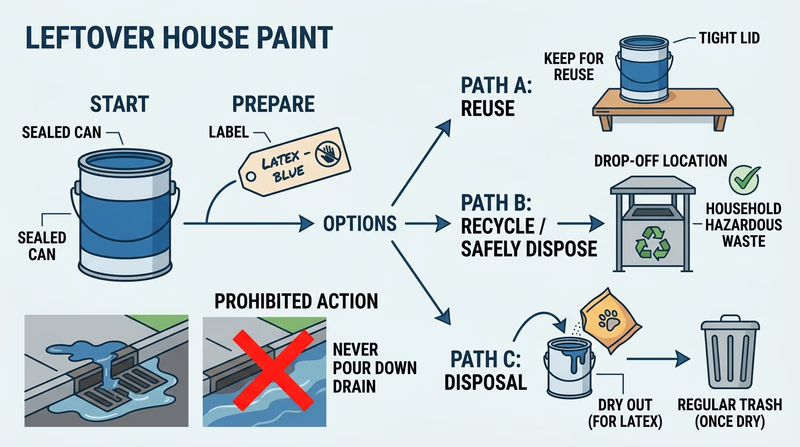
Leftover paint is not regular trash in every situation. Rules vary by product and by location, but the key idea is simple: dispose of it the way your community requires, not the way that seems quickest.
Why careless disposal is a problem
Paint or solvent poured on the ground, into a storm drain, or down a sink can contaminate water or create a hazard in plumbing and waste systems. Containers that still hold usable product may also create fire or exposure risks if stored badly.
🎬 Video: How to Dispose of Old Paint (video) — https://www.youtube.com/watch?v=7YKuwlGgWpc
Responsible paint disposal habits
Use local rules, but keep these principles in mind
- Keep products in labeled containers so no one has to guess what they are.
- Store leftovers safely until you know the correct disposal or recycling option.
- Never pour paint into storm drains or onto soil.
- Ask about local recycling or take-back programs for paint and related materials.
The final badge requirement asks you to look beyond the project itself and think about where painting knowledge can lead next — as a career, a hobby, or part of a healthy lifestyle.