Extended Learning
A. Introduction
Congratulations — you have earned the Personal Fitness merit badge! You have tested yourself, built a plan, followed through for 12 weeks, and come out stronger on the other side. But earning the badge is not the finish line. The knowledge and habits you have built are meant to last a lifetime. Here are some ways to keep growing.
B. Deep Dive: Building a Year-Round Fitness Routine
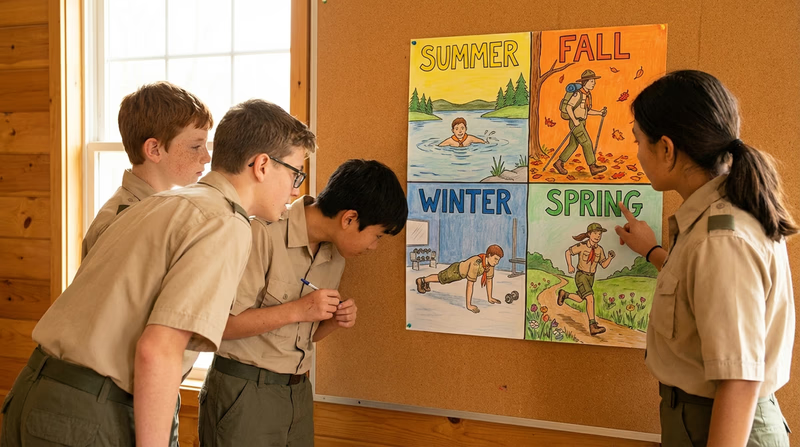
Your 12-week program was a structured introduction to regular exercise. The next step is turning that structure into a sustainable year-round habit. Here is how to make fitness a permanent part of your life.
Periodization is the practice of varying your training throughout the year to avoid burnout and continue making progress. Athletes and coaches break the year into phases:
- Base phase (4–8 weeks): Build a foundation of aerobic fitness and general strength at moderate intensity.
- Build phase (4–6 weeks): Increase intensity and volume. Push harder and train more specifically for your goals.
- Peak phase (2–4 weeks): Train at your highest intensity. This is when you perform your best.
- Recovery phase (1–2 weeks): Reduce intensity and volume significantly. Let your body rest, heal, and adapt.
You do not need a coach to use periodization. Simply alternate between harder and easier weeks, and take a planned “easy week” every 4–6 weeks. Your body will thank you.
C. Deep Dive: Nutrition for Performance
Now that you understand the basics of balanced eating, here are some next-level nutrition concepts for the active Scout:
Pre-workout nutrition. Eat a small meal or snack 1–2 hours before exercise. Focus on easily digestible carbohydrates with a little protein. Examples: a banana with peanut butter, a granola bar, or toast with honey.
Post-workout nutrition. Within 30–60 minutes after exercise, eat a combination of protein and carbohydrates to help your muscles recover. Examples: chocolate milk (surprisingly effective), a turkey sandwich, or yogurt with fruit.
Hydration strategies. For workouts under an hour, water is all you need. For longer sessions (90+ minutes), especially in heat, a sports drink can help replace electrolytes lost through sweat. Learn to monitor your hydration by checking the color of your urine — pale yellow means well-hydrated, dark yellow means you need more water.
D. Deep Dive: Mental Health and Exercise
The connection between exercise and mental health is one of the most exciting areas of modern science. Regular physical activity has been shown to:
- Reduce symptoms of depression and anxiety as effectively as some medications
- Improve sleep quality
- Boost self-esteem and body image
- Enhance cognitive function and academic performance
- Build resilience against stress
If you ever feel overwhelmed, anxious, or down, one of the most immediate things you can do is move your body. A 20-minute walk, a set of push-ups, or a bike ride around the block can shift your brain chemistry in a matter of minutes.
This does not mean exercise replaces professional help. If you are struggling with your mental health, talk to a trusted adult and seek support from a counselor or therapist. But exercise is a powerful complement to any mental health strategy.
E. Real-World Experiences
Ready to take your fitness beyond the backyard? These events and programs offer challenge, community, and adventure.
Scouting High Adventure Bases
Local 5K / Fun Run Events
YMCA Youth Fitness Programs
Spartan Race / Obstacle Course Racing
Community Sports Leagues
F. Organizations
These organizations support youth fitness, health education, and active lifestyles.
Funds research and promotes cardiovascular health through education, advocacy, and community programs.
Promotes physical activity, fitness, sports participation, and good nutrition for all Americans.
Community-based organization offering youth fitness programs, swimming, sports, and leadership development.
Advances parks, recreation, and conservation for the health and well-being of all people.
Provides adaptive sports and recreation opportunities for people with disabilities across the country.
The world’s largest organization of food and nutrition professionals, offering resources for healthy eating.