Req 1d — Why Fitness Matters
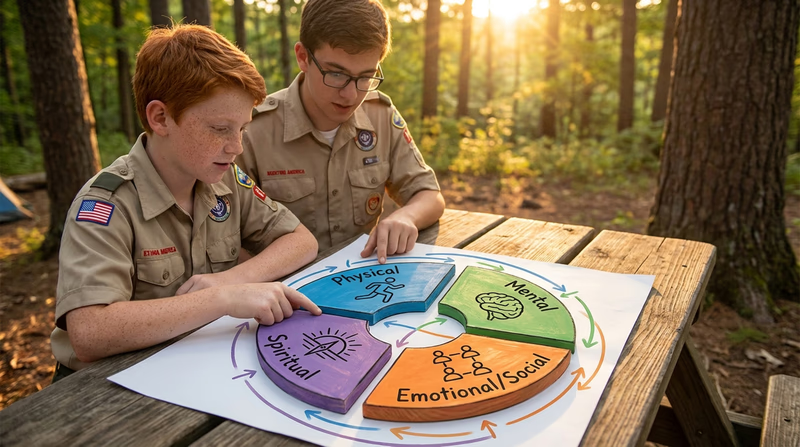
You have explored four dimensions of fitness — physical, mental, emotional/social, and spiritual. Each one matters on its own, but the real power comes when they work together. Think of personal fitness as a table with four legs. If one leg is shorter than the others, the table wobbles. If one leg is missing entirely, the table falls over.
The Whole-Person Connection
Your body, mind, emotions, and spirit are not separate systems that operate independently. They are deeply connected, and what happens in one area ripples into all the others.
Physical fitness fuels everything else. When you exercise regularly, your brain gets more oxygen and nutrients. That improves your ability to concentrate, learn, and remember. Exercise also releases endorphins — natural chemicals that boost your mood and reduce anxiety. A physically active person is better equipped to handle stress, sleep well, and show up as a good friend and family member.
Mental fitness helps you make better choices. A clear, focused mind helps you plan your workouts, resist temptation, and stick with your goals when things get hard. Mental fitness also helps you evaluate information — like knowing the difference between a legitimate nutrition plan and a fad diet.
Emotional fitness keeps you on track. Everyone hits rough patches. The Scout who is emotionally fit can handle a bad day without giving up on their fitness program. They can manage frustration during a tough workout and bounce back from setbacks without spiraling.
Spiritual fitness gives you purpose. When you know why you are doing something — not just what — you are far more likely to follow through. A strong sense of purpose keeps you motivated during the hard middle weeks of a 12-week fitness program when the excitement of starting has worn off.
What Happens When One Area Falls Behind
Imagine a Scout who is incredibly strong and fast but cannot manage their anger. Their physical fitness is impressive, but their emotional fitness is holding them back — and it affects their friendships, their troop experience, and their ability to lead.
Now imagine a Scout who is kind, thoughtful, and well-liked, but they never exercise and eat junk food every day. Their social and emotional fitness is excellent, but their physical health is heading in a dangerous direction that could catch up with them in adulthood.
The goal is not perfection in every area. The goal is balance — paying attention to all four dimensions and working to improve in each one.
Long-Term Benefits
Being fit in all four areas does not just help you today. It sets you up for a healthier, more fulfilling life as an adult. Here is what the research tells us:
- Physically fit teens are far less likely to develop heart disease, type 2 diabetes, and certain cancers as adults.
- Mentally fit young people perform better in school and careers, and are better at managing money, time, and relationships.
- Emotionally resilient teens are less likely to struggle with substance abuse and are better equipped to handle the pressures of adulthood.
- Spiritually grounded young people report higher levels of life satisfaction and a stronger sense of meaning and purpose throughout their lives.
The habits you build now — during your Scout years — create the foundation for the adult you will become. That is why this merit badge asks you to commit to a 12-week program. Twelve weeks is enough time to build real habits, not just temporary motivation.