Req 2a — Physical Examinations
An annual physical examination is like a tune-up for your body. Just like you would not drive a car for years without checking the oil, brakes, and tires, you should not go year after year without having a healthcare provider take a close look at how your body is doing.
Why Annual Checkups Matter
Most of the time, you feel fine. That is great — but “feeling fine” does not always mean everything is working perfectly. Some health issues develop slowly and silently. High blood pressure, early signs of diabetes, vision changes, and even heart conditions can be present without any obvious symptoms. A physical exam can catch these problems early, when they are easiest to treat.
Annual checkups also give your doctor or healthcare provider a baseline — a record of what is normal for you. If something changes next year, they can compare it to this year’s results and spot the difference. Without that baseline, small changes can go unnoticed until they become big problems.
What Happens During a Physical Exam
A typical physical examination for a young person covers several key areas:
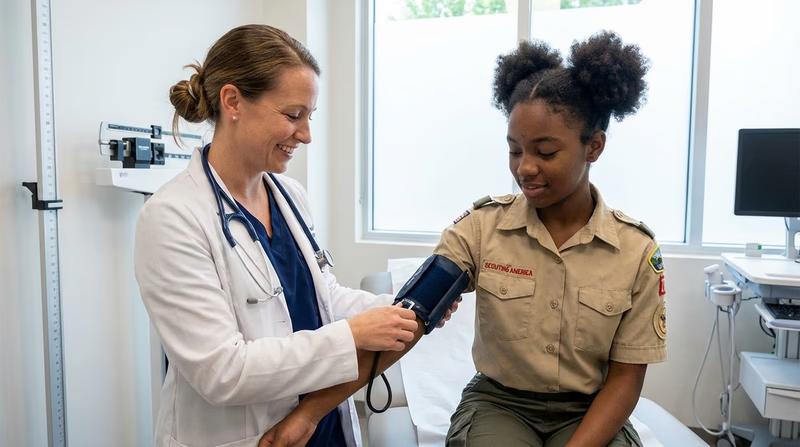
Overall health check. Your provider measures your height, weight, blood pressure, and heart rate. They listen to your heart and lungs, check your reflexes, and examine your eyes, ears, nose, and throat. These basic checks can reveal a surprising amount about your health.
Immunization review. Your provider checks your vaccination records to make sure you are up to date. Vaccines protect you from serious diseases like tetanus, measles, meningitis, and HPV. If you are behind on any shots, your provider can get you caught up.
Medication review. If you take any medications — prescription or over-the-counter — your provider reviews them to make sure they are still appropriate and that the doses are correct. They also check for potential interactions between medications.
Allergy assessment. Knowing your allergies is critical, especially for outdoor activities. Your provider documents any allergies to medications, foods, insect stings, or environmental triggers so that this information is available in an emergency.
Medical history update. Your provider reviews your family medical history (conditions that run in your family, like heart disease or diabetes) and your personal medical history (past surgeries, injuries, chronic conditions). This helps them understand your risk factors and tailor their advice to you.
Why This Matters for Your Fitness Program
This merit badge requires you to design and complete a 12-week fitness program. A physical exam before you start is important because your provider can:
- Confirm that you are healthy enough for vigorous exercise
- Identify any conditions that might require modifications to your plan
- Give you personalized advice on nutrition, sleep, and activity levels
- Provide a medical baseline to compare against after your 12-week program