Req 3b — Avoiding Harmful Substances
One of the most important fitness decisions you make every day is what you choose not to put into your body. Avoiding harmful substances is not about following rules for the sake of rules — it is about protecting the body and brain you are still building.
Why This Matters Right Now
Your body is still developing. Your brain will not finish maturing until your mid-twenties. The substances that are dangerous for adults are even more dangerous for you because they can permanently alter how your body and brain grow. Choosing to avoid harmful substances during your teen years is one of the single most impactful things you can do for your long-term health.
Substances to Consciously Avoid
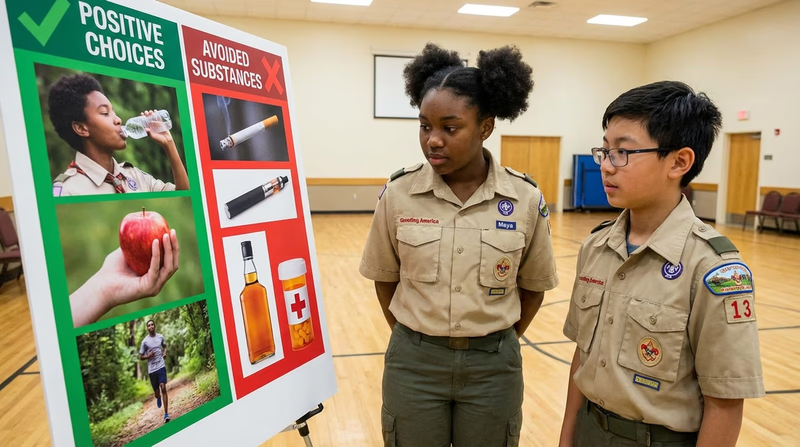
Tobacco and nicotine products. This includes cigarettes, cigars, chewing tobacco, and — increasingly — vaping devices (e-cigarettes). Nicotine is highly addictive. It rewires the reward circuits in your developing brain, making it harder to concentrate, learn, and control impulses. Tobacco smoke damages your lungs and cardiovascular system, directly undermining the aerobic fitness you are working to build.
Alcohol. Alcohol impairs judgment, slows reflexes, and damages your liver. For a developing brain, alcohol is especially harmful — it can interfere with memory formation, decision-making ability, and emotional regulation. Even occasional use during your teen years has been linked to long-term changes in brain structure.
Illegal drugs. Marijuana, opioids, stimulants, and other drugs carry serious risks including addiction, overdose, impaired brain development, and legal consequences. Even marijuana, which is legal for adults in some states, can harm the developing teen brain and reduce motivation, memory, and learning ability.
Misused prescription and over-the-counter medications. Taking someone else’s prescription, using more than the recommended dose, or using medication for purposes other than intended is drug misuse. This includes painkillers, stimulants (like medications for ADHD), and even cough and cold medicines.
Performance-enhancing substances. Anabolic steroids and other performance-enhancing drugs can seem tempting if you want to get stronger faster. But the risks are severe: liver damage, heart problems, hormonal disruption, stunted growth, and mood disorders (“roid rage”). There are no shortcuts to fitness that do not come with a heavy price.
How Avoiding Substances Affects Your Risk Factors
Every substance you avoid reduces your risk of serious health problems — both now and decades from now:
| Substance Avoided | Risk Reduced |
|---|---|
| Tobacco/nicotine | Lung cancer, heart disease, stroke, chronic lung disease, addiction |
| Alcohol | Liver disease, brain damage, accidents, addiction, impaired development |
| Illegal drugs | Addiction, overdose, brain damage, legal consequences |
| Steroids | Heart failure, liver damage, hormonal problems, stunted growth |
Peer Pressure and How to Handle It
Knowing the facts is important, but the hardest part is often saying “no” when everyone around you seems to be saying “yes.” Here are strategies that work:
- Have a ready response. Practice a simple, confident “No thanks, I’m good.” You do not owe anyone an explanation.
- Choose your crew wisely. Surround yourself with people who share your values. The friends who pressure you to do things you are uncomfortable with are not your best friends.
- Leave the situation. If the pressure is intense, it is always okay to leave. Text a parent or trusted adult to pick you up. No party or gathering is worth your health.
- Know your “why.” When you have a strong reason — like your fitness goals, your Scout values, or your future plans — saying no gets easier.