Req 3c — Vaccinations
Vaccines are one of the most powerful tools in the history of medicine. They have saved hundreds of millions of lives and eliminated or dramatically reduced diseases that once killed or disabled huge numbers of people — including children. Understanding how vaccines work and which ones you need is an important part of personal fitness.
How Vaccines Work
Your immune system is your body’s defense against germs — bacteria and viruses that cause disease. When you get sick, your immune system learns to recognize the specific germ and fight it. After you recover, your body “remembers” that germ and can fight it off much faster if it shows up again.
A vaccine teaches your immune system to recognize a specific germ without making you sick. It introduces a harmless piece of the germ (or a weakened version of it) so your body can build defenses in advance. If you are ever exposed to the real disease, your immune system is ready to fight it off before it can make you seriously ill.
Common Diseases Prevented by Vaccines
Here are some of the diseases that vaccines protect you against:
- Tetanus — caused by bacteria found in soil, dust, and animal waste. It causes severe muscle stiffness and spasms. Particularly relevant for Scouts who spend time outdoors.
- Diphtheria — a bacterial infection that can cause a thick coating in the throat, making it hard to breathe.
- Pertussis (whooping cough) — causes violent, uncontrollable coughing that can last for weeks and is especially dangerous for infants.
- Measles — a highly contagious virus that causes fever, rash, and can lead to serious complications including brain inflammation.
- Mumps — causes swelling of the salivary glands and can lead to deafness and other complications.
- Rubella (German measles) — usually mild, but extremely dangerous for unborn babies if a pregnant woman is infected.
- Polio — a virus that can cause permanent paralysis. Before the vaccine, polio paralyzed tens of thousands of children every year in the United States.
- Meningococcal disease — bacterial meningitis that can cause brain damage and death within hours. The vaccine is especially important for teens.
- HPV (Human Papillomavirus) — the most common sexually transmitted infection, which can cause several types of cancer. The vaccine is recommended for preteens.
- Influenza (flu) — a viral infection that causes fever, body aches, and respiratory symptoms. The flu vaccine is updated annually.
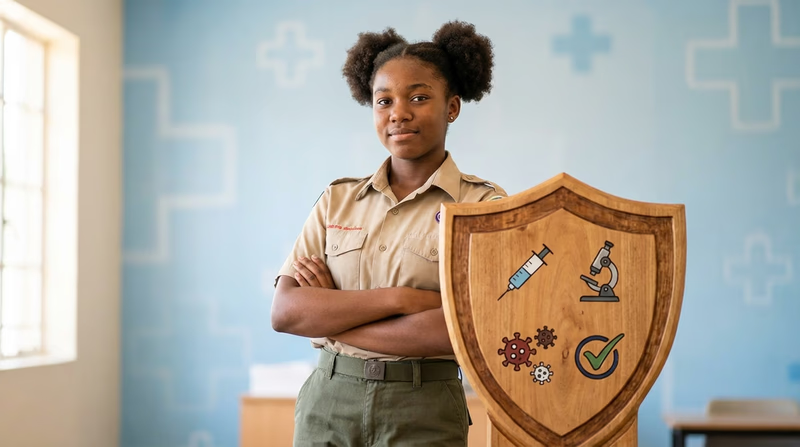
Your Vaccination Schedule
The CDC publishes a recommended immunization schedule for children and teens. By the time you are working on this merit badge, you have likely already received most of your childhood vaccines. However, there are several that are specifically recommended for preteens and teens:
Recommended Teen Vaccines
Talk to your healthcare provider about these
- Tdap booster: Protects against tetanus, diphtheria, and pertussis. Usually given at age 11–12.
- Meningococcal vaccine: First dose at 11–12, booster at 16. Protects against bacterial meningitis.
- HPV vaccine: Usually given at 11–12. Prevents several types of cancer later in life.
- Annual flu vaccine: Recommended every year for everyone 6 months and older.
- COVID-19 vaccine: Recommended based on current CDC guidance.
Why Vaccination Matters for Fitness
Being vaccinated is a form of preventive health care — just like exercising and eating well. Vaccines protect you from diseases that could sideline you for days, weeks, or even permanently. For a Scout who is about to begin a 12-week fitness program, getting sick with a preventable disease could derail your entire plan.
Vaccines also protect the people around you. Some people — very young children, elderly adults, and people with weakened immune systems — cannot be vaccinated. When you are vaccinated, you help create a shield of protection around those vulnerable people. This concept is called community immunity (sometimes called “herd immunity”).