Req 3d — Nutrition
Food is fuel. Everything your body does — from pumping blood to solving math problems to running a mile — requires energy, and that energy comes from what you eat. Good nutrition is not a separate topic from fitness; it is the foundation that makes all other fitness possible.
How Nutrition Connects to Each Component
Cardiorespiratory fitness and nutrition. Your heart and lungs need the right fuel to perform. Complex carbohydrates (whole grains, fruits, vegetables) provide steady energy for aerobic activities. Without enough fuel, your endurance drops and your workouts suffer. Hydration is equally critical — even mild dehydration reduces your cardiovascular performance.
Muscular strength and endurance. Muscles are built and repaired with protein. After a workout, your muscles need protein (from sources like chicken, fish, beans, eggs, nuts, or dairy) to recover and grow stronger. Without adequate protein, you will not see the strength gains you are working toward.
Flexibility and nutrition. Proper hydration keeps your muscles and connective tissues supple. Nutrients like vitamin C (found in citrus fruits and bell peppers) support collagen production, which keeps your tendons and ligaments healthy and flexible.
Body composition. This is where nutrition has its most direct impact. Your body composition is shaped by the balance between what you eat and how much energy you burn. A diet heavy in processed foods, sugary drinks, and fast food contributes to excess body fat, while a balanced diet supports lean muscle growth.
Mental and emotional fitness. Your brain consumes about 20% of your daily calories. It needs glucose from carbohydrates to function, omega-3 fatty acids (from fish, walnuts, and flaxseed) for brain health, and a steady supply of vitamins and minerals to regulate mood. Studies show that a poor diet is linked to higher rates of depression and anxiety.
What a Balanced Diet Looks Like
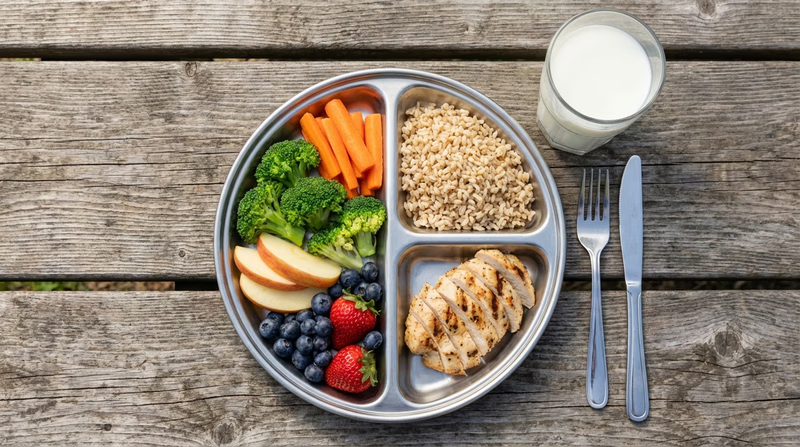
The USDA’s MyPlate model is a simple, visual guide to balanced eating. It divides your plate into five food groups:
- Fruits — Whole fruits are better than juice. Aim for variety and color.
- Vegetables — The more, the better. Dark greens, red and orange vegetables, beans, and peas are especially nutritious.
- Grains — Make at least half your grains whole grains (whole wheat bread, brown rice, oatmeal).
- Protein — Vary your sources: lean meats, poultry, fish, beans, peas, nuts, seeds, and eggs.
- Dairy — Milk, yogurt, and cheese provide calcium for strong bones. Choose low-fat options when possible.
Common Nutrition Mistakes
Even Scouts with good intentions can fall into these traps:
- Skipping breakfast. Your body has been fasting all night. Breakfast restarts your metabolism and gives your brain the fuel it needs to focus at school. Even something simple — a banana with peanut butter, or a bowl of oatmeal — makes a difference.
- Drinking your calories. Soda, energy drinks, sports drinks, and sweetened coffee drinks are loaded with sugar and provide almost no nutritional value. Water is your best hydration source for most activities.
- Relying on processed foods. Chips, fast food, and packaged snacks are convenient but often high in sodium, sugar, and unhealthy fats. They fill you up without giving your body what it actually needs.
- Not eating enough. Active teens need significantly more calories than sedentary ones. If you are exercising regularly and feel constantly tired, you may not be eating enough to fuel your activity level.