Req 7e — Reducing Debt
Getting Out of Debt
Debt is a tool — like fire, it can be useful when controlled and destructive when it gets out of hand. This requirement teaches you practical strategies for reducing and eliminating debt. Even if you do not have debt right now, understanding these strategies prepares you for the future.
The First Step: Stop Adding New Debt
Before you can pay off existing debt, you need to stop creating new debt. This sounds obvious, but it is the step most people skip. If you are paying off a credit card while continuing to charge new purchases, you are running on a treadmill — working hard but going nowhere.
Two Popular Debt Payoff Strategies
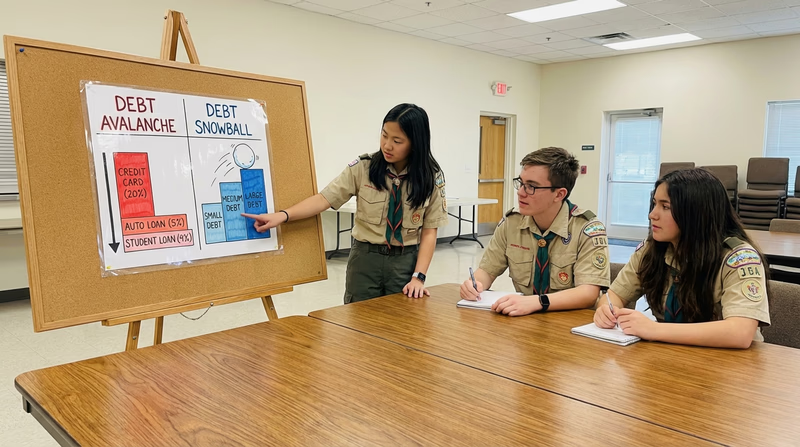
The Debt Avalanche (Highest Interest First)
List all your debts from highest interest rate to lowest. Make minimum payments on everything, then put every extra dollar toward the debt with the highest interest rate. Once that is paid off, roll that payment into the next highest interest rate debt.
- Pros: Saves the most money in interest over time
- Cons: If your highest-rate debt is also your largest, it can take a long time to see progress
The Debt Snowball (Smallest Balance First)
List all your debts from smallest balance to largest. Make minimum payments on everything, then put every extra dollar toward the smallest debt. Once that is paid off, roll that payment into the next smallest debt.
- Pros: Quick wins build motivation — paying off a small debt feels great and keeps you going
- Cons: You may pay more in total interest because you are not prioritizing high-rate debts
Other Strategies for Reducing Debt
Increase payments: Even small increases make a difference. Paying $50 extra per month on a credit card can cut your payoff time in half.
Negotiate lower interest rates: Call your credit card company and ask for a lower rate. If you have been a good customer with on-time payments, they will often agree. A lower rate means more of your payment goes toward the principal.
Balance transfer: Some credit cards offer a 0% APR introductory period (usually 12–18 months) for balances transferred from other cards. This lets you pay down the principal without interest piling up. Be aware of transfer fees (usually 3–5%).
Debt consolidation: Combining multiple debts into a single loan with a lower interest rate. This simplifies your payments and can reduce the total interest you pay.
Sell things you do not need: Use the proceeds to make a lump-sum payment toward your debt. This is a one-time boost, but every dollar counts.
Increase your income: Take on extra work, sell a skill, or find other ways to earn more. Direct the extra income entirely toward debt payoff.
Strategies That Do Not Work
Prevention Is the Best Strategy
The easiest debt to pay off is the debt you never take on. The budgeting skills you learned in Requirement 2 and the understanding of credit from Requirement 7c give you the tools to avoid problematic debt in the first place.
Debt Prevention Habits
Build these habits now to avoid debt problems later
- Build an emergency fund: 3–6 months of expenses so you do not need to borrow for surprises
- Pay credit cards in full every month: Never carry a balance
- Distinguish needs from wants: Only borrow for true needs
- Shop around for loans: Always compare APRs before borrowing
- Live below your means: Spend less than you earn, every month