Pets Merit Badge — Complete Digital Resource Guide
https://merit-badge.university/merit-badges/pets/guide/
Introduction & Overview
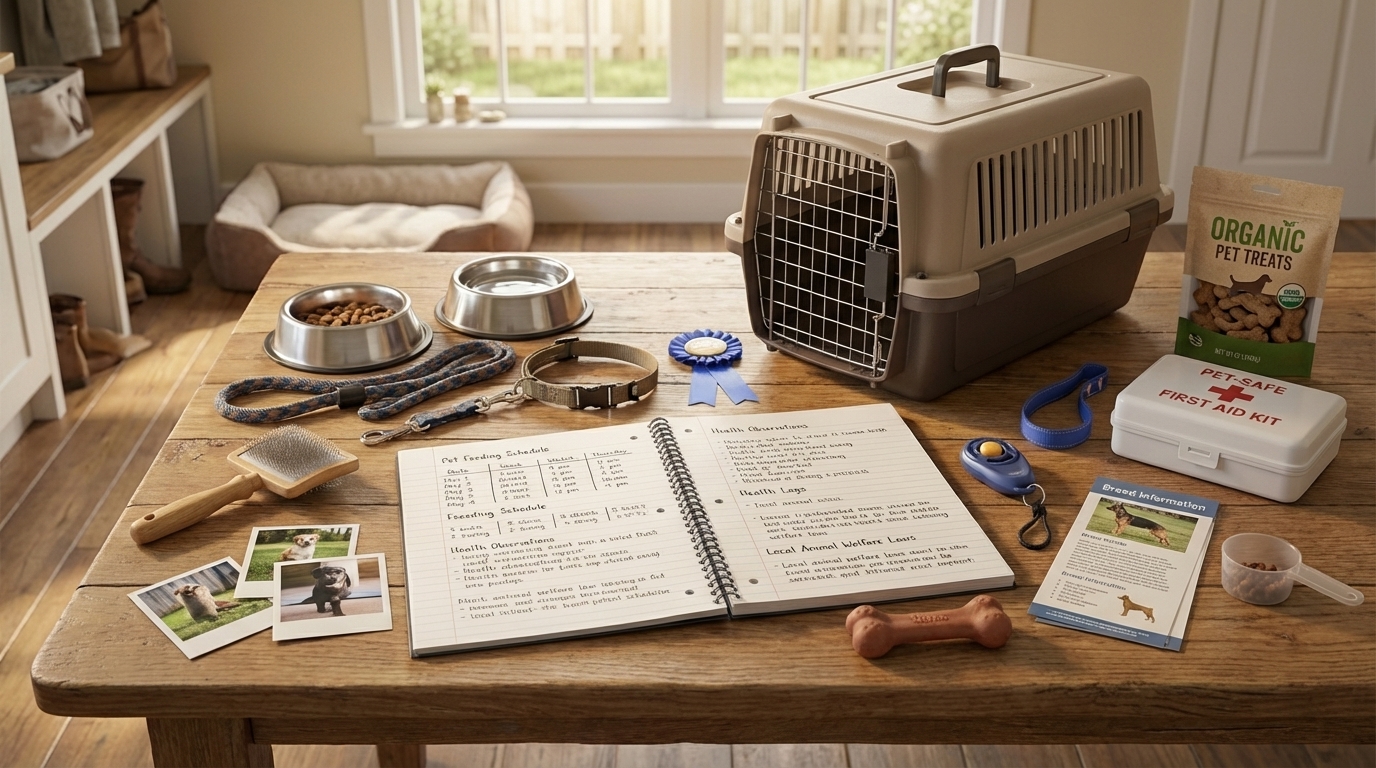
Living with a pet means sharing your daily life with another living creature that depends on you. A pet can be funny, comforting, challenging, messy, and rewarding all at once. This merit badge helps you notice what responsible pet care really looks like: steady routines, safe housing, patient training, and respect for an animal’s needs.
Pets also teach skills that matter far beyond animal care. When you watch behavior closely, keep a care log, solve a training problem, or speak up for your pet’s health, you are practicing observation, responsibility, and empathy.
Then and Now
Then
Humans have lived with animals for thousands of years, but not always for the same reasons. Dogs likely began as working partners for hunting and protection. Cats were welcomed for their skill at catching rodents around stored grain. Birds, fish, rabbits, and other animals were often kept for food, pest control, sport, or trade long before people thought of them mainly as companions.
Over time, the human-animal relationship changed. People started breeding animals not only for work, but also for temperament, appearance, and life in the home. Caring for a pet became less about what the animal could do for you and more about how you could live well together.
Now
Today, millions of families keep pets for companionship, exercise, emotional support, and simple enjoyment. Modern pet care includes better nutrition, safer habitats, vaccines, enrichment toys, behavior science, and regular veterinary care. We also understand much more clearly that each species has its own physical and emotional needs. A hamster is not cared for like a turtle. A parakeet is not housed like a gecko. A good pet owner learns the difference and acts on it.
Get Ready!
This badge is not about saying you love animals. It is about proving you can care for one well. You will track routines, explain housing and feeding, learn from approved reading, and choose a hands-on challenge that shows real effort. Come ready to observe closely and think like your pet’s advocate.
Kinds of Pets
Mammals
Dogs, cats, rabbits, guinea pigs, hamsters, gerbils, rats, and ferrets are common mammal pets. Many mammals need daily social interaction, clean bedding, species-appropriate food, exercise, and regular health checks. Some, like rabbits and guinea pigs, hide illness well, so careful observation matters.
Birds
Parakeets, cockatiels, canaries, parrots, and finches are intelligent, active pets. Birds often need roomy cages, mental stimulation, perches of different sizes, and careful attention to noise, drafts, and safe household air quality. A bird’s social needs can be just as important as its food dish.
Reptiles and Amphibians
Turtles, geckos, bearded dragons, snakes, and frogs have very specific habitat needs. Temperature, humidity, lighting, and enclosure setup are not optional details. For these pets, the habitat is part of the animal’s basic health care.
Fish and Aquatic Pets
Fish, shrimp, snails, and other aquarium animals depend completely on water quality. Clean-looking water is not always safe water. Tank size, filtration, water chemistry, and species compatibility all matter.
Invertebrates and Other Specialty Pets
Hermit crabs, tarantulas, insects, and other unusual pets can be fascinating, but they still need informed care. Specialty pets often require more research because fewer people understand them well. If you keep an uncommon pet, your job is to become a careful student of its needs.
Pets come in many forms, but the heart of good care stays the same: learn what the animal needs, then meet those needs consistently.
Req 1 — Four Months of Care
A pet does not care whether you meant to feed it, clean its habitat, refill its water, or notice a health problem. It needs those things done every day. This requirement is really about proving that you can be dependable over time, not just enthusiastic for a weekend.
What Counts as Evidence?
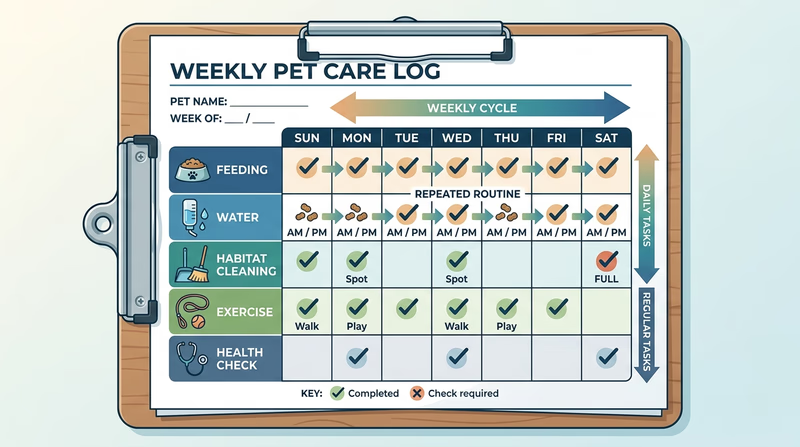
Your counselor wants to see a record that shows real care over four months. Evidence can include a written log, a calendar, a notebook, a spreadsheet, photos with dates, receipts for supplies, or a combination of those. The strongest evidence is simple, consistent, and specific.
A good log usually tracks things like:
What to Track
Pick the items that fit your type of pet- Daily food and water: What you gave, how much, and whether anything changed.
- Habitat care: Cage cleaning, litter changes, tank maintenance, bedding changes, or yard cleanup.
- Exercise and enrichment: Walks, play sessions, training, social time, or supervised exploration.
- Health observations: Appetite, weight changes, shedding, stool, energy level, coat condition, or anything unusual.
- Appointments and supplies: Vet visits, nail trims, medicine, filter changes, new bedding, or food purchases.
If your pet is part of a family routine, make sure you can show which part of the care was yours. This is one reason the counselor approval matters before you begin.
Build a Routine You Can Actually Keep
The easiest way to succeed is to attach pet care to parts of your normal day. Morning feeding might happen before school. Evening playtime might happen after homework. Tank checks might happen right after dinner. If you build the job into your schedule, you are much less likely to forget.
Think about your pet’s needs in three layers:
Basic Needs
These are the nonnegotiables: fresh water, proper food, a safe place to live, clean conditions, and the right temperature or environment. Missing these can harm your pet quickly.
Health Needs
These include grooming, checking for signs of illness, cleaning bowls, monitoring waste, and getting help when something looks wrong. Many pets do not show obvious pain, so small changes matter.
Quality-of-Life Needs
A well-cared-for pet needs more than survival. It may need exercise, mental stimulation, hiding places, climbing space, chew toys, social time, or quiet time. A bored pet can become stressed, destructive, withdrawn, or unhealthy.
Watch for Patterns, Not Just Tasks
The best pet owners do more than complete chores. They notice patterns. Does your dog drink less on cool days? Does your hamster become more active at night? Does your lizard bask longer after a habitat adjustment? Does your rabbit stop finishing its food when stressed?
Those patterns help you catch trouble early. They also give you strong material for Req 2, where you will explain care, feeding, and housing in detail.
Use the Official Video as a Model
The official resource below shows one way to think about an activity log. Your own log does not have to look exactly the same, but it should show the same kind of steady documentation.
🎬 Video: Create an Activity Log (video) — https://www.youtube.com/watch?v=uh8tDZj9I_A
What Makes a Counselor Conversation Go Well
When you meet with your counselor, do not just drop a stack of notes on the table. Be ready to explain what the record shows.
Talk about:
- which tasks happened every day or every week
- what was hardest to stay consistent about
- what you learned about your pet’s routine
- any changes you made because your pet’s needs became clearer
That last point matters. Good pet care is not mindless repetition. It is learning, adjusting, and paying attention.
Now that you have documented daily care, the next step is explaining why that care matters and how your pet’s needs fit together.
Req 2 — Know Your Pet Well
If a friend had to care for your pet for one week, could you hand them clear instructions that would keep the animal healthy and safe? That is the real test behind this requirement. Your writing should show that you understand not only what you do, but why your pet needs it.
Organize Your 200+ Words Around Five Questions
A strong response is easier to write when you break it into clear parts.
What Your Write-Up Should Cover
Use these five buckets to organize your ideas- Care: What daily, weekly, and monthly tasks keep your pet healthy?
- Feeding: What does your pet eat, how much, how often, and what foods should be avoided?
- Housing: What kind of space, temperature, bedding, lighting, or equipment does your pet need?
- Interesting facts: What makes this species unique in behavior, body design, senses, or habits?
- Local laws: Are there leash laws, licensing rules, exotic-pet restrictions, vaccination requirements, or housing rules that apply where you live?
You do not need fancy language. You need accurate details. A counselor would rather hear a plain, specific explanation than a vague paragraph full of general statements.
Care Means Daily Needs Plus Observation
Describe the tasks that keep your pet safe and comfortable. That might include feeding, watering, cleaning a habitat, exercise, grooming, handling, social interaction, or health checks. Try to explain both the routine and the reason behind it.
For example, saying “I clean the tank” is only half the job. Saying “I change part of the water and check the filter so waste does not build up and stress the fish” shows understanding. The same idea applies to litter boxes, bedding, cages, hutches, terrariums, and outdoor enclosures.
Feeding Is More Than “My Pet Eats This”
Good feeding information answers several questions:
- what food is appropriate for the species
- how often the pet should eat
- how much is reasonable
- whether treats are limited
- what foods are dangerous
- how fresh water is provided
A cat, a snake, a guinea pig, and a goldfish all eat differently for different biological reasons. This is a good place to prove that you know your pet as an animal, not just as a companion.
🎬 Video: Understanding Hamsters: Care, Feeding, Housing, and More (video) — https://www.youtube.com/watch?v=Pi_slxuGJUg
Even if your pet is not a hamster, notice how the video connects feeding, housing, and behavior. That same kind of connected thinking will strengthen your own write-up.
Housing Should Match the Species
Your pet’s home should support normal behavior, not just contain the animal. Birds need room to perch and move. Rabbits need space to stretch and safe materials to chew. Reptiles may need heat gradients and UV lighting. Dogs need secure fencing or leash control, shelter, and safe places to rest.
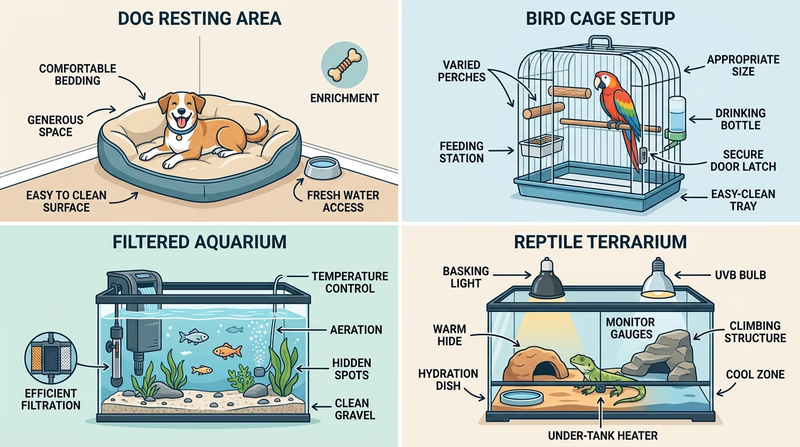
When you write about housing, mention the details that matter most for your kind of pet:
- space size
- bedding or substrate
- hiding places or enrichment
- light and temperature
- cleaning routine
- safety hazards to avoid
Interesting Facts Should Show Real Curiosity
This section should be fun, but it still needs substance. Choose facts that help explain your pet’s behavior or needs.
Examples of useful facts:
- Rabbits have teeth that keep growing, which is why chewing materials matter.
- Many reptiles rely on outside heat sources because they do not regulate body temperature like mammals do.
- Cats use scent, body posture, and tail position to communicate.
- Guinea pigs are social animals and often do better with companionship when housed appropriately.
Useful facts make your counselor think, “Yes, this Scout has really studied this animal.”
Local Laws Matter Because Responsibility Extends Beyond Your House
This part is easy to overlook, but it is important. Your area may have rules about:
- dog licenses
- rabies vaccinations
- leash laws
- number of animals allowed at a home
- exotic or restricted species
- noise or nuisance rules
- landlord or housing restrictions
If you are not sure where to look, check your city or county animal services department, local humane society, or veterinary office. Ask an adult to help if needed.
ASPCA A strong starting point for practical pet-care topics such as feeding, safety, behavior, enrichment, and responsible ownership. Link: ASPCA — https://www.aspca.orgWhy You Chose This Pet
Do not skip the personal part. This is where your writing becomes yours. Maybe your pet fits your family’s space. Maybe you love training and interaction. Maybe you enjoy quiet observation. Maybe the animal was adopted and became part of your story.
Being honest makes your discussion better. You are not trying to prove your pet is the “best” kind. You are showing that you understand what kind of care this animal needs and why you chose to meet that challenge.
Once you can explain your pet clearly in writing, the next step is learning from an approved expert source and discussing what you discovered.
Req 3 — Read and Report
Pets are easy to love and surprisingly easy to misunderstand. A book or pamphlet approved by your counselor helps you move past guesses, family habits, and internet myths. This requirement is about learning from a source that is focused, organized, and worth trusting.
Pick Reading That Matches Your Actual Pet
The best choice is usually a resource written specifically for your species or breed group. A broad “all about pets” book is less helpful than a focused source on rabbits, parakeets, corn snakes, guinea pigs, or whatever you actually keep.
Look for reading that explains:
- normal behavior
- diet and common mistakes
- housing setup
- exercise or enrichment
- grooming or cleaning
- warning signs of illness
- lifespan and long-term commitment
A good source does more than give facts. It helps you understand why your pet behaves the way it does.
Read Like a Scout, Not Like a Crammer
You do not need to memorize every page. You do need to notice what changes your understanding.
As you read, jot down three kinds of notes:
Smart Reading Notes
These notes make the counselor discussion much easier- Things you did not know before: surprising facts, new terms, or behavior explanations.
- Things that confirmed what you have seen: habits or care needs you recognized from your own pet.
- Things that might change your care: improvements to feeding, housing, enrichment, handling, or cleaning.
For example, you might learn that a prey animal hides pain, that some treats are unhealthy even if pets love them, or that your enclosure needs more enrichment than you realized.
Turn Reading Into Observation
The strongest discussions connect the book to real life. If your reading says your pet is most active at dawn and dusk, have you noticed that? If it says boredom can cause chewing, pacing, feather picking, or overgrooming, have you seen any signs of that? If it says your species needs hiding places, basking spots, or safe climbing space, does your current setup provide them?
This is where Req 2 and this requirement work together. One teaches you to explain care. The other helps you refine that explanation with expert guidance.
Be Ready for a Real Conversation
Your counselor will probably ask what stood out most, what you learned that was new, and whether anything in the reading made you think differently.
What Counts as “Learned”
Saying “I learned my pet needs food and water” is too basic. Aim for insights with detail.
Better examples sound like this:
- “I learned that guinea pigs need vitamin C from their diet because they cannot make enough on their own.”
- “I learned that many reptiles need a temperature gradient, not just one fixed temperature in the whole enclosure.”
- “I learned that a dog’s body language often shows stress before barking or growling starts.”
These kinds of points show growth, not just completion.
American Veterinary Medical Association Veterinarian-reviewed pet health and welfare information that can help you compare what you read with professional guidance. Link: American Veterinary Medical Association — https://www.avma.orgReading teaches you to care for your pet more thoughtfully. The next requirement lets you choose whether to show that growth in a public event or through training at home.
Req 4 — Show Time or Trick Time
This requirement gives you two different ways to prove that you can work with your pet beyond basic care. You must choose exactly one option.
Your Options
- Req 4a — Step Into a Pet Show: Prepare your pet for a real show environment, where grooming, presentation, handling, and calm behavior all matter. This option teaches event readiness and public confidence.
- Req 4b — Teach Tricks and Skills: Train your pet to do three or more tricks or special abilities using patience, repetition, and clear communication. This option teaches behavior shaping and day-to-day training skill.
How to Choose
Choosing Your Option
Think about what fits your pet, your schedule, and your goals- Temperament: A calm, confident pet may handle a public show well. A shy pet may do better learning at home.
- Transportation and logistics: A pet show may require travel, registration, grooming, and a specific date. Trick training can usually happen on your own schedule.
- Type of work: Showing highlights presentation and handling. Training highlights communication and repetition.
- What you will gain: Option 4a builds event experience and poise in a distracting setting. Option 4b builds training skill you can keep using long after the badge is done.
- Species fit: Some pets and local communities offer more show opportunities than others. If shows are uncommon for your type of pet, tricks may be the more practical path.
If you enjoy planning, presentation, and public events, start with the show path. If you enjoy daily practice and behavior work, start with the training path.
Req 4a — Step Into a Pet Show
A pet show is not just “take your animal somewhere and hope for the best.” It is a test of preparation. The show environment may be noisy, bright, crowded, and full of unfamiliar smells. Your goal is to present a healthy, well-handled pet that looks comfortable and cared for.
What a Pet Show Usually Evaluates
Different species and organizations do this differently, but most shows pay attention to some combination of:
- cleanliness and grooming
- condition and health
- how well the pet is handled
- the pet’s calmness and responsiveness
- how well the owner follows rules and presents the animal
Some events focus on breed standards. Others focus more on care, showmanship, agility, or novelty classes. Make sure you understand the type of show you are entering.
🎬 Video: Cat Agility Course at Cat Fanciers Cat Show (video) — https://www.youtube.com/watch?v=QABTG6FldFE
The official video shows that pet events can involve much more than standing still in a ring. Watch how handlers guide the animal, manage distractions, and keep the experience positive.
Prepare Your Pet Before Show Day
Good show preparation starts well before the event.
Pre-Show Preparation
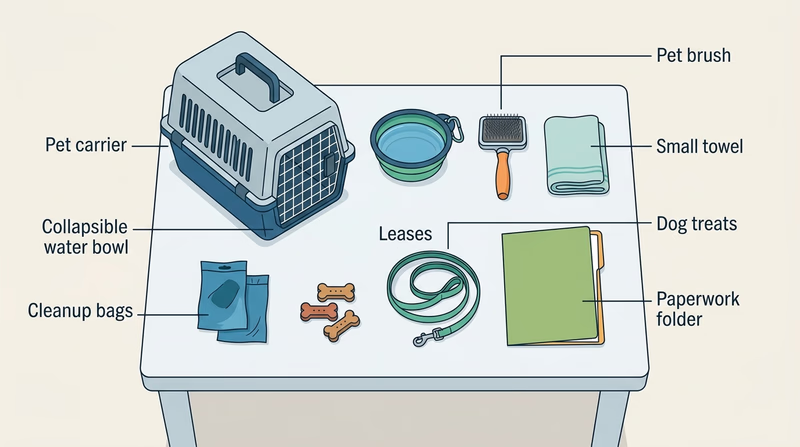
Build your plan a week or two in advance- Health check: Make sure your pet is acting normally and is safe to attend.
- Handling practice: Get your pet used to being touched, lifted, brushed, or placed where appropriate.
- Travel readiness: Practice short car rides or carrier time if travel will be involved.
- Supplies: Pack food, water, cleanup supplies, grooming items, paperwork, and anything the event requires.
- Event rules: Confirm check-in time, class rules, vaccination requirements, and safety expectations.
If your pet becomes frightened easily, part of good care may be deciding not to continue with a particular event. Responsible handling comes before competition.
Practice the Human Part Too
You are part of the performance. A calm handler helps create a calm pet.
Before the show, practice:
- how you will carry or guide your pet
- how you will answer simple questions about its care
- how you will stay organized if the schedule changes
- how you will keep the pet safe while waiting
This is one reason Req 2 matters. The more clearly you understand your pet, the more confident you will sound when talking about it.
Learn the Event Culture
Some pet shows are highly formal. Others are friendly local events at fairs, clubs, or community centers. Ask what kind of atmosphere to expect. If possible, watch one before entering another one. Seeing a show in advance can teach you where people wait, how animals are called, and what makes a presentation look polished.
American Kennel Club An example of a national organization that runs pet events and publishes guidance about shows, sports, and responsible handling for dogs. Link: American Kennel Club — https://www.akc.orgAfter the Show, Reflect
Your counselor may ask what happened, how your pet handled the event, and what you learned from the experience. Be ready to talk about both successes and challenges.
Maybe your pet stayed calm in the ring but disliked the carrier. Maybe grooming took longer than expected. Maybe you realized that preparation matters more than last-minute effort. Those are all good lessons.
If public events are not the right fit for your pet, the next option shows another way to build skill together through training.
Req 4b — Teach Tricks and Skills
Teaching a trick is really teaching communication. Your pet does not understand your goal at the start. It learns by repetition, timing, reward, and trust. When training goes well, you can almost see the moment when the animal connects the action to the reward.
Pick Behaviors That Fit Your Pet
The best tricks are safe, realistic, and suited to the species. A dog might learn sit, spin, fetch, or roll over. A cat might learn target touch, sit on cue, or jump to a stool. A bird might step onto a hand, turn around, or retrieve a small object. A rabbit might come when called or go through a short obstacle course.
The requirement says “tricks or special abilities,” which gives you room to think broadly. A special ability might include calmly entering a carrier, stationing on a mat, responding to a target, or tolerating a grooming routine without a struggle. Useful behaviors count too.
Use Short, Clear Training Sessions
Most pets learn better in short sessions than in one long drill. Five focused minutes can beat 25 distracted ones.
A basic training cycle looks like this:
Simple Training Cycle
Repeat this pattern many times- Cue or setup: Ask for the behavior or create the situation where it can happen.
- Mark the success: Use a word, clicker, or immediate reward at the exact right moment.
- Reward: Give a treat, toy, praise, or another reward your pet values.
- Reset: Return to the starting position and try again.
- End on a win: Stop while your pet is still engaged and successful.
Timing matters. If the reward comes too late, your pet may connect it with the wrong action.
Break Big Tricks Into Tiny Steps
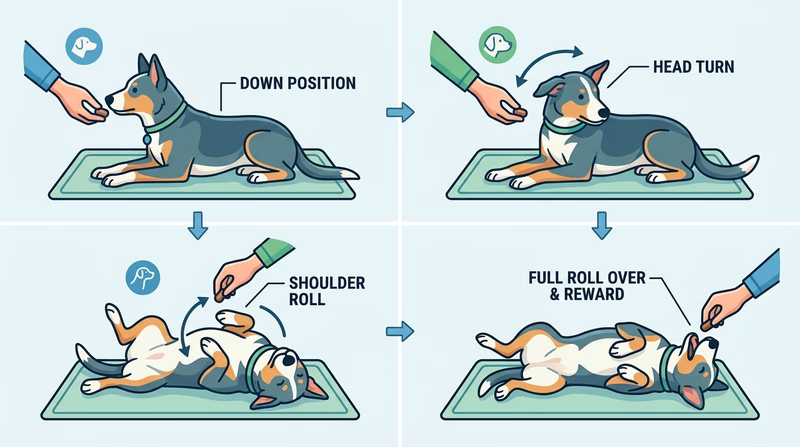
A finished trick may look smooth, but training usually happens in pieces. A roll over starts with lying down, then turning the head, then shifting the shoulders, then completing the movement. Fetch may begin with noticing a toy, then touching it, then picking it up, then carrying it back.
That is called shaping: rewarding closer and closer versions of the behavior you want.
Keep Records of Progress
Your counselor may want more than a final performance. Be ready to explain how you trained the behaviors and what changed over time.
Track things like:
- which tricks you chose
- what reward you used
- how long sessions lasted
- where your pet got stuck
- what helped the behavior improve
These notes connect well with the observation skills you already used in Req 1.
Learn From Demonstrations, Then Adapt
🎬 Video: Easiest Way to Teach Your Dog to Roll Over (video) — https://www.youtube.com/watch?v=IsJ0VdeOJcg
🎬 Video: Train Your Cat to Do Fun Tricks (video) — https://www.youtube.com/watch?v=oX7vgQTK9fo
🎬 Video: How I Trained My Cat to Fetch (video) — https://www.youtube.com/watch?v=zrDskEObBs8
These official videos show that different animals can learn in different ways. Watch how trainers reward small successes, repeat calmly, and avoid rushing. Use the ideas, but adjust them for your own pet’s size, attention span, motivation, and comfort level.
American Kennel Club — Trick Dog Examples of skill-building progressions and organized trick-training goals that can inspire safe, structured practice. Link: American Kennel Club — Trick Dog — https://www.akc.org/sports/trick-dog/What Success Looks Like
Your three tricks do not need to look like a movie performance. They should show clear effort, steady practice, and a real response from your pet. If the pet understands the behavior and can do it with reasonable consistency, you are on the right track.
A good counselor discussion includes the process, not just the result. Explain what worked, what did not, and how your pet taught you to be a better trainer.
Training can also point toward future jobs or hobbies. The next requirement asks whether you want to explore careers with pets or grow this interest into a healthy long-term pursuit.
Req 5 — Future Paths With Pets
This final requirement asks you to look beyond the badge itself. You must choose exactly one option: either explore a pet-related career or explore how pet knowledge could become a hobby or healthy lifestyle.
Your Options
- Req 5a — Explore Pet Careers: Research one real career in depth, including training, costs, duties, pay, and advancement. This option helps you practice career investigation and compare your interests with real job demands.
- Req 5b — Turn Pet Skills Into a Hobby: Explore how the knowledge from this badge could grow into a long-term hobby, volunteer role, or healthy routine. This option helps you think about goals, community, and personal growth.
How to Choose
Choosing Your Path
Pick the option that gives you the most meaningful next step- If you like job research: Choose 5a. You will gather facts, compare training paths, and think about a profession seriously.
- If you like lifestyle planning: Choose 5b. You will think about habits, costs, organizations, and how this interest could fit your real life.
- Time and access: Option 5a may work best if you can interview or visit a professional. Option 5b may work best if you already enjoy pet activities and want to deepen them.
- What you will gain: Option 5a builds career awareness and research skill. Option 5b builds long-term planning around hobbies, wellness, and community involvement.
Both paths ask for honest reflection. The goal is not to sound impressive. The goal is to show that you can think seriously about where pet knowledge might lead.
Req 5a — Explore Pet Careers
Working with pets can sound fun from the outside, but real animal-care careers combine compassion with science, communication, physical work, and responsibility. This requirement asks you to go past the dream version and look at the job as it really is.
Start With a Career List
Before researching one profession in depth, brainstorm several possibilities. Pet-related careers can include:
- veterinarian
- veterinary technician
- animal trainer
- groomer
- kennel manager
- pet sitter or dog walker
- shelter worker
- animal control officer
- boarding or daycare manager
- wildlife rehabilitator
Some of these roles require years of formal education. Others depend more on certifications, apprenticeships, hands-on experience, or business skills.
Research the Same Categories for Every Career
Your counselor will want to hear about more than job duties.
Career Research Questions
Use the same categories so you can compare careers fairly- Training and education: What schooling, licenses, or certifications are needed?
- Costs: What would tuition, tools, exams, or training programs cost?
- Job prospects: Is the field growing, competitive, local, or specialized?
- Salary: What is a typical pay range where you live or nationally?
- Job duties: What does the workday actually look like?
- Career advancement: How can someone gain responsibility, specialize, or move into leadership?
Look at the Human Side of Animal Work
Animal jobs are rarely only about animals. They also involve people. Veterinarians explain treatments to worried owners. Groomers handle scheduling and customer expectations. Trainers coach humans as much as pets. Shelter staff balance compassion with hard decisions and busy environments.
That means communication matters as much as animal knowledge in many careers.
Compare a Few Real Paths
Veterinarian
Veterinarians diagnose illness, perform procedures, prescribe treatments, and help owners make health decisions. This path usually requires the most formal education and the highest cost, but it also offers deep medical responsibility and many specialty areas.
Veterinary Technician
Veterinary technicians help with exams, lab work, anesthesia, imaging, and patient care. This role often requires a focused education program and credentialing, but usually less schooling than becoming a veterinarian.
Trainer or Behavior Professional
Trainers teach pets and owners how to communicate better. This path may involve certifications, workshops, apprenticeships, continuing education, and a strong reputation built through results.
Groomer
Groomers do more than improve appearance. They handle pets safely, notice skin or coat problems, and help owners keep animals healthy and comfortable. Training may happen through school, apprenticeship, or on-the-job mentoring.
American Kennel Club — Careers in Dogs A practical overview of personal qualities and work habits that matter across many animal-related careers. Link: American Kennel Club — Careers in Dogs — https://www.akc.org/public-education/resources/dog-related-career-skills/ American Veterinary Medical Association Professional information about veterinary careers, education, and animal-health work. Link: American Veterinary Medical Association — https://www.avma.orgWhat Makes Your Discussion Strong
A strong counselor discussion includes facts and reflection. You are not only reporting what the job pays or how long school lasts. You are also deciding whether the work matches your interests and strengths.
Good questions to answer out loud:
- What part of this job sounds exciting?
- What part sounds difficult or stressful?
- Would you enjoy the people side of the work too?
- Would the training cost and time feel worthwhile to you?
- Could you picture yourself doing this every day?
Even deciding that a career is not right for you is useful. Real research helps you learn what you value.
If you want a path that is less about one profession and more about everyday life with animals, the next option explores hobbies, routines, and healthy long-term goals.
Req 5b — Turn Pet Skills Into a Hobby
Not every interest has to become a job to matter. Sometimes the best outcome is a hobby that keeps you active, observant, responsible, and connected to a community. This requirement asks you to imagine what life with pets could look like as an ongoing positive part of who you are.
Think Beyond Basic Ownership
Pet-related hobbies and healthy lifestyle paths can include:
- regular dog walking or hiking
- agility, obedience, rally, or trick training
- aquarium keeping
- bird keeping and enrichment
- volunteering with a shelter or rescue
- fostering animals with adult support
- participating in pet clubs or shows
- therapy-animal preparation in the future
Some of these activities center on exercise. Others center on learning, service, or skill-building. Many combine all three.
Research the Practical Side
Even hobbies have requirements and costs.
Questions for a Long-Term Pet Hobby
Think like a planner, not just a fan- Training needed: Do you need classes, coaching, or beginner instruction?
- Expenses: What will equipment, entry fees, food, transport, or supplies cost?
- Time: Is this a daily activity, a weekly event, or a seasonal commitment?
- Organizations: Who runs events, offers support, or teaches safe standards?
- Lifestyle fit: Does this activity work with your home, schedule, budget, and pet’s temperament?
Set Short-Term and Long-Term Goals
This requirement becomes much stronger when you set goals in layers.
Short-Term Goals
These are goals you could begin soon, such as:
- teaching one new behavior each month
- improving leash walking
- attending a local class
- volunteering with an animal organization with adult support
- building a better habitat setup
Long-Term Goals
These are goals that take more time, such as:
- joining a club or training program
- competing in a beginner event
- becoming a regular shelter volunteer
- building a long care journal for your pet
- preparing for therapy-animal work when you are older and your pet is ready
Remember That Healthy Lifestyle Can Mean Your Health Too
Pets often help people build better routines. Walking a dog gets you outside. Maintaining an aquarium teaches patience and consistency. Training sessions improve focus. Volunteering with animals builds empathy and service habits.
That means this option is not just about what you do for a pet. It is also about how the relationship can shape you.
Pet Partners An example of an organization connected to therapy-animal work, training standards, and the human-animal bond in service settings. Link: Pet Partners — https://petpartners.org ASPCA Resources on adoption, welfare, behavior, and responsible care that can help you find meaningful long-term ways to stay involved with animals. Link: ASPCA — https://www.aspca.orgBe Honest About Fit
A healthy lifestyle path should be good for both you and the pet. If your animal dislikes crowds, competitive events may not be the best direction. If you do not have time for a high-maintenance hobby, choose a simpler one you can actually sustain.
Your counselor conversation should sound thoughtful and realistic. Explain what attracts you, what support you would need, and what first step you could take.
You have reached the end of the requirements. The extended learning page will show you how to keep growing long after the badge itself is complete.
Extended Learning
Congratulations
You just finished a badge about daily responsibility, close observation, and learning to care for another living creature well. Those are not small skills. They matter at home, in service, and in any future work that depends on trust and consistency.
How Enrichment Changes Pet Behavior
Food, water, and shelter keep a pet alive. Enrichment helps a pet live well. Enrichment means giving an animal safe ways to use normal behaviors such as chewing, climbing, digging, hiding, exploring, foraging, or solving simple problems.
A bored pet may pace, overgroom, bark constantly, chew destructively, or shut down. A well-enriched pet is often calmer and healthier because its brain has something useful to do. If you want to go deeper after this badge, study enrichment for your species and try small improvements one at a time.
Why Behavior Is Communication
Pets are always telling you something, even when they are silent. A tucked tail, flattened ears, puffed feathers, hiding, pacing, refusing food, or unusual stillness can all mean something important. Learning body language helps you prevent stress before it becomes a bigger problem.
This is one reason skilled owners seem “good with animals.” Usually they are not guessing. They are watching carefully and responding early.
Service Through Animal Care
Pet knowledge can become a form of service. Shelters need volunteers. Community groups need foster homes, donation drives, and supply organizers. Neighbors sometimes need help with dog walking, pet sitting, or temporary care during emergencies. If you build a reputation for being responsible, your skills can help both animals and people.
The Human-Animal Bond
Pets are not just hobbies with fur, feathers, or scales. For many people, they provide routine, comfort, motivation, and companionship. That bond can be powerful, but it works best when people remember that affection does not replace proper care. Love should make you more willing to learn what an animal needs.
Real-World Experiences
Visit a Veterinary Clinic Open House
Volunteer at an Animal Shelter or Rescue Event
Attend a Training Class or Pet Club Meeting
Tour a Responsible Pet Supply or Feed Store
Organizations
Provides education about pet care, behavior, adoption, safety, and animal welfare issues across many common household pets.
Organization: ASPCA — https://www.aspca.org
A professional association with veterinarian-reviewed information about pet health, animal welfare, and veterinary careers.
Organization: American Veterinary Medical Association — https://www.avma.org
Offers resources on training, events, sports, breeds, and responsible dog ownership that can support show or trick-training interests.
Organization: American Kennel Club — https://www.akc.org
Shows one path for people interested in the human-animal bond, therapy-animal work, and standards for animal-handler teams in community settings.
Organization: Pet Partners — https://petpartners.org
Public-health guidance about preventing illness around animals and building safe habits when handling pets and cleaning their environments.
Organization: CDC Healthy Pets, Healthy People — https://www.cdc.gov/healthypets/
Now that you have completed the guide, the printable companion is ready if you want one page you can review offline or bring to a meeting with your counselor.