Req 1 — Four Months of Care
A pet does not care whether you meant to feed it, clean its habitat, refill its water, or notice a health problem. It needs those things done every day. This requirement is really about proving that you can be dependable over time, not just enthusiastic for a weekend.
What Counts as Evidence?
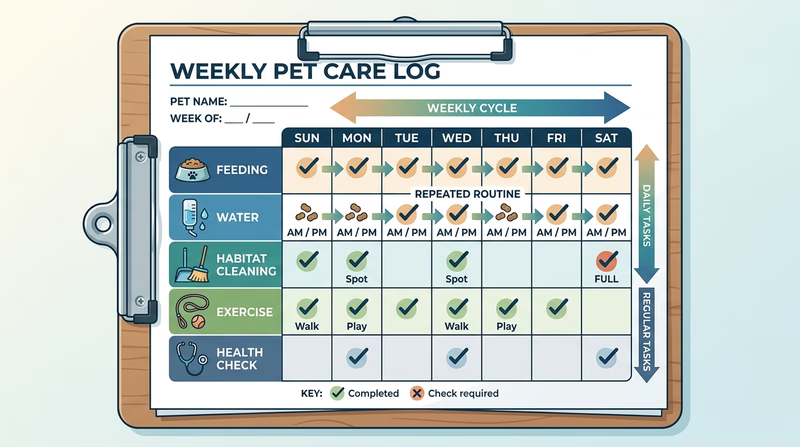
Your counselor wants to see a record that shows real care over four months. Evidence can include a written log, a calendar, a notebook, a spreadsheet, photos with dates, receipts for supplies, or a combination of those. The strongest evidence is simple, consistent, and specific.
A good log usually tracks things like:
What to Track
Pick the items that fit your type of pet
- Daily food and water: What you gave, how much, and whether anything changed.
- Habitat care: Cage cleaning, litter changes, tank maintenance, bedding changes, or yard cleanup.
- Exercise and enrichment: Walks, play sessions, training, social time, or supervised exploration.
- Health observations: Appetite, weight changes, shedding, stool, energy level, coat condition, or anything unusual.
- Appointments and supplies: Vet visits, nail trims, medicine, filter changes, new bedding, or food purchases.
If your pet is part of a family routine, make sure you can show which part of the care was yours. This is one reason the counselor approval matters before you begin.
Build a Routine You Can Actually Keep
The easiest way to succeed is to attach pet care to parts of your normal day. Morning feeding might happen before school. Evening playtime might happen after homework. Tank checks might happen right after dinner. If you build the job into your schedule, you are much less likely to forget.
Think about your pet’s needs in three layers:
Basic Needs
These are the nonnegotiables: fresh water, proper food, a safe place to live, clean conditions, and the right temperature or environment. Missing these can harm your pet quickly.
Health Needs
These include grooming, checking for signs of illness, cleaning bowls, monitoring waste, and getting help when something looks wrong. Many pets do not show obvious pain, so small changes matter.
Quality-of-Life Needs
A well-cared-for pet needs more than survival. It may need exercise, mental stimulation, hiding places, climbing space, chew toys, social time, or quiet time. A bored pet can become stressed, destructive, withdrawn, or unhealthy.
Watch for Patterns, Not Just Tasks
The best pet owners do more than complete chores. They notice patterns. Does your dog drink less on cool days? Does your hamster become more active at night? Does your lizard bask longer after a habitat adjustment? Does your rabbit stop finishing its food when stressed?
Those patterns help you catch trouble early. They also give you strong material for Req 2, where you will explain care, feeding, and housing in detail.
Use the Official Video as a Model
The official resource below shows one way to think about an activity log. Your own log does not have to look exactly the same, but it should show the same kind of steady documentation.
🎬 Video: Create an Activity Log (video) — https://www.youtube.com/watch?v=uh8tDZj9I_A
What Makes a Counselor Conversation Go Well
When you meet with your counselor, do not just drop a stack of notes on the table. Be ready to explain what the record shows.
Talk about:
- which tasks happened every day or every week
- what was hardest to stay consistent about
- what you learned about your pet’s routine
- any changes you made because your pet’s needs became clearer
That last point matters. Good pet care is not mindless repetition. It is learning, adjusting, and paying attention.
Now that you have documented daily care, the next step is explaining why that care matters and how your pet’s needs fit together.