Req 4a — Step Into a Pet Show
A pet show is not just “take your animal somewhere and hope for the best.” It is a test of preparation. The show environment may be noisy, bright, crowded, and full of unfamiliar smells. Your goal is to present a healthy, well-handled pet that looks comfortable and cared for.
What a Pet Show Usually Evaluates
Different species and organizations do this differently, but most shows pay attention to some combination of:
- cleanliness and grooming
- condition and health
- how well the pet is handled
- the pet’s calmness and responsiveness
- how well the owner follows rules and presents the animal
Some events focus on breed standards. Others focus more on care, showmanship, agility, or novelty classes. Make sure you understand the type of show you are entering.
🎬 Video: Cat Agility Course at Cat Fanciers Cat Show (video) — https://www.youtube.com/watch?v=QABTG6FldFE
The official video shows that pet events can involve much more than standing still in a ring. Watch how handlers guide the animal, manage distractions, and keep the experience positive.
Prepare Your Pet Before Show Day
Good show preparation starts well before the event.
Pre-Show Preparation
Build your plan a week or two in advance
- Health check: Make sure your pet is acting normally and is safe to attend.
- Handling practice: Get your pet used to being touched, lifted, brushed, or placed where appropriate.
- Travel readiness: Practice short car rides or carrier time if travel will be involved.
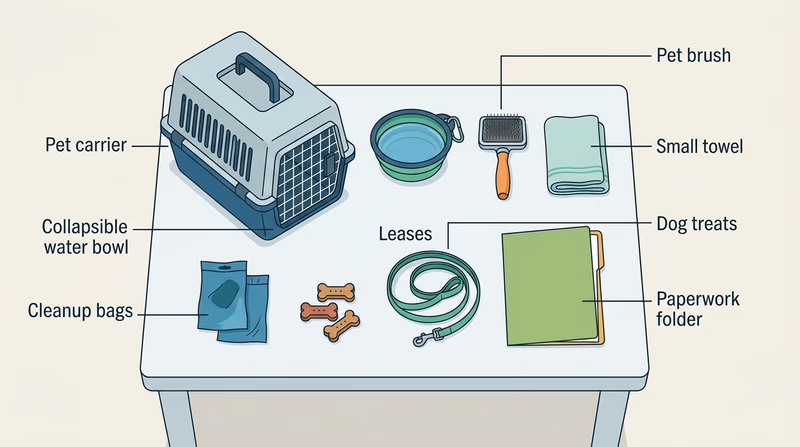
- Supplies: Pack food, water, cleanup supplies, grooming items, paperwork, and anything the event requires.
- Event rules: Confirm check-in time, class rules, vaccination requirements, and safety expectations.
If your pet becomes frightened easily, part of good care may be deciding not to continue with a particular event. Responsible handling comes before competition.
Practice the Human Part Too
You are part of the performance. A calm handler helps create a calm pet.
Before the show, practice:
- how you will carry or guide your pet
- how you will answer simple questions about its care
- how you will stay organized if the schedule changes
- how you will keep the pet safe while waiting
This is one reason Req 2 matters. The more clearly you understand your pet, the more confident you will sound when talking about it.
Learn the Event Culture
Some pet shows are highly formal. Others are friendly local events at fairs, clubs, or community centers. Ask what kind of atmosphere to expect. If possible, watch one before entering another one. Seeing a show in advance can teach you where people wait, how animals are called, and what makes a presentation look polished.
American Kennel Club An example of a national organization that runs pet events and publishes guidance about shows, sports, and responsible handling for dogs. Link: American Kennel Club — https://www.akc.orgAfter the Show, Reflect
Your counselor may ask what happened, how your pet handled the event, and what you learned from the experience. Be ready to talk about both successes and challenges.
Maybe your pet stayed calm in the ring but disliked the carrier. Maybe grooming took longer than expected. Maybe you realized that preparation matters more than last-minute effort. Those are all good lessons.
If public events are not the right fit for your pet, the next option shows another way to build skill together through training.