Req 1 — Safe Pioneering Basics
Before you pick up a spar or tension a line, you need a safety plan. This requirement covers two connected ideas: spotting the hazards around a pioneering project, and knowing how to prevent or treat the injuries that can happen if something goes wrong.
- Req 1a helps you recognize hazards before the build starts.
- Req 1b helps you respond to common injuries and environmental problems during the project.
Requirement 1a
A pioneering project can look calm right up until the moment something shifts, slips, or falls. That is why the best builders are always scanning the site. They think about the ground, the weather, the weight of the spars, the path of ropes under tension, and where people are standing.
Hazards to expect
The most common pioneering hazards are not mysterious. They are the predictable result of heavy poles, stretched rope, uneven ground, and distracted teamwork.
Hazards to Look For
Use this list before and during every build
- Falling or rolling spars: Poles can slip off supports or roll if they are laid on a slope.
- Tensioned rope: A rope under load can snap, whip, or pinch fingers.
- Unstable footing: Mud, loose gravel, roots, and gear on the ground can cause trips and falls.
- Poor lifting technique: Heavy or awkward lifts can strain backs, shoulders, and hands.
- Weak lashings or anchors: A structure that seems fine at first can loosen as weight shifts.
- Weather exposure: Heat, sun, cold, wind, and rain can make the job less safe fast.
- Tool misuse: Saws, mallets, and knives used around spars and rope need clear spacing and attention.
Four safety habits that prevent most problems
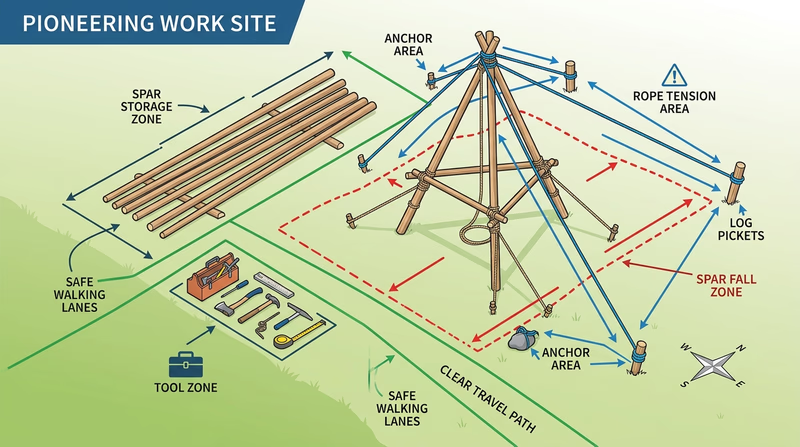
- Survey the site first. Pick level ground when possible. Clear branches, loose gear, and other trip hazards.
- Create a work zone. Keep people out of the swing radius of long spars and away from lines being tightened.
- Assign jobs clearly. One person gives lifting commands. One person checks alignment. Everyone else knows where to stand.
- Inspect as you go. Tight lashings can loosen. Anchors can creep. Poles can settle. Stop and re-check often.
The official Safe Pioneering video is worth watching before your first large build because it shows the mindset your counselor wants to hear: slow, organized, and alert.
🎬 Video: Safe Pioneering (video) — https://youtu.be/hWDLLkUPFCI?si=8JSQve7lVV65fKp9
Requirement 1b
Most pioneering injuries start small. A dry rope can leave splinters. A quick grab on a moving line can burn your palm. A hot workday can turn into dehydration before anyone notices. Your counselor wants you to know both halves of first aid: how to prevent the problem, and what to do right away if it happens.
Rope splinters and rope burns
Natural-fiber rope can leave tiny splinters. Fast-moving rope can scrape or burn skin.
- Prevent it: Wear work gloves when appropriate, keep ropes clean and dry, and never let rope slide through bare hands under load.
- Treat it: Remove small splinters carefully with clean tweezers. For rope burns, cool the area with clean water, cover it loosely, and watch for deeper damage.
Cuts, scratches, and falls
Spars, tools, and rough ground can all cause minor wounds. Falls are more serious because they can involve head, neck, or back injuries.
- Prevent it: Keep the site tidy, carry spars with enough helpers, and avoid horseplay around builds.
- Treat it: Clean minor cuts and scratches, apply pressure if bleeding, and cover with a clean bandage. After a fall, do not rush to move the person if you suspect a head, neck, or back injury. Get adult help immediately.
Insect bites, stings, and weather injuries
Outdoor builds often last long enough for heat, cold, and sun exposure to matter.
- Prevent it: Use insect repellent, drink water before you feel thirsty, take shade breaks, wear layers in cold weather, and use sunscreen.
- Treat it: Remove a stinger if present, wash bites or stings, cool sunburned skin, warm a chilled person gradually, and move anyone with heat illness out of the sun right away.
Red Flags That Need Adult Help Fast
Do not try to handle these alone
- Heatstroke signs: Confusion, hot skin, fainting, seizure, or loss of consciousness.
- Severe dehydration: Dizziness, very dark urine, or inability to keep fluids down.
- Allergic reaction: Trouble breathing, swelling of the face or throat, widespread hives.
- Possible broken bone or spine injury: Severe pain, deformity, numbness, or inability to move normally.
- Heavy bleeding: Bleeding that does not stop with firm direct pressure.
The official safety checklist is useful because it turns general safety ideas into a pre-build review you can use with your patrol.
Pioneering Safety Checklist (PDF) Use this checklist to review site setup, lifting, tools, and structural safety before you start building. Link: Pioneering Safety Checklist (PDF) — https://filestore.scouting.org/filestore/Merit_Badge_ReqandRes/Requirement%20Resources/Pioneering/Pioneering_Safety_Checklist.pdfUse this short sunburn video as a reminder that even a cloudy day on an open field can do damage while you are focused on the project.
🎬 Video: Sunburn (video) — https://www.youtube.com/watch?v=DCNUwuNTtGg
If rope burns come up during counselor discussion, this first-aid reference gives a clear review of cleaning and protecting the injury.
First Aid for Rope Burns (website) Review the basic first-aid steps for treating rope burns and knowing when the injury needs more care. Link: First Aid for Rope Burns (website) — https://www.firstaidforfree.com/first-aid-for-rope-burn/In Req 2, you will learn the rope skills that make builds stronger and safer from the start.