 Getting Started
Introduction & Overview
Turn on a faucet and clean water appears. Flush a toilet and waste disappears. Most people never think about the pipes, vents, valves, and fittings that make that happen until something leaks, clogs, or stops working. Plumbing is the hidden system that keeps homes healthy, safe, and comfortable every single day.
The Plumbing merit badge gives you a look behind the walls. You will learn how water gets into a house, how wastewater leaves, how plumbers use specialized tools, and why good plumbing protects families from contamination, water damage, and disease. This badge mixes science, skilled trades, and hands-on problem solving.
Then and Now
Then
For most of human history, plumbing was simple and often unsafe. People hauled water by hand from wells, springs, or public pumps. Waste sometimes drained into open ditches, pits, or nearby waterways. Cities that grew quickly often suffered outbreaks of diseases such as cholera and typhoid because clean water and sewage were too close together.
Ancient civilizations did build impressive plumbing. The Romans used aqueducts, lead and clay pipes, public baths, and sewers. But even advanced systems were uneven, expensive, and not available to everyone. Modern plumbing only became widespread when cities began investing in safer water treatment, better sewer systems, and plumbing codes that required cleaner, more reliable installations.
Now
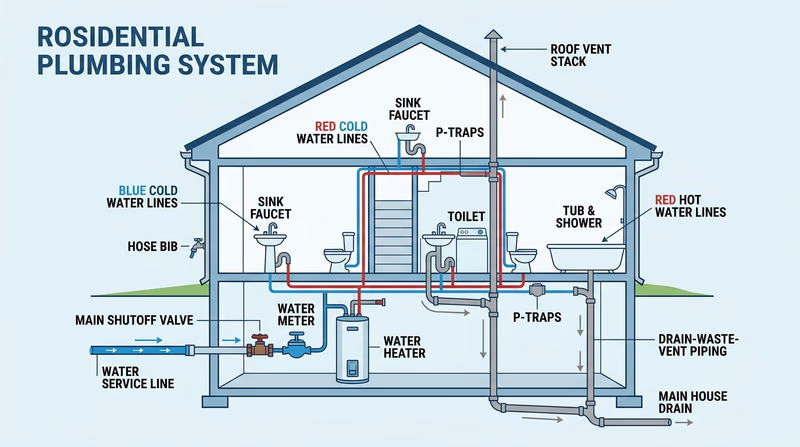
Today, plumbing is a health system as much as a convenience system. Water treatment plants clean drinking water before it reaches your home. Inside the house, pipes, shutoff valves, traps, vents, and fixtures work together to deliver water where you need it and carry waste away without letting sewer gases back in.
Modern plumbers also think about efficiency and sustainability. Low-flow fixtures, leak detection, insulated piping, and better materials help save water, reduce energy use, and prevent costly repairs. A well-designed plumbing system is easy to overlook because it quietly does its job every day.
Get Ready!
You do not need to become a licensed plumber to enjoy this badge. Bring curiosity, patience, and a willingness to look closely at how everyday systems work. By the end, you will notice plumbing details in homes, stores, and public buildings that most people walk past without ever seeing.
Kinds of Plumbing
Plumbing is not just one thing. Most building systems combine several different kinds of work.
Water Supply Plumbing
This part of the system brings clean water into a building and sends it to sinks, showers, toilets, dishwashers, water heaters, and outdoor spigots. Water supply lines have to hold pressure, resist leaks, and use safe materials that will not contaminate the water.
Drain, Waste, and Vent Plumbing
Drain, waste, and vent piping is often shortened to DWV. These pipes do not work under pressure like supply lines. Instead, they rely on gravity, proper slope, and venting to carry wastewater away while keeping sewer gases out of the living space.
Fixture and Appliance Plumbing
Fixtures are the parts people actually use: faucets, toilets, sinks, tubs, showers, water fountains, and more. Appliances such as water heaters, washing machines, and dishwashers also connect to the plumbing system. Good fixture work means safe connections, easy maintenance, and reliable shutoff points.
Service and Repair Plumbing
This is the problem-solving side of the trade. Service plumbers clear clogs, replace traps, repair leaks, install new fixtures, diagnose low water pressure, and track down hidden problems. They need both tool skills and detective skills.
Green Plumbing
Modern plumbers also help conserve water and energy. They install efficient fixtures, improve hot-water delivery, reduce leaks, and help homeowners choose materials and layouts that waste less water. Plumbing is one of the trades that directly affects both public health and environmental stewardship.
Now that you know why plumbing matters, start with the basics: how good plumbing protects people, what the rules are, and how to stay safe while doing repairs.