Req 5 — Common Pipe Materials
Not every plumbing job uses the same material. A pipe that works well for pressurized drinking water may be a poor choice for a drain line. A pipe that handles heat well may cost more or require more skill to install. Plumbers choose materials based on pressure, temperature, durability, corrosion resistance, local code, and cost.
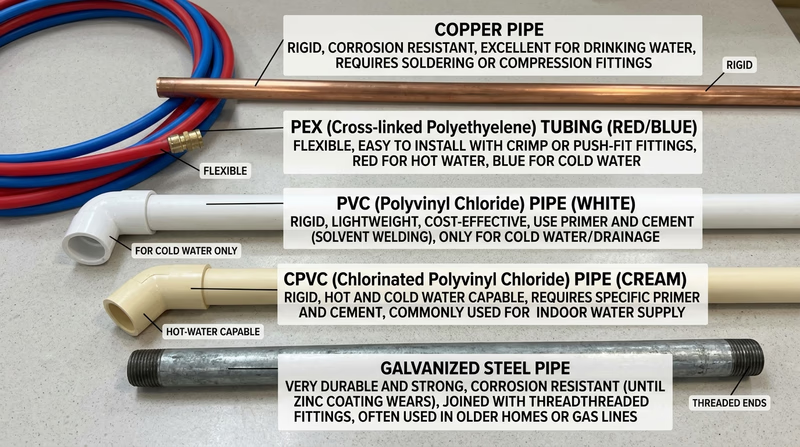
The most common residential pipe materials today include copper, PEX, PVC, CPVC, and in some cases steel or ABS depending on the system and local practices.
Copper
Copper has been used for decades in water supply systems. It handles heat well, lasts a long time when installed correctly, and resists many kinds of damage. It is often used where durability matters and where plumbers want a rigid, time-tested material.
Why it is used: Reliable, durable, good for hot and cold water, and widely accepted by code.
PEX
PEX is a flexible plastic tubing used mainly for water supply. Because it bends, it can often make long runs with fewer fittings than rigid pipe. That can speed installation and reduce leak points.
Why it is used: Flexible, quick to install, good for retrofits, and resists freeze damage better than rigid pipe because it can expand somewhat.
PVC
PVC is common for cold-water applications and many drain, waste, and vent systems. It is lightweight and easy to cut and join with solvent cement.
Why it is used: Affordable, lightweight, corrosion-resistant, and common for drainage and some non-hot-water uses.
CPVC
CPVC is similar to PVC but is rated for hotter water temperatures, which makes it suitable for some hot- and cold-water supply uses.
Why it is used: Handles hot water better than standard PVC and is lighter than metal piping.
Steel or Galvanized Steel
Older homes may still have galvanized steel supply lines. Black steel is also used in some non-water applications such as gas piping, depending on the system and local code. Steel is strong, but it is heavier and can corrode over time.
Why it is used: Strength and durability, especially in older systems or specialty applications.
🎬 Video: Four Types of Pipes Explained! (video) — https://youtu.be/OJkj4T9_X9I?si=b2eBR2WGlANFrxyF
How Plumbers Choose a Pipe Material
Think about the job, not just the pipe
- Hot or cold water? Some materials handle heat better than others.
- Supply or drain? Pressure supply lines and gravity drain lines have different needs.
- New work or repair? Flexible materials may help in tight retrofit spaces.
- Indoor or exposed to weather? Sunlight, freezing temperatures, and impacts matter.
- What does local code allow? The best answer in one town may not be allowed in another.
You now know the vocabulary and materials. Next comes the most hands-on part of the badge: choosing four supervised plumbing tasks to complete.