Req 1 — Studio Safety
A pottery studio can feel calm and creative, but it includes the same kind of hazards you would find in a shop class: airborne dust, sharp tools, spinning machinery, heavy shelves, and extreme heat. Safe potters pay attention before they begin, not after something goes wrong.
The Biggest Hazards to Respect
Clay Dust and Silica
The most important safety habit in pottery is controlling dust. Dry clay, glaze ingredients, and sweeping can send tiny particles into the air. Some of that dust contains silica, which is dangerous to breathe over time.
That is why potters clean with a damp sponge or wet mop instead of dry sweeping. It is also why bags of dry materials should be opened carefully and mixed only with good ventilation and adult supervision.
Sharp Tools
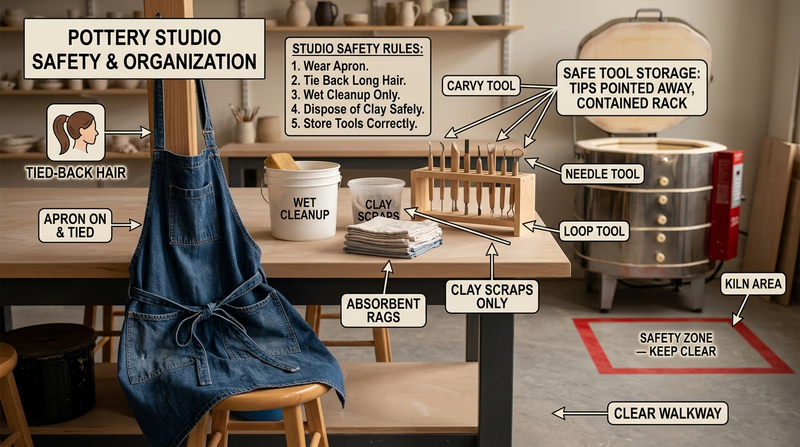
Needle tools, trimming tools, fettling knives, wire cutters, and carving tools are useful because they cut cleanly. They can also cut skin just as easily. Keep blades pointed away from your body, pass tools handle-first, and store them where they cannot roll off the table.
Spinning Equipment
A wheel head can grab loose sleeves, hoodie strings, jewelry, or long hair. Before using a potter’s wheel, tie back long hair, roll up sleeves, and remove bracelets or dangling items. Sit in a stable position so you do not lean into the wheel while it is spinning.
Glazes and Other Materials
Some glaze ingredients are safe to use only when handled correctly. Never taste materials. Never assume a powder is harmless because it looks like flour or chalk. Read labels, keep containers closed, and wash your hands before eating or touching your face.
Kilns and Hot Ware
Kilns are never casual equipment. Even the outside of a kiln can be hot, and the inside can cause severe burns. Only load, unload, or operate a kiln with trained adult guidance. Use kiln shelves, posts, and tongs the right way, and stay clear of hot lids and peepholes.
Safe Studio Habits
Safe Habits Before You Start
A quick routine that prevents most pottery accidents
- Dress for the studio: Wear closed-toe shoes and clothes that can get dirty. Avoid loose sleeves and dangling jewelry.
- Set up your space: Keep your table clear enough that tools, water, and clay are easy to reach without knocking things over.
- Know your equipment: Ask what each tool does before using it. If you do not know, stop and ask.
- Clean as you go: Use a sponge, bucket, and wet cleanup methods so slip and clay scraps do not pile up.
- Wash up well: Wash hands after glazing, mixing materials, or cleaning the studio.
What Good Judgment Looks Like
A counselor is not just listening for a memorized list. They want to hear that you understand why each precaution matters.
For example:
- You tie back your hair because a wheel spins fast enough to catch it.
- You wet-clean the floor because dry sweeping spreads silica dust.
- You ask before glazing because not every surface is food-safe.
- You stay with an adult near a kiln because heat injuries happen fast.
Official Resource
🎬 Video: 6 Steps to a Safe Pottery Studio (video) — https://youtu.be/6kH2KWwFW4w?si=cUxiSFBWOp3k5yA0
Watch for the same themes you just studied: dust control, tool awareness, and clear kiln safety rules. Afterward, try explaining those rules in your own words instead of repeating them word-for-word.
Now that you know how to work safely, you are ready to talk about the material itself. Next comes the question every potter has to answer: what kind of clay body works best for the job?