Req 7a — Visit a Kiln Yard
A kiln yard is where pottery shifts from wet clay to finished ceramic. If you choose this option, your job is not just to walk around and say “that kiln looks big.” Your job is to notice what kind of heat each kiln uses, how the atmosphere changes the results, and why potters choose one firing style over another.
What to look for during the visit
Low-fire electric kilns
Electric kilns use heating elements powered by electricity. They are common in schools and community studios because they are relatively predictable and easier to control. Low-fire work often includes bright glaze colors and classroom-friendly production.
Gas or propane high-fire kilns
These kilns burn fuel and are often used for higher-temperature firings. Potters can adjust the kiln atmosphere, which affects glaze color and surface. They require more technical control and more safety awareness.
Wood or salt/soda kilns
Wood kilns create long, labor-intensive firings and can leave ash effects on the surface of pots. Salt and soda firings introduce vapor into the kiln atmosphere, which reacts with clay and glaze surfaces. These kilns are often chosen for distinctive, less predictable finishes.
Raku kilns
Raku firing is usually fast and dramatic. Pieces are often removed while still glowing hot and placed into combustible materials, creating smoky surface effects. Because of the heat and rapid handling, raku demands strict adult supervision and serious safety practices.
Questions worth asking
Good kiln-yard questions
Bring these so your visit becomes a real learning experience
- What fuel or power source does this kiln use?
- What temperature range does it usually fire to?
- What kinds of clay or glaze work best in it?
- How long does a firing take, including cooling?
- What makes this kiln different from the others here?
Official Resource
Types of Kilns (website) A comparison of kiln styles and fuel systems that can help you prepare smart questions before your visit. Link: Types of Kilns (website) — https://www.kilncontrol.com/blog/types-of-kilns/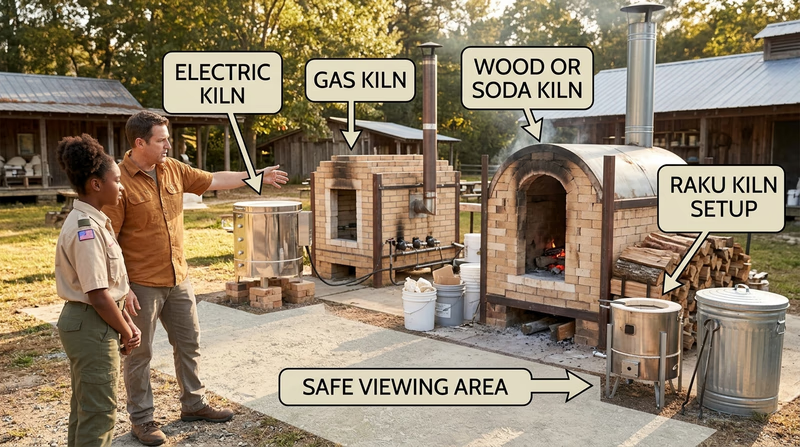
If you decide a kiln-yard visit is not the best fit, the next option shifts from firing equipment to pottery as art seen in person.