Req 6a — Research a Programming Career
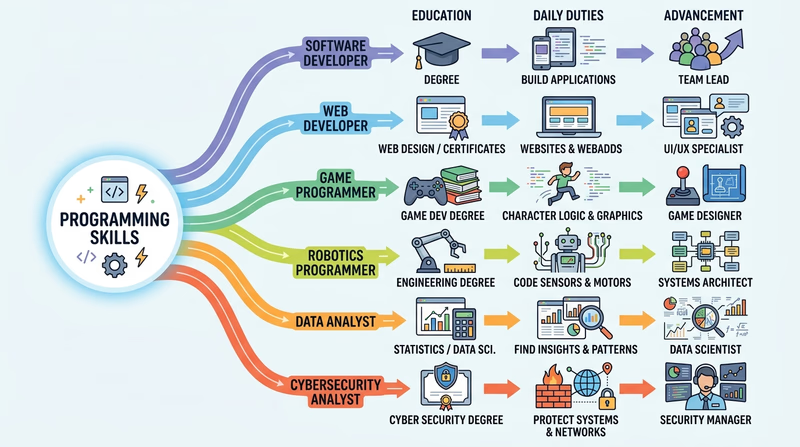
A programming career can mean far more than “someone who sits and types code all day.” Some professionals build apps, some test software, some automate factories, some protect systems, and some analyze huge amounts of data. This requirement asks you to zoom in on one path and understand what the real work looks like.
Good career choices to research
You might choose:
- software developer
- web developer
- game programmer
- mobile app developer
- data analyst or data scientist
- cybersecurity analyst
- embedded systems programmer
- robotics programmer
- quality assurance or test automation engineer
Pick a career that honestly interests you. It is easier to do strong research when you are curious about the answer.
What your counselor will want to hear
Your research should cover several areas clearly.
Training and education
Does the job usually require a college degree, certifications, a technical program, a boot camp, or a strong portfolio of projects? The answer may differ from one employer to another.
Costs
Training is never free. Think about tuition, tools, certification fees, travel, or the cost of building experience through classes and projects.
Job prospects
Are employers hiring for this role? Is the field growing, changing, or becoming more specialized? Good career research looks at where the job may be heading, not only where it has been.
Salary
Salaries can vary by location, skill level, and specialty. It is fine to report a range instead of a single number.
Job duties
What does a normal day actually include? Meetings, coding, testing, documenting, debugging, helping users, or working with a team?
Career advancement
What could come next after an entry-level role? Senior developer, technical lead, architect, project manager, product manager, or a specialist path?
Career research notes to gather
Bring evidence, not just guesses
- Name of the career
- What the job does day to day
- Education or training commonly expected
- Approximate salary or salary range
- Outlook or growth of the field
- What sounds interesting to you personally
If the professional path sounds interesting, notice why. Is it the teamwork, the pay, the creativity, the problem solving, or the chance to build something useful? That personal reflection is part of the requirement too.