 Getting Started
Introduction & Overview
Overview
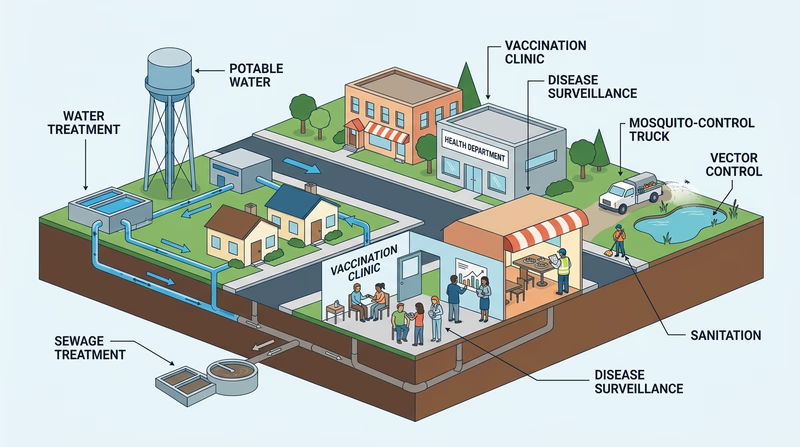
Public health is the science of helping whole communities stay healthy. It is the work behind clean drinking water, vaccination clinics, safe restaurants, mosquito control, disease tracking, and emergency response plans. Most of the time, you notice public health only when something goes wrong — but when it works well, fewer people get sick in the first place.
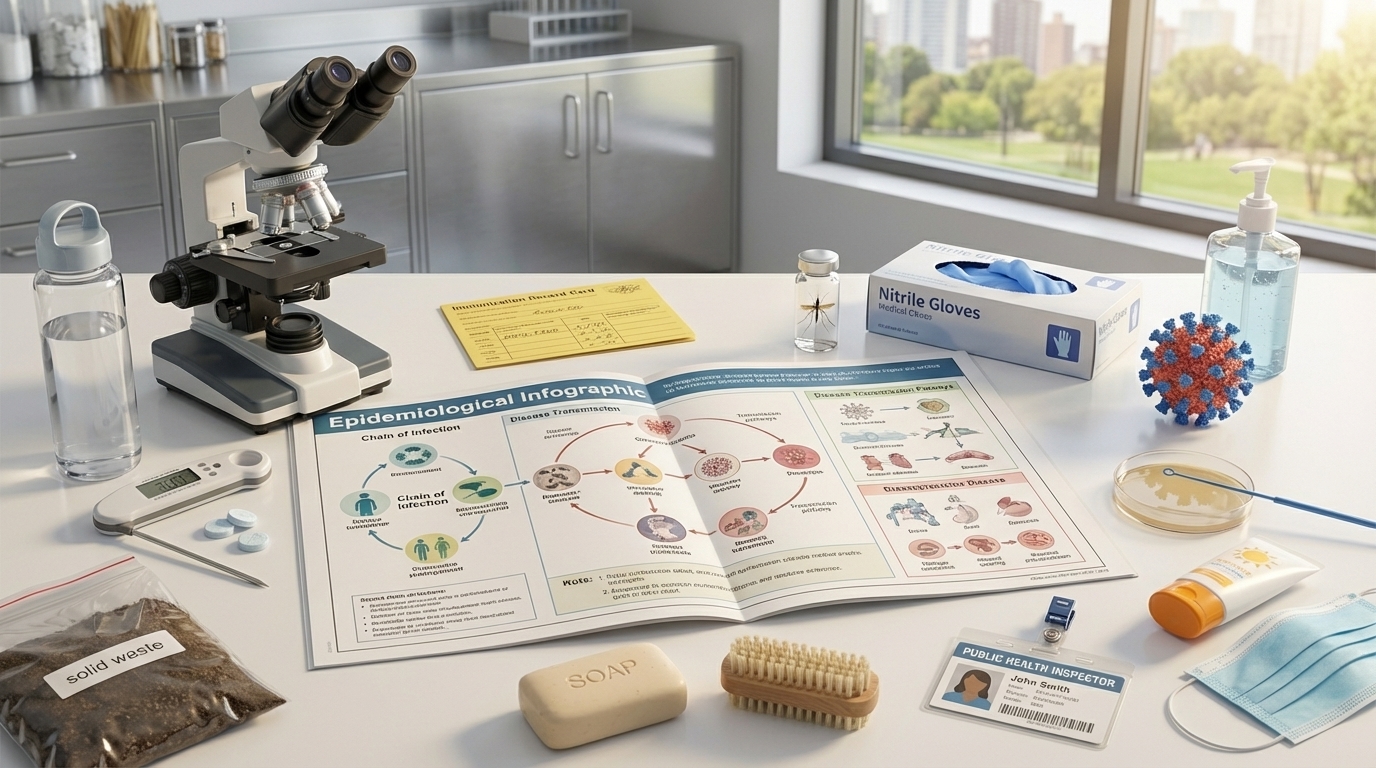
This badge shows you that health is bigger than one doctor’s office or one patient. Public health asks bigger questions: How do we stop disease from spreading? How do we make food and water safer? How do communities respond to disasters and outbreaks? As a Scout, you already practice many public health habits when you wash your hands, cook safely, treat water at camp, and help your unit stay prepared.
Then and Now
Then
Modern public health grew out of a simple observation: disease spreads through systems, not just through unlucky individuals. In the 1800s, cities were crowded, sewage often flowed into streets or rivers, and outbreaks of cholera, typhoid, and tuberculosis killed huge numbers of people. One of the most famous breakthroughs came in 1854, when Dr. John Snow mapped cholera cases in London and connected them to a contaminated water pump. He did not cure cholera with medicine. He helped stop it by changing the environment.
As cities learned more, they built sewers, inspected food, regulated waste disposal, and promoted hygiene. Pasteurization made milk safer. Mosquito control reduced diseases like yellow fever and malaria. Vaccines changed the story of diseases that once killed or disabled millions of children.
Now
Today, public health combines old-fashioned prevention with modern tools. Health agencies track outbreaks with lab testing and data systems. Water plants monitor contamination in real time. Epidemiologists study patterns of illness. Public information officers explain risks clearly during storms, heat waves, and disease outbreaks. Community programs focus on air quality, mental health, substance misuse, lead exposure, and other risks that affect daily life.
Public health still depends on basic habits — clean hands, safe food, good sanitation, vaccinations, and honest reporting when people get sick. The difference is scale. Instead of protecting one person at a time, public health aims to lower risk for everyone.
Get Ready!
This badge asks you to think like an investigator. You will compare diseases, study prevention, look at local systems, and see how public health decisions affect homes, camps, schools, and whole communities. Bring your curiosity — and pay attention to the hidden systems around you.
Kinds of Public Health
Infectious Disease Control
This part of public health focuses on germs and how they spread. It includes tracking outbreaks, finding sources of infection, promoting vaccination, and teaching people how to reduce exposure. Requirement 1 starts here because understanding transmission is the foundation for the rest of the badge.
Environmental Health
Air pollution, unsafe water, lead, noise, and poor waste disposal can harm people even when no virus or bacteria is involved. Environmental health professionals test, inspect, regulate, and educate so these hazards do less damage.
Food Safety
A meal can bring people together — or send a whole group home sick. Public health workers inspect kitchens, monitor outbreaks, and teach safe food handling so germs do not multiply and spread.
Emergency Preparedness
Public health agencies do much more than respond to disease. They help communities prepare for floods, tornadoes, wildfires, chemical spills, and other disasters. They plan shelters, sanitation, cleanup, communication, and recovery.
Community Health Education
A lot of prevention depends on people understanding risk. Public health workers teach families about vaccinations, safer homes, healthier habits, and where to get help. Good information is a public health tool.
Next Steps
You are about to start with the most important building block: how disease spreads, how prevention works, and why public health looks at patterns instead of isolated cases.