Req 3 — Safe Water and Clean Gear
A single bottle of stream water can look crystal clear and still carry bacteria, viruses, or parasites. At camp, water safety is public health in miniature: one bad source or one sloppy cleanup routine can turn a fun weekend into a campwide outbreak of stomach illness.
Why safe drinking water matters
Unsafe water spreads disease because it can carry germs from human waste, animal waste, dirty containers, or contaminated ground. When people drink that water, use it to wash dishes, or mix it into food, the germs get a new path into the body.
That is why public health puts so much effort into treatment plants, sewer systems, testing, and education. In the backcountry, you become the treatment system. You are the last barrier between a water source and your body.
Two ways to make water safe at camp
You need to demonstrate two methods, so it helps to understand the strengths of each.
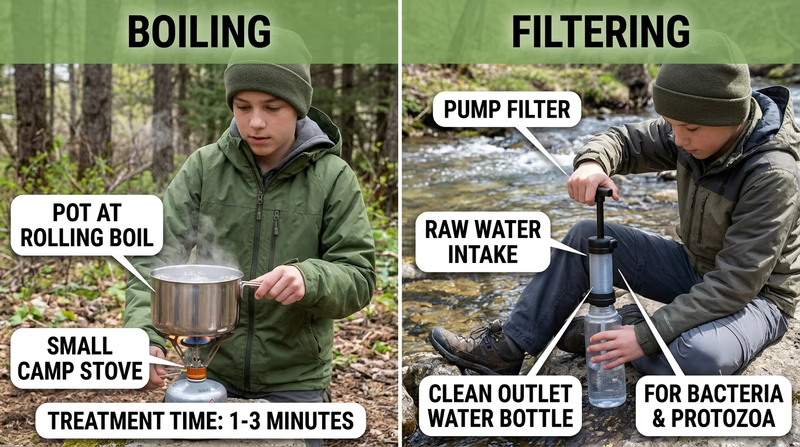
Boiling
Boiling is one of the most dependable field methods. Bring water to a rolling boil, then follow current backcountry guidance for how long to keep it there, especially if you are at high elevation. Boiling kills disease-causing organisms through heat.
Best for: uncertain water sources, cold-weather trips, and situations where you can use a stove or fire safely.
Filtration or purification treatment
Portable filters remove many harmful organisms, while chemical treatments or purifier systems work by killing or inactivating them. Some tools do one job better than the other, so Scouts should know what their device is designed to handle.
Best for: lighter packs, faster processing, and situations where fuel is limited.
What to show in your demonstration
Make your counselor discussion practical
- Source choice: Start with the cleanest water you can find.
- Method steps: Explain each step in the correct order.
- Limitations: Say what your method does well and what it may not handle.
- Storage: Keep treated water in a clean container so it does not get re-contaminated.
Washing dishes and utensils safely
Clean dishes are part of disease prevention. If plates, pots, cups, or utensils stay greasy, damp, or dirty, germs can keep growing and spread to the next meal.
At home, dishwashers and hot running water do much of the work. At camp, you need a system.
A simple camp dishwashing flow
- Scrape food scraps first. Less food left on dishes means less organic material for germs.
- Wash in hot, soapy water. This removes grease and visible dirt.
- Rinse in clean water. Soap left behind is unpleasant and can interfere with sanitation steps.
- Sanitize when appropriate. Follow the guidance your unit and counselor use for camp sanitation.
- Air-dry completely. Towels can spread contamination if they are dirty. Air-drying is usually safer than wiping everything dry with the same cloth.
Keeping gear sanitary
Store dry dishes off the ground and protected from insects, dirt, and splash. Do not stack wet cups inside each other. At home or camp, moisture plus leftover food is an invitation for microbial growth.
🎬 Video: How to Filter Water in the Backcountry || REI — REI — https://www.youtube.com/watch?v=Kb_6eXF8kVE
You have now looked at disease prevention through sanitation. Next comes another big public health strategy: controlling the animals that carry disease from place to place.