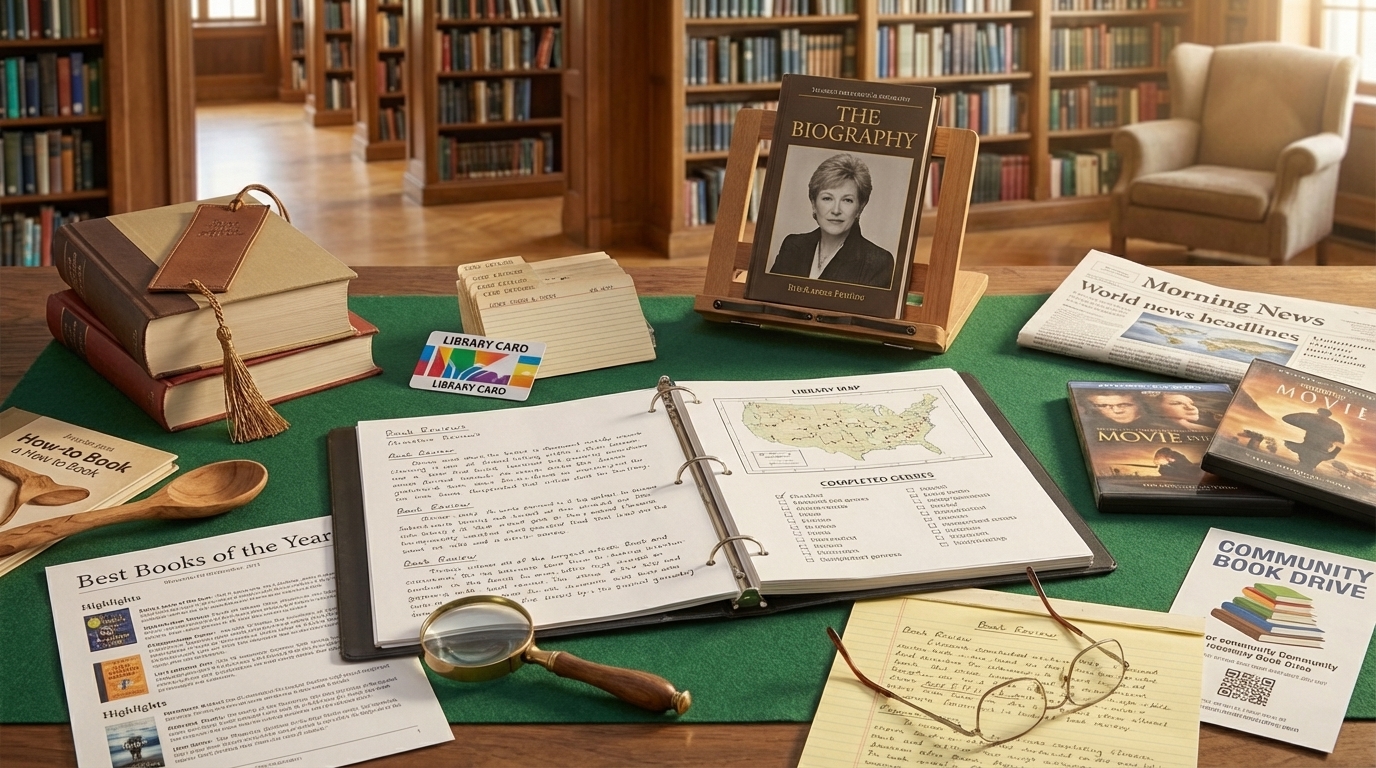
 Getting Started
Introduction & Overview
Reading is one of the most useful skills you will ever build. It helps you learn new things, understand other people, follow directions, solve problems, and enjoy stories that can stay with you for years. The Reading merit badge is not about racing through pages. It is about learning how to choose, use, discuss, and share what you read.
A strong reader can walk into a library and find the right book, compare ideas from different sources, and explain what a book meant to them. Those same skills help Scouts in school, in leadership, and later in careers. This badge turns reading from “something you have to do” into a tool you can use on purpose.
Then and Now
Then — Stories Carried by Voice and Print
For most of human history, stories and knowledge traveled by memory, not by app. Elders told histories out loud. Scribes copied books by hand. When printing presses spread across Europe in the 1400s, books became easier to make and easier to share. Libraries grew, newspapers appeared, and ordinary people gained access to ideas that had once been locked away in a few private collections.
Reading changed lives because it changed access. A Scout in one place could learn about science from another place. A reader could meet people from another time. Printed words let knowledge travel farther than a single voice could reach.
Now — Reading in a World of Screens and Choices
Today, reading happens on paper, phones, tablets, signs, manuals, news sites, and library databases. You can borrow an ebook in seconds, compare book reviews, or read an article from across the world before breakfast. That makes reading more available than ever — but it also means you need better judgment.
Modern readers do more than decode words. They choose reliable sources, notice bias, compare formats, and think about audience. Deep reading still matters because it builds focus, empathy, and critical thinking in a world full of distractions.
Get Ready!
This badge will send you into a library, into different genres, and into conversations about what you read. You will practice noticing what works, what does not, and why. Come curious — and be ready to try books and reading projects you might not have chosen on your own.
Kinds of Reading
Reading for Story
Fiction, fantasy, mystery, and historical novels let you step into another person’s decisions and problems. Story reading builds imagination and empathy because you are following motivations, consequences, and emotions from the inside.
Reading for Information
Nonfiction books, magazines, manuals, and articles help you understand how the real world works. This kind of reading teaches you how to gather facts, compare sources, and learn new skills — which becomes especially important in Req 4 and Req 5.
Reading for Expression
Poetry, speeches, and essays show how much power can fit into a few carefully chosen words. These forms are often shorter than novels, but they demand attention to tone, rhythm, and meaning.
Reading for Direction
Recipes, instructions, maps, rules, and handbooks may not feel like “fun reading,” but they are some of the most practical reading you will ever do. When you tie a knot, build a project, or follow a trail guide, reading becomes action.
Reading for Citizenship
News stories, issue explainers, and history sources help you understand the world around you. Good readers learn to ask: Who wrote this? What evidence is included? What might be missing? Those questions turn reading into good judgment.
Ready to build the most practical reading skill of all — finding the right information when you need it? Start in the library.