Req 7 — Venomous Species and Bite Response
This requirement is about recognition and response, not fear. The safest Scout is the one who can identify the main venomous species in the United States, respect their space, and react correctly in an emergency.
The Main Venomous Reptiles in the United States
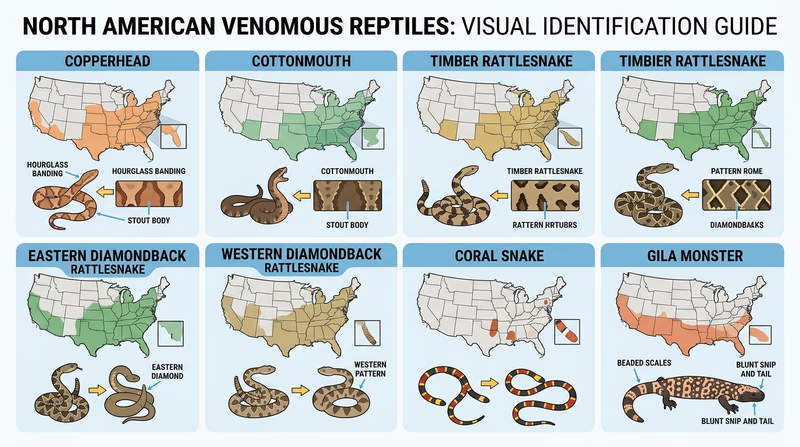
Most lists for this requirement include these six venomous snake groups or species plus the one venomous lizard:
- Copperhead
- Cottonmouth
- Timber rattlesnake
- Eastern diamondback rattlesnake
- Western diamondback rattlesnake
- Coral snake
- Gila monster
Your counselor may accept closely related regional species in place of one rattlesnake if that makes more sense for your part of the country.
Habits and Range
Pit vipers
Copperheads, cottonmouths, and rattlesnakes are pit vipers. They have heat-sensing pits between the eye and nostril, thick bodies, and hinged fangs. Many rely on camouflage and prefer to avoid conflict if left alone.
- Copperheads are common in wooded and rocky habitats in much of the eastern and central United States.
- Cottonmouths are associated with wetlands, swamps, slow water, and the Southeast.
- Rattlesnakes occupy a wide range of habitats, from forests to deserts, depending on the species.
Coral snakes
Coral snakes are slender, brightly banded, and belong to a different venomous group from pit vipers. In the United States they are found mainly in the Southeast and parts of the Southwest, depending on the species.
Gila monster
The Gila monster is the only widely recognized venomous lizard native to the United States. It lives in the Southwest, especially desert and scrub habitats, and is usually slow-moving and secretive.
🎬 Video: The Most VENOMOUS Snakes in the US (video) — https://youtu.be/guMzO7vzMT0?si=3thQ8FQdwoEHXV75
What to Notice Without Getting Close
A Scout should never try to prove bravery around a venomous animal. Instead, look for safe, visible clues:
- body shape and thickness
- head shape, if clearly seen
- color pattern or bands
- rattle, if present
- habitat and region
- behavior such as coiling, freezing, or warning display
What To Do If Someone Is Bitten
The correct response is simple and serious:
What Not To Do
Do not cut the wound, suck out venom, apply ice, use a tourniquet, or rely on old myths. Those actions waste time and can make the injury worse.
🎬 Video: How Snakes Move! (They Don't Just Slither!) (video) — https://www.youtube.com/watch?v=7-AKPFiIEEw
🎬 Video: How Do Snakes Move? (video) — https://www.youtube.com/watch?v=aPV0HpPRH2A