Req 1 — Workshop Safety
Robotics mixes electricity, moving parts, sharp tools, batteries, heat, and crowded workspaces. That means safety is not a side topic. It is part of every build, every test run, and every competition day.
This requirement covers two connected jobs:
- Spotting hazards before they hurt someone
- Knowing basic first aid for common robotics injuries
Requirement 1a:
A robotics workspace can look harmless right up until something spins, slips, sparks, or tips over. Good builders learn to scan the area before they start. Ask yourself three questions: What can move? What can get hot? What can cut, pinch, shock, or fall? That simple habit catches most problems early.
The hazards you are most likely to see
Pinch points and moving parts can grab fingers, hair, hoodie strings, or loose sleeves. Gears, chains, belts, wheels, arms, and linkages all create places where something can get pulled in fast.
Sharp edges and tools show up everywhere in robotics. Cut metal, plastic zip ties, hobby knives, drills, wire strippers, and broken parts can all cause cuts or punctures.
Electrical and battery hazards are common too. Reversed polarity, damaged wires, exposed terminals, short circuits, and overcharged batteries can heat up parts quickly. Rechargeable battery packs deserve special respect because they can deliver a lot of current in a very short time.
Heat hazards come from soldering irons, motors under load, resistors, batteries, glue guns, and friction in moving parts. Something does not have to glow red to burn you.
Flying debris can come from drilling, grinding, cutting, or a part that snaps loose during testing. Even a tiny chip can injure an eye.
Trip hazards appear when chargers, wires, tools, and parts spread across the floor. Competition pits get crowded fast, so neat workspaces matter.
Safety scan before you begin
Run this quick check every time you power up a robot
- Power source secure: battery seated, wires intact, no exposed metal touching where it should not.
- Workspace clear: no loose tools, backpacks, cords, or parts where people walk.
- Robot stable: wheels chocked, frame supported, or test area marked so the robot cannot lunge into someone.
- Emergency stop plan: everyone knows how to shut off power immediately.
- Protective gear on: safety glasses first, then other gear as needed.
Safety gear and clothing
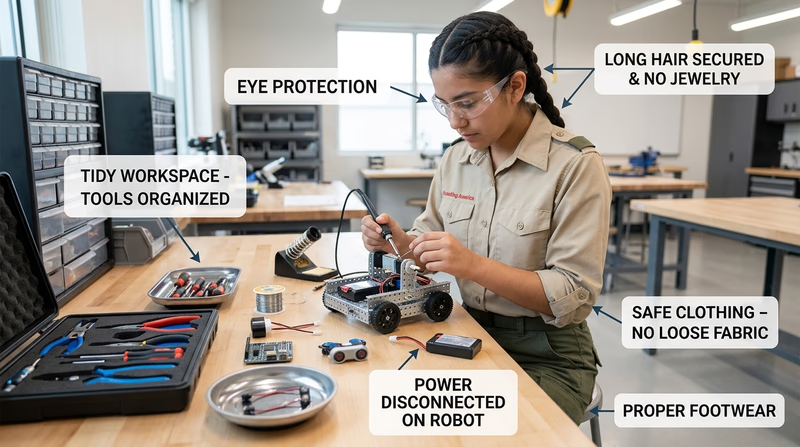
For most robotics work, safety glasses are the basic must-have item. If you are drilling, cutting, or testing a machine with moving parts, your eyes need protection.
Depending on the task, you may also need:
- Closed-toe shoes so dropped tools or metal parts do not hit bare feet
- Work gloves for handling rough material or sharp stock, but not around rotating tools where gloves could catch
- Hearing protection when using loud shop tools
- Aprons or shop coats to protect clothes from dirt, grease, or hot debris
- Heat-resistant tools or mats when soldering
Notice that the “right gear” depends on the job. That is the point of good safety thinking. You do not wear extra gear just to look prepared. You choose what actually reduces the risk in front of you.
🎬 Video: Hazards and Robot Safety (video) — https://youtu.be/7v3cylLL9hw?list=PLHGEvyG5wuthXQZzTc-mLwFrP5F6_1Lce
Requirement 1b:
Most robotics injuries are minor, but minor injuries still need quick, correct care. The goal is simple: stop the harm, protect the injured area, and get adult or medical help when needed.
Cuts
Cuts usually come from sheet metal, snapped plastic, knives, or tools slipping. For a small cut, wash your hands if possible, apply direct pressure with clean gauze or a cloth, rinse the wound, and cover it with a clean bandage. If bleeding does not stop, if the cut is deep, or if something is stuck in the wound, get adult help right away.
Eye injuries
Eye injuries are more serious because even a small particle can scratch the surface of the eye. If dust or debris gets into an eye, do not rub it. Blink several times or rinse gently with clean water. If something is embedded in the eye, cover both eyes loosely and get medical help immediately. Never try to remove an object stuck in the eye.
Burns
A heat burn can come from a soldering iron, hot motor, or heated metal part. Cool the burned area under cool running water for several minutes. Do not put ice directly on the burn. Cover it lightly with a clean, dry dressing.
A chemical burn can happen if a battery leaks or a chemical cleaner splashes. Flush the area with plenty of water right away and tell an adult immediately. Battery chemicals are not something to “wait and see” about.
🎬 Video: How to Treat Cuts and Scrapes (video) — https://www.youtube.com/watch?v=0jp5FgLmKtk&list=PLHGEvyG5wuthXQZzTc-mLwFrP5F6_1Lce&index=1
In Req 4e, you will test your own robot. The safer you are now, the easier it will be to test with confidence later.