Req 3 — Life Jacket Choice and Fit
A rowboat can feel stable right up until it is not. A shift in balance, a bad landing, cold water, or a surprise wake can put you in the water faster than you can think about reaching for gear. That is why rowers wear a life jacket instead of stowing one nearby.
For rowing, the best life jacket is usually one that lets you move your shoulders freely while still fitting snugly enough to stay in place in the water. Comfort matters, because uncomfortable gear gets loosened, unbuckled, or worn wrong.
What to Look For
A rowing life jacket should have these traits:
- U.S. Coast Guard approval so you know it meets real flotation standards.
- Good shoulder and arm mobility because rowing uses long, repeated strokes.
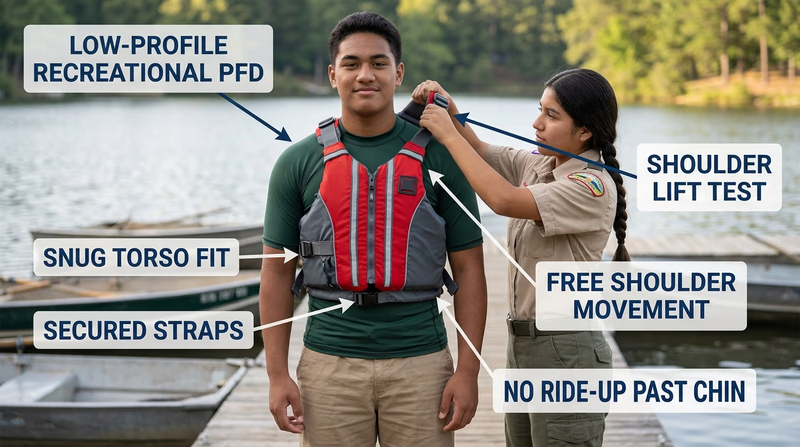
- A snug fit that does not ride up toward your chin.
- Secure closures such as zippers, buckles, and adjustment straps.
- The right size for your body based on the label.
Type III flotation aids and paddlesport-style Type V life jackets are often the most practical choices for rowing because they balance buoyancy and freedom of movement.
How to Select the Right One
Start with the label. Youth life jackets are sized by weight range. Adult life jackets are usually sized by chest measurement. If you are between sizes, try both and choose the one that stays snug without making it hard to breathe.
Then think about the activity. A bulky offshore jacket may float well but make rowing awkward. A slim paddlesport vest may be much easier to row in while still giving the flotation you need.
How to Fit It
- Loosen the straps before putting the life jacket on.
- Zip and buckle every closure.
- Tighten from the bottom up until the fit is snug.
- Raise your arms and mimic rowing strokes to check freedom of movement.
- Do the lift test: have a buddy pull up at the shoulders. If the jacket rides up past your chin or ears, it is too loose.
A properly fitted life jacket should feel secure, allow deep breathing, and stay put when lifted.
Quick Fit Check
Use this before every launch
- Correct size: Read the inside label instead of guessing.
- All closures fastened: Every buckle and zipper matters.
- Straps snug: Tight enough to stay put, not so tight that breathing is restricted.
- Lift test passed: The jacket does not slide up toward your face.
- Full rowing motion: You can reach, recover, and swing without binding.
Why Rowers Must Always Wear It
Rowers spend time around docks, shells, launches, and cold water. A capsize may happen close to shore, but that does not make it harmless. Cold shock, injury, tangled gear, and simple surprise can all steal time. A life jacket buys that time back.
It also helps rescuers help you. In a swamped-boat drill or a real emergency, flotation keeps your head higher, reduces panic, and lets you focus on the next step instead of fighting to stay above water.
US Coast Guard — Choosing the Right Life Jacket Official guidance on life jacket types, sizing, and fit for recreational boaters. Link: US Coast Guard — Choosing the Right Life Jacket — https://www.uscgboating.org/recreational-boaters/life-jacket-wear-types.phpNow that you know how to protect yourself, it is time to choose which rowing path you want to complete first: practical boat-handling skills or the team-racing option.