Req 7 — Towing a Swimmer
A swimmer rescue from a rowboat is a control problem before it is a strength problem. If you rush the approach, let the swimmer grab the wrong part of the boat, or forget to talk, the rescue can become less stable for both of you.
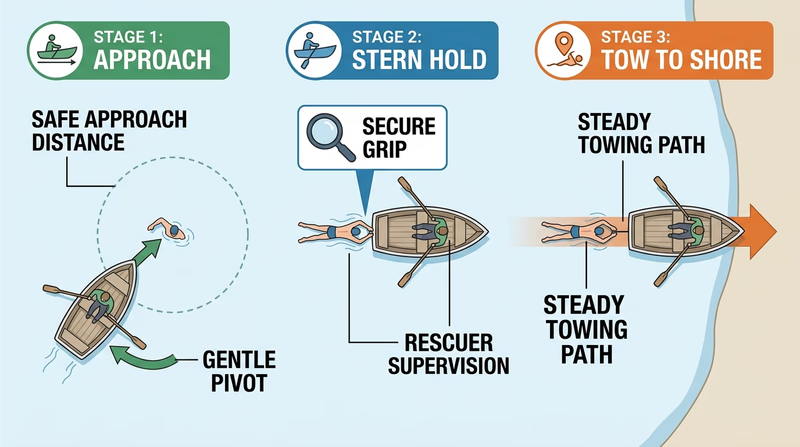
The stern tow works because it keeps the swimmer away from the oars and lets the rower keep better control of the boat.
Push Off and Approach the Swimmer
Launch cleanly and row toward the swimmer with enough speed to reach them, but not so much that you overshoot or create confusion. Keep watching the swimmer’s condition. A calm swimmer can follow directions. A panicked swimmer may need very short, clear commands.
Give Instructions Early
Do not wait until the swimmer is already grabbing the hull. Tell them what you want before they touch the boat.
Useful instructions are short:
- “Stay calm.”
- “I am turning the stern toward you.”
- “Hold the stern, not the sides.”
- “Keep your body behind the boat.”
Pivot the Boat for the Stern Hold
The pivot is the heart of the requirement. You are positioning the safest part of the boat for contact. The stern gives the swimmer a stable point without interfering with your oars.
Once the swimmer has the stern, check that they are actually secure before you start towing.
Swimmer-Tow Sequence
Do the rescue in a calm order
- Approach under control.
- Talk before contact.
- Turn the stern to the swimmer.
- Confirm a safe hold.
- Tow steadily to shore.
- Avoid sudden changes that could shake the swimmer loose.
Tow to Shore
A tow is easier when you stay smooth. Sudden power changes can make the swimmer lose grip or swallow water. Choose the shortest safe route to shore, but do not head through obstacles, traffic, or breaking waves if there is a safer angle.
This requirement also reminds you why Req 2 matters. Rescue work is tiring. The rower needs enough swimming and water confidence to stay calm while the boat is only partly under ideal control.
A good rescue rower does not just reach the swimmer. They keep the whole situation organized. Next, the guide shifts from rescue skills to rowing knowledge about craft types, materials, and oarlocks.