Req 8 — Craft, Materials & Oarlocks
This requirement covers the equipment side of rowing:
- The kinds of boats people row in different settings
- The materials boats are built from
- The hardware that lets an oar pivot efficiently
A rower who understands equipment makes better decisions about safety, storage, performance, and maintenance.
Requirement 8a
Commercial rowing craft
Commercial craft are built for work, transport, or tourism rather than racing speed. Think of ferryboats moved by oars in earlier eras, workboats on calm waters, or guided recreation boats used by outfitters. These boats usually value capacity, durability, and stability.
Competitive rowing craft
Competitive boats are usually called shells. They are long, narrow, and designed to reduce drag. Sliding seats, riggers, and lightweight materials help the rower or crew apply power efficiently. Examples include singles, doubles, fours, and eights.
Recreational rowing craft
Recreational rowboats often sit between those extremes. They may be wider and sturdier than racing shells, with fixed seats, more forgiving hulls, and easier dock handling. Camp rowboats, club training boats, and family rowboats fit here.
Requirement 8b
Wood
Wood looks beautiful and can feel lively on the water. It is repairable and traditional, but it needs careful maintenance. Moisture, rot, and warping are real concerns if storage is poor.
Aluminum
Aluminum is tough, durable, and common in utility boats. It resists rot and can take hard use, but it may be heavier and louder on the water. In extreme heat or cold, it can also feel less comfortable to handle.
Fiberglass
Fiberglass allows builders to shape smooth hulls and make relatively light recreational boats. It resists many weather problems better than wood, but impacts can crack or chip it, and repairs may require special materials.
Carbon fiber or composite materials
High-performance shells often use carbon fiber or related composites because they are light and stiff. That helps speed and responsiveness. The tradeoff is cost and a lower tolerance for careless handling. A fast shell can also be a fragile one.
Material Tradeoffs
A simple way to compare boatbuilding choices
- Wood: classic look, repairable, high maintenance.
- Aluminum: durable, affordable, often heavier.
- Fiberglass: shaped efficiently, moderate weight, can crack.
- Carbon/composite: very light and stiff, expensive, needs careful handling.
Requirement 8c
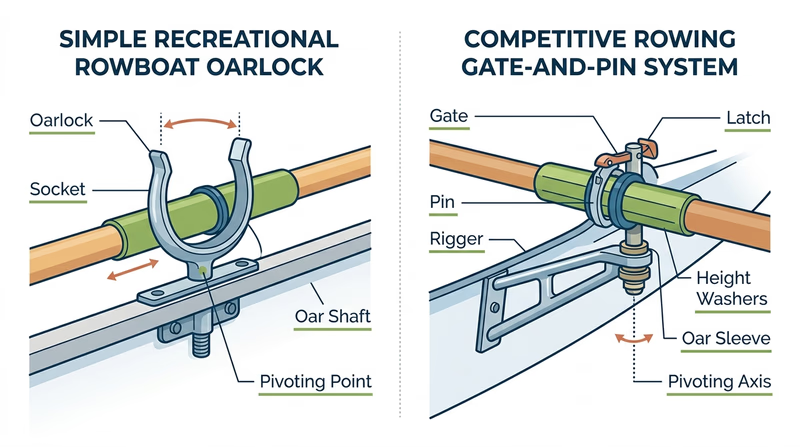
Recreational oarlocks
Recreational rowboats often use simple metal oarlocks with a U-shaped cradle or pin arrangement. They are built for durability and easy use, especially on wider, sturdier boats.
Competitive oarlocks
Competitive rowing usually uses a more refined gate-and-pin system mounted on a rigger. These setups hold the oar securely while allowing precise adjustment of angle and position. Small setup changes can affect comfort and performance.
The basic purpose is the same in both cases: the oarlock acts as the pivot point that turns your handle movement into blade power against the water.
🎬 Video: An insider look at rowing equipment — World Rowing — https://www.youtube.com/watch?v=HYH1hANh1Ms
Knowing the hardware is helpful, but advanced rowing also depends on technique, weather judgment, and seasonal boat care. That is what the next requirement covers.