Req 5 — Aquatic Ecosystems
A dive site is more than “water with stuff in it.” It is a living system. An ecosystem is a community of living things interacting with one another and with the nonliving parts of their environment, such as temperature, sunlight, salinity, depth, current, and seafloor shape.
For a diver, ecosystems matter because they shape everything you see and feel underwater: visibility, animal life, plant life, water movement, and even the kind of hazards or conservation concerns at the site.
Four aquatic ecosystems divers might experience
Coral reefs
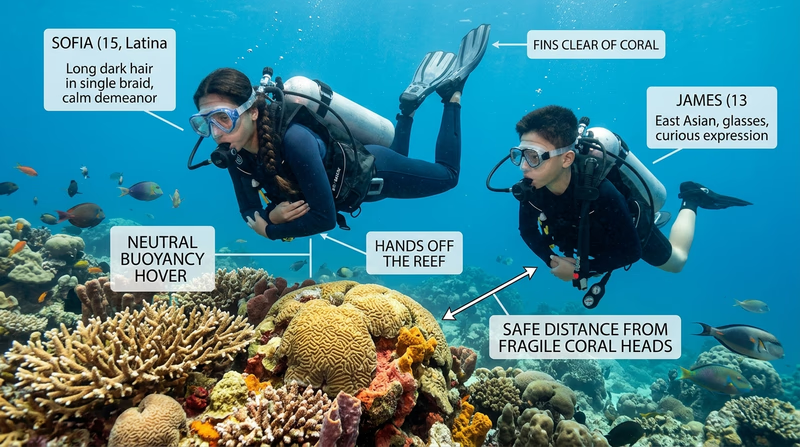
Coral reefs are some of the most colorful and crowded ecosystems on Earth. Reef-building corals create hard structures that shelter fish, invertebrates, and many other organisms. Warm, clear, relatively shallow salt water is common for reef systems.
For divers, reefs often mean rich wildlife and beautiful scenery, but also delicate habitats. A careless fin kick can break living coral or stir up sand that reduces visibility.
Kelp forests
Kelp forests grow in cooler coastal water where large brown algae anchor to rocky bottoms and stretch upward toward sunlight. They create a vertical habitat that can feel almost like an underwater forest, with fish, invertebrates, and marine mammals using different layers of the water column.
Divers in kelp forests often notice movement, shadows, and changing visibility. The ecosystem can feel dramatic and alive, but it also requires calm movement and good awareness so you do not tangle gear or lose track of direction.
Freshwater lakes and quarries
Not every ecosystem is salt water. Lakes, ponds, and flooded quarries are aquatic ecosystems too. They may include fish, plants, algae, insects, crayfish, and seasonal changes that strongly affect visibility and temperature.
For many Scouts, this may be the most realistic training environment. Freshwater dive sites often teach divers how different ecosystems can feel from tropical images in magazines. The life may be quieter and the visibility lower, but the ecology is still real and worth studying.
Seagrass beds, mangroves, and shallow coastal nurseries
In many coastal areas, shallow habitats act like nurseries for young fish and invertebrates. Seagrass beds slow water movement, trap sediment, and provide shelter. Mangrove roots create a maze where small marine life can hide and feed.
These ecosystems may not look as dramatic as a reef wall, but they are extremely important. Many larger animals depend on them during early life stages.
What to notice when describing an aquatic ecosystem
These details help you move beyond just naming the habitat
- Water type: Freshwater or salt water?
- Temperature and light: Warm and bright, or cold and dim?
- Structure: Coral, rock, roots, plants, sand, or open water?
- Typical life: What kinds of animals and plants use the habitat?
- Diver impact: How could a diver accidentally damage it or disturb it?
How divers fit into ecosystems
A diver is a visitor. That means your job is to observe without damaging what you came to see. Good buoyancy, careful finning, no collecting, and respectful distance from animals all protect the site.
The best divers also understand that ecosystems connect to each other. Sediment washing off land can affect seagrass and reefs. Water temperature shifts can stress coral. Pollution in a river can affect a lake or estuary. When you describe four ecosystems to your counselor, show that you understand each one as a system, not just a backdrop.
NOAA Ocean Service Explore reliable background on coral reefs, coasts, habitats, and the living systems divers may encounter. Link: NOAA Ocean Service — https://oceanservice.noaa.gov/A strong counselor explanation
Your counselor will probably be happiest with descriptions that compare the ecosystems instead of listing four names and stopping. For example, a coral reef is usually warm, bright, and structurally complex, while a quarry may be cooler, darker, and shaped more by geology and freshwater plants. Those differences affect what divers see, how they move, and what environmental care matters most.
Next, you will bring the badge back to people by exploring the many jobs that use scuba skills in the real world.