Req 1 — Studio Safety
A sculpture studio can look calm, but it contains real hazards. Sharp tools can slip. Dust can get into your lungs. A kiln or oven can produce dangerous heat and fumes. Wet clay and plaster seem harmless until you forget to wash up, leave food nearby, or let dust build up on surfaces. This requirement is really about showing your counselor that you know how to think ahead before you make art.
The safest sculptors do not wait until something feels dangerous. They build habits from the start. They choose the right protective gear, set up their work area before cutting or mixing anything, and slow down when the tool or material changes.
Start With the Workspace
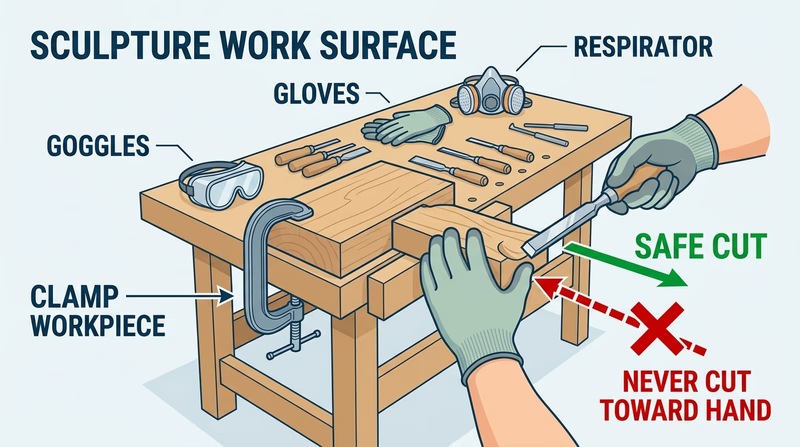
A good workspace protects both you and the project. Clear away clutter so tools are not hidden under scraps or rags. Give yourself enough room to move your elbows without bumping into another person. Make sure the piece you are working on is supported so it will not slide while you cut, carve, or shape it.
If you are working indoors, ventilation matters. Dust and vapors should not stay trapped in the room. Open windows if appropriate, work near proper ventilation, and follow any studio rules about fans or exhaust systems.
Safe setup before you begin
Do these things before the first cut, mix, or sculpting session
- Clear the table and floor so you are not stepping over cords, tools, or scraps.
- Tie back loose hair and remove loose sleeves, jewelry, or anything that could catch in tools or equipment.
- Set out only the tools and materials you need for this stage of the project.
- Keep water, snacks, and drinks away from the work area.
- Know where protective gear, first aid supplies, and cleanup materials are located.
Tool Safety
Different tools create different risks. Soft clay tools may seem mild, but loop tools, wire cutters, knives, rasps, chisels, and carving gouges can all cause injury when used carelessly.
The sculpture pamphlet gives a few especially important reminders. When using knives and chisels for wood or other carving work, carve away from your body. Pay attention to where your fingers are holding the material. Take your time instead of forcing the cut. When carving or chipping, wear protective goggles so flying chips do not hit your eyes.
If you use electrical equipment such as a grinder, avoid loose-fitting clothes that could catch. Follow the instructions for the specific tool, and do not use equipment unless a qualified adult has shown you how.
The official safety video below is useful because it shows how everyday studio habits—apron use, cleanup, and careful handling of tools—matter long before anything goes wrong.
🎬 Video: Working Safely With Clay & DIY Modeling Tools (video) — https://youtu.be/-fX0YeZnEME?si=suWmdxmEVZaWz3L2
Dust, Vapors, and Skin Contact
One of the biggest sculpture hazards is the one you do not always notice right away: breathing in dust. Sanding, carving plaster, handling dry clay, or working with glazes and paints can put fine particles into the air. The pamphlet specifically warns that lightweight paper dust masks are not enough protection against toxic dust and vapors. When dust or fumes are a real concern, use a respiratory mask approved by NIOSH.
The pamphlet also recommends disposable gloves and work clothing made from materials that do not hold dust. If your clothing gets dusty, keep it separate from other laundry and wash it regularly. Avoid eating or drinking in the work area. If you work with clay using bare hands, wash thoroughly with soap and water afterward.
Premixed clay is often safer for beginners than mixing dry materials from scratch because it reduces exposure to loose dust. That is a practical example of safety planning: the safest choice is sometimes the one that creates less risk before you even start.
The Essential Rules of Clay Safety: What You Need to Know (website) A Scout-friendly overview of clay dust, ventilation, cleanup, and studio habits that support the safety points in this requirement. Link: The Essential Rules of Clay Safety: What You Need to Know (website) — https://artabys.com/the-essential-rules-of-clay-safety-what-you-need-to-know/Heat and Firing Safety
Some sculptural materials harden in an oven or kiln. That does not make them casual kitchen projects. The pamphlet says polymer clays such as Sculpey should be heated only with precautions and with advice from an instructor. Kilns should be used only under the direct supervision of a qualified adult who understands their operation.
Heat safety also includes ventilation. If clay is scorched or burned, it can release dangerous fumes. The kiln area needs to be well ventilated and have an adequate exhaust system. Looking directly into a firing kiln is also a hazard; the pamphlet notes that proper infrared eye protection or a suitable shield is needed.
What Your Counselor Wants to Hear
A strong explanation does more than list goggles and gloves. It shows judgment. You should be able to say which precautions matter for soft clay, which matter for carving, and which matter for firing or dusty materials. For example, a loop tool used on wet clay mainly calls for careful hand placement and cleanup, while sanding plaster calls for respiratory protection and dust control.
That kind of answer shows you understand the connection between tool, material, and risk—which is exactly what a real artist or studio assistant has to think about every day.
Now that you know how to work safely, you are ready to choose two sculpture experiences and decide how you want to learn by doing.