Req 1a — Field Injuries and Conditions
A search can fall apart fast when one small problem becomes two emergencies. A blister slows a team. A missed tick turns into illness days later. Heatstroke, shock, or a snakebite can turn a searcher into the person who now needs help. This page gives you quick, Scout-level first-aid and prevention guidance for the field problems SAR teams watch closely.
In the First Aid merit badge, you learn these skills in greater depth. Here, focus on how they show up in outdoor searches where weather, terrain, distance, and time all make treatment harder.
Requirement 1a1
Signs and symptoms of dehydration
Thirst, dark urine, headache, tiredness, dizziness, and poor decision-making are early clues. A dehydrated person may become cranky, slow, or clumsy before they admit anything is wrong.
First aid for dehydration
Move the person to shade or a cooler place. Have them rest and sip water or an electrolyte drink slowly. Loosen extra layers and watch for heat illness that may be developing at the same time.
Prevention of dehydration
Drink before you feel thirsty, especially in heat, wind, or dry air. Carry more water than you think you will need, eat salty snacks during long effort, and keep checking teammates for early warning signs.
Requirement 1a2
Signs and symptoms of heatstroke
This is a life-threatening emergency. Warning signs include hot skin, confusion, vomiting, collapse, strange behavior, a rapid pulse, or loss of consciousness.
First aid for heatstroke
Call for emergency help. Move the person to shade immediately and cool them fast with cold water, wet cloths, fans, or ice packs at the neck, armpits, and groin. If the person is not fully alert, do not give food or drink.
Prevention of heatstroke
Plan harder travel for cooler parts of the day, drink often, wear light clothing, and slow down before heat builds up. Searchers who ignore fatigue, heavy packs, and direct sun are much more likely to get into trouble.
Requirement 1a3
Signs and symptoms of hypothermia
Shivering, fumbling hands, slurred speech, confusion, and stumbling are common early signs. Later, the person may stop shivering and become sleepy or hard to wake.
First aid for hypothermia
Get the person out of wind, rain, snow, or cold water. Replace wet clothing with dry layers, insulate the head and torso, and warm the person gradually with blankets or body heat. Give warm drinks only if the person is awake and can swallow.
Prevention of hypothermia
Stay dry, add layers early, eat and drink regularly, and protect yourself from wind. Cold rain at 50°F can be more dangerous than dry snow because wet clothing steals heat fast.
Requirement 1a4
Signs and symptoms of shock
Shock means the body is not moving enough blood to vital organs. Look for pale or cool skin, weakness, restlessness, fast breathing, confusion, and a weak pulse.
First aid for shock
Call for help and treat the cause if you can do so safely. Have the person lie down, protect them from cold or heat, control bleeding, and keep them calm. Do not give food or drink if surgery or vomiting may become an issue.
Prevention of shock
Prevent severe injuries from getting worse, control bleeding quickly, and respond early to heat, cold, dehydration, and allergic reactions before the whole body starts to fail.
Requirement 1a5
Signs and symptoms of blisters
A hot spot, tenderness, redness, or a fluid-filled bubble on the foot or hand can change how a person walks and quickly slow a team.
First aid for blisters
Stop early. Clean and cover the area with moleskin, tape, or a blister pad to reduce friction. Large or badly torn blisters may need more careful dressing, but the key field lesson is to protect the area and keep it clean.
Prevention of blisters
Wear broken-in footwear, dry socks, and shoes that fit. Fix hot spots as soon as they start instead of trying to push through them.
Requirement 1a6
Signs and symptoms of eye injuries
Pain, tearing, blurred vision, redness, light sensitivity, or the feeling that something is stuck in the eye all matter. Any change in vision is serious.
First aid for eye injuries
Do not rub the eye. If loose dirt is present, flush gently with clean water. If an object is stuck in the eye or there is major trauma, protect the eye without pressing on it and get medical help right away.
Prevention of eye injuries
Wear eye protection when needed, avoid snapping branches back into people behind you, and be careful with campfire smoke, dust, and chemicals such as stove fuel.
Requirement 1a7
Signs and symptoms of ankle and knee sprains
Pain, swelling, bruising, and trouble bearing weight are common. A person may also feel the joint is unstable.
First aid for ankle and knee sprains
Rest the joint, cool it if possible, compress it with an elastic wrap if trained to do so, and elevate it when practical. If the person cannot bear weight, the joint looks badly deformed, or pain is severe, stop the mission and seek higher care.
Prevention of ankle and knee sprains
Watch foot placement, slow down on loose rock or roots, keep packs balanced, and use trekking poles when terrain is rough.
Requirement 1a8
Signs and symptoms of bug bites
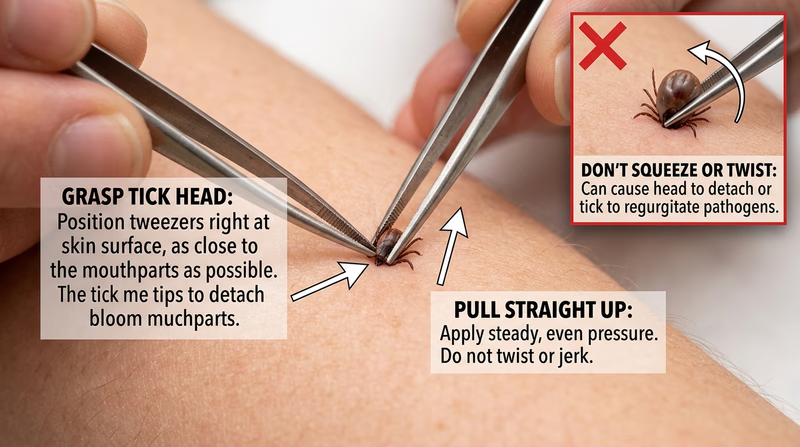
Most bites cause itching, swelling, and irritation. Ticks add a bigger concern because they can stay attached and spread disease.
First aid for bug bites
Wash the area, reduce scratching, and use itch relief if available. For ticks, remove them promptly with fine-tipped tweezers by grasping close to the skin and pulling straight out.
Prevention of bug bites
Use insect repellent, wear long sleeves and pants in buggy areas, tuck pants into socks when needed, and do full tick checks after the outing.
Requirement 1a9
Signs and symptoms of bee stings
A normal sting causes pain, redness, and swelling. Trouble breathing, swelling of the face or throat, or widespread hives may mean a severe allergic reaction.
First aid for bee stings
Remove the stinger promptly if it is still present, wash the area, and use a cold pack to reduce swelling. For signs of anaphylaxis, use the person’s prescribed epinephrine if available and get emergency help immediately.
Prevention of bee stings
Do not swat wildly at bees. Watch where you place hands and feet, avoid scented products in the field, and stay clear of nests.
Requirement 1a10
Signs and symptoms of spider bites
Many bites are minor and look like other insect bites. Serious bites may cause stronger pain, cramping, sweating, or a worsening wound.
First aid for spider bites
Wash the area, keep the person calm, and get medical advice if symptoms grow worse or if a dangerous spider may be involved. Save a photo of the spider only if this can be done safely.
Prevention of spider bites
Shake out boots, gloves, and sleeping gear before use. Avoid reaching blindly into woodpiles, rock cracks, and dark storage spaces.
Requirement 1a11
Signs and symptoms of a scorpion sting
Expect immediate pain, tingling, or numbness. In more serious cases, muscle twitching, trouble swallowing, or breathing problems may appear.
First aid for a scorpion sting
Wash the area, apply a cool compress, keep the person still, and get medical help if symptoms are severe or the person is very young, elderly, or medically fragile.
Prevention of a scorpion sting
Check shoes, sleeping bags, and clothing before use in scorpion country. Keep tents zipped and avoid putting hands under rocks or logs without looking first.
Requirement 1a12
Signs and symptoms of a wild mammal bite
Puncture wounds, tearing, bleeding, and crushing injury are common. Rabies exposure is the big follow-up concern even when the wound looks small.
First aid for a wild mammal bite
Wash the wound thoroughly with soap and water, control bleeding, cover it with a clean dressing, and get medical care as soon as possible.
Prevention of a wild mammal bite
Never approach, corner, feed, or try to rescue wild animals yourself. Animals that seem unusually tame, confused, or aggressive deserve extra caution.
Requirement 1a13
Signs and symptoms of a venomous snakebite
Pain, swelling, fang marks, nausea, weakness, and worsening tissue damage may appear. Some bites start mildly and worsen later.
First aid for a venomous snakebite
Call for emergency help. Keep the person calm, limit movement, and keep the bitten area still. Remove rings or tight gear before swelling increases. Do not cut the wound, suck out venom, or apply a tourniquet.
Prevention of a venomous snakebite
Watch where you step or place hands, especially around rocks, logs, and tall grass. Give snakes space and never try to handle one.
Field first-aid habits that matter in SAR
These habits prevent small problems from becoming mission-stopping problems
- Stop early: Treat hot spots, chills, or dizziness before they become injuries.
- Protect the patient: Get them out of the heat, cold, wind, or bite zone first.
- Think scene safety: A second injured person helps no one.
- Watch the whole person: Confusion, weakness, and behavior changes can be more important than the obvious wound.
Once you know how injuries and conditions affect people in the field, the next step is understanding how the Scout Basic Essentials help prevent many of these problems before rescuers ever need to respond.