Req 1c — What Goes in an SAR Pack
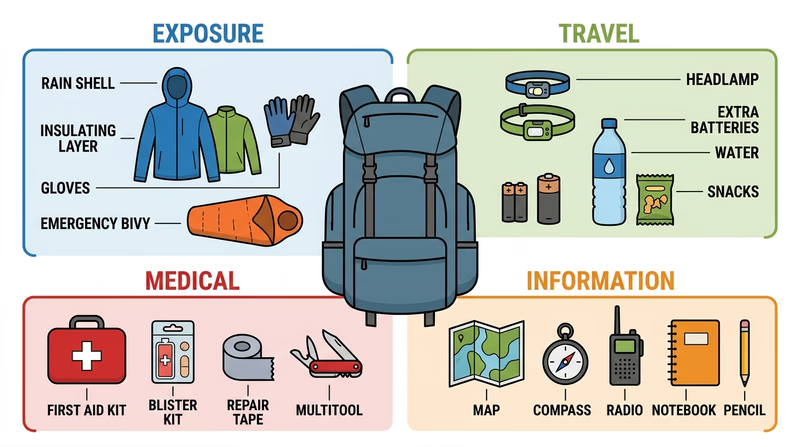
A searcher walks into uncertainty on purpose. That means SAR field packs are built for longer hours, rougher terrain, changing weather, communication needs, patient care, and the chance that the team may need to stay out longer than expected. The pack is really a collection of answers to field hazards.
Think in hazard groups
Exposure hazards
Cold rain, wind, heat, and darkness are common SAR threats because teams often work during ugly weather and after sunset.
Pack answers: extra insulation, rain gear, gloves, hat, emergency bivy or shelter, headlamp with spare batteries, and extra water.
Travel hazards
Loose rock, brush, steep slopes, creek crossings, and long distances wear people down fast.
Pack answers: sturdy boots, trekking poles when appropriate, blister care, tape, repair kit, gloves, and enough food to keep energy steady.
Medical hazards
Searchers may have to treat themselves, teammates, or the subject until a higher level of care arrives.
Pack answers: first aid kit, trauma supplies appropriate to training level, patient insulation, gloves, and notepaper for recording what happened.
Information hazards
A search can fail if the team cannot navigate or report clearly.
Pack answers: map, compass, approved GPS device or app, notebook, pencil, radio, and sometimes flagging or other route-marking tools if local procedures allow.
Time hazards
A short assignment can become an all-day operation if clues appear, weather changes, or the subject is located far from easy access.
Pack answers: extra calories, water treatment if trained and appropriate, spare light, charging options, and backup clothing.
What a field pack is trying to do
Every item should answer one of these questions
- Will this keep me functioning? Water, food, layers, and foot care.
- Will this keep me found? Map, compass, GPS, and team communication.
- Will this help me manage an emergency? First aid, shelter, and patient-care basics.
- Will this keep the mission moving? Notebook, repair kit, and batteries.
Why SAR packs include more than a normal day-hike pack
A day hiker mostly plans for self-care. A searcher plans for self-care, team needs, and the possibility of finding a patient. That changes the pack.
For example, a whistle helps a hiker signal. A search team may also carry radios so clues, route changes, or patient information can move back to the command post clearly. A hiker might carry one warm layer. A searcher may need enough insulation to stop, treat someone, and remain on scene without getting cold.
Sample hazard-to-gear matches
| Hazard | Useful SAR gear | Why it matters |
|---|---|---|
| Nightfall during the assignment | Headlamp, spare batteries, reflective items | Keeps the team moving safely and makes signals easier to spot. |
| Sudden weather change | Shell layer, insulation, hat, gloves | Prevents exposure injuries that could stop the mission. |
| Subject needs immediate care | First aid kit, gloves, patient insulation | Helps stabilize the person until evacuation. |
| Team gets separated or rerouted | Radio, notebook, map, compass | Supports clear, accurate communication and navigation. |
| Minor gear failure in rough terrain | Tape, cord, multitool, repair items | A broken strap or boot lace should not become a mission-ending problem. |
Now that you have looked at hazards, first aid, and gear, move to the prevention side of SAR: how Scouts stay found, communicate their position, and make themselves easier to locate.