Req 1d — Eye and Hearing Protection
Eye and hearing protection are mandatory on every shooting range. No exceptions. Damage to your eyes or ears from shooting is cumulative and often permanent—meaning each unprotected exposure adds to the total, and the damage does not heal.
Eye Protection
Why You Need It
When a shotgun fires, hot gases, unburned powder, and fragments of the shotshell exit the chamber area. Ejected hulls fly sideways. Clay target fragments fall from the sky. Any of these can reach your eyes. A single fragment can cause permanent vision loss.
Types of Eye Protection
- Impact-rated safety glasses (ANSI Z87.1): The minimum standard. Look for the “Z87+” marking on the lens or frame. Regular sunglasses or prescription glasses are not rated for impact and should not be substituted.
- Shooting glasses with interchangeable lenses: Many shooters use amber or orange lenses for clay target sports because they increase contrast against the sky, making the target easier to see. Clear lenses work for overcast days. Gray or smoke lenses reduce brightness on sunny days.
- Wraparound styles: Provide side protection against ejected hulls and debris.
Proper Use
Wear your eye protection before any firearms are handled and keep it on until the range is declared safe and all firearms are cased or racked. Eye protection goes on first, comes off last.
Hearing Protection
Why You Need It
A 12-gauge shotgun produces roughly 150–160 decibels at the shooter’s ear. Permanent hearing damage begins at about 140 decibels for a single impulse. Every unprotected shot costs you hearing you will never get back. The damage is painless at first, which is why many shooters do not realize the harm until years later.
Types of Hearing Protection
- Foam earplugs: Inexpensive, disposable, and effective (NRR 25–33). Roll them tightly, insert into the ear canal, and let them expand. Proper insertion is essential—a loosely inserted plug provides almost no protection.
- Over-the-ear muffs: Easier to put on correctly and visible to range officers. NRR 22–30 for most models. Some shooters find muffs more comfortable for extended sessions.
- Electronic muffs: Amplify normal conversation and range commands while blocking impulse noise above a safe threshold. More expensive, but they let you hear your instructor clearly. Popular on shotgun ranges where communication matters.
- Doubling up: For maximum protection, wear foam plugs under muffs. Many competitive shotgun shooters do this, especially on busy ranges where multiple shooters are firing.
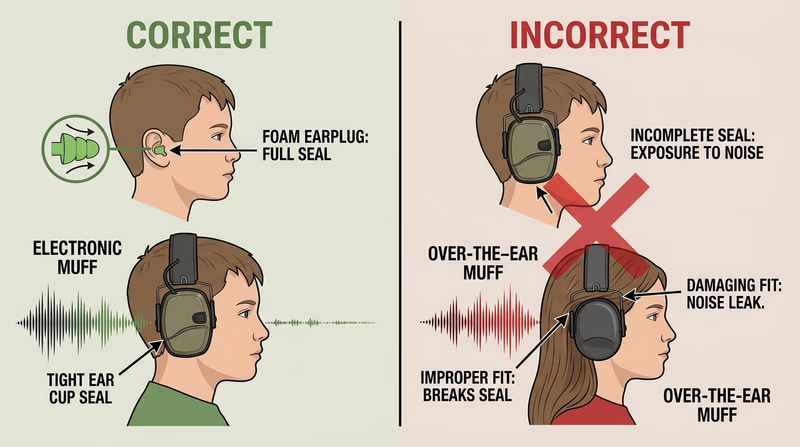
Proper Use
Insert or don ear protection before any firearms are loaded and keep it on until the line is clear. On a shotgun range, you may be standing near other shooters who are also firing—so even when you are not shooting, your hearing is at risk.
The Counselor Conversation
Your counselor will want you to explain both the need and the types for each. Be specific about NRR ratings and why proper fit matters. Mention that damage is cumulative and irreversible—that is the key concept.