Req 2 — Health Habits That Support Performance
This requirement is about the habits that make athletic effort sustainable. Talent matters, but healthy routines matter more over time. Physical exams, everyday choices, and nutrition all work together to keep you available for practice, ready for competition, and strong enough to improve.
Requirement 2a
A physical exam is not just paperwork for a coach. It is a chance to catch problems early, talk honestly about past injuries, and make sure you are safe to participate in the sport you chose.
Why physical exams matter
A sports physical can help identify concerns such as asthma, heart issues, untreated injuries, vision problems, or recovery limits after a concussion. Many athletes feel healthy right up until hard exercise exposes a weakness. A physical exam gives you and your family a better picture before the season starts.
What to be ready to discuss
- Past injuries and surgeries
- Medicines you take regularly
- Allergies or medical conditions
- Dizziness, chest pain, or shortness of breath during activity
- Family history of heart or other health problems
Requirement 2b
Good athletes do not build performance only during games. They build it every day through sleep, movement, hydration, recovery, and smart decisions. These habits support sports now, but they also support your health long after one season ends.
Health habits that help for life
- Regular exercise keeps your heart, lungs, muscles, and joints working well.
- Consistent sleep helps reaction time, mood, learning, and recovery.
- Hydration supports endurance, focus, and temperature control.
- Recovery time gives muscles and connective tissues time to rebuild.
- Stretching and mobility work can improve movement quality and lower injury risk.
How harmful substances hurt performance
Tobacco damages the lungs and blood vessels, making it harder to deliver oxygen where your body needs it. Alcohol slows judgment, reaction time, coordination, and recovery. Other harmful substances can affect mood, sleep, motivation, decision-making, and long-term health. Even if someone thinks a substance helps them relax or fit in socially, it can hurt athletic progress badly.
Healthy habits athletes can control
These choices often matter more than flashy drills
- Sleep enough before practices and games.
- Drink water regularly instead of waiting until you already feel bad.
- Keep moving year-round so you are not starting from zero every season.
- Respect recovery after hard workouts, injuries, and illness.
- Avoid tobacco, alcohol, and other harmful substances because they slow progress and raise risk.
Requirement 2c
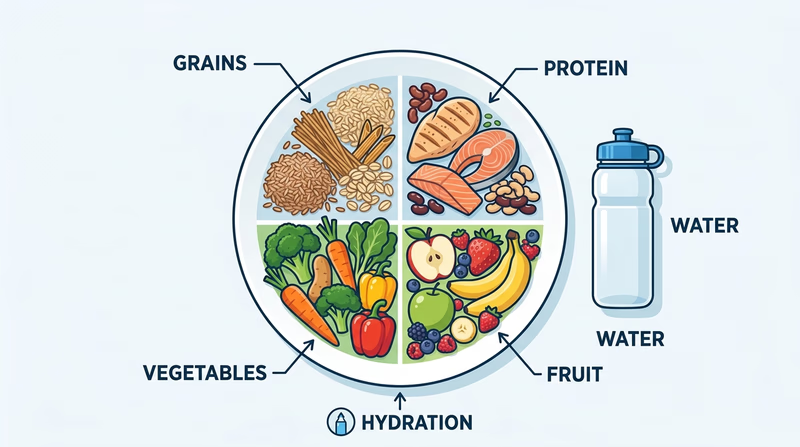
Food is fuel, building material, and recovery support all at once. A healthy diet gives your body the energy to train, the protein to repair tissue, and the nutrients to keep bones, muscles, nerves, and the immune system working properly.
What a healthy athlete diet does
A balanced eating pattern helps you:
- keep energy steady through school, practice, and games
- recover faster after hard effort
- support growth if you are still developing
- reduce the chance of feeling weak, lightheaded, or worn down
What balance usually looks like
You do not need a perfect meal plan. You do need variety and consistency.
- Carbohydrates help power activity.
- Protein helps repair and build tissue.
- Healthy fats support long-lasting energy and normal body functions.
- Fruits and vegetables provide vitamins, minerals, and fiber.
- Water supports nearly every system in the body.
These three topics belong together. A physical exam helps you know your starting point, health habits keep you ready day after day, and a healthy diet gives your body what it needs to train well. Together they turn sports from a short burst of effort into a safer, healthier pattern of living.
Next, you will move from health basics into preparation habits that shape how athletes train, compete, and treat other people.