Req 2b — Water Systems
Why Water Is Essential
Water is the most important substance on Earth for living things. Your body is about 60% water, and every cell depends on it to function. Here is why water is so critical:
- Drinking and hydration — Your body needs about 8 cups of water a day to stay healthy. Without water, a person can survive only about three days.
- Food production — It takes about 1,800 gallons of water to produce one pound of beef and 100 gallons for one pound of wheat. Every meal you eat depends on water.
- Sanitation and hygiene — Clean water prevents the spread of diseases like cholera, typhoid, and dysentery. Handwashing alone saves thousands of lives every year.
- Ecosystems — Rivers, lakes, and wetlands support fish, birds, plants, and countless other species. These ecosystems also filter pollution and control flooding naturally.
- Industry and energy — Factories use water for cooling, cleaning, and manufacturing. Power plants use water to generate steam and electricity.
Your Water’s Journey: Source to Drain
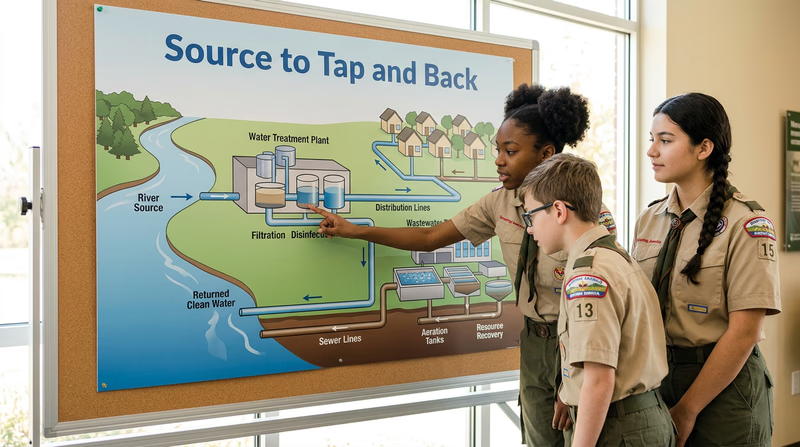
To create your diagram, you need to understand two systems: how water gets to your home and where it goes after you use it.
From Nature to Your Faucet
Most communities get their water from one of two sources:
Surface water — Rivers, lakes, and reservoirs. A dam or intake structure captures the water and sends it to a treatment plant.
Groundwater — Underground aquifers accessed through wells. A pump brings the water to the surface.
At the water treatment plant, the water goes through several steps:
- Coagulation and flocculation — Chemicals cause dirt and particles to clump together
- Sedimentation — Heavy clumps settle to the bottom
- Filtration — Water passes through sand, gravel, and charcoal filters
- Disinfection — Chlorine or UV light kills bacteria and viruses
The treated water then flows through underground pipes (water mains) to your home.
From Your Drain to Nature
After you flush, shower, or wash dishes, the used water (called wastewater) flows through sewer pipes to a wastewater treatment plant. There, it goes through a similar process:
- Screening — Large debris is removed
- Primary treatment — Solids settle out in large tanks
- Secondary treatment — Bacteria break down organic matter
- Disinfection — Remaining pathogens are killed
- Discharge — The cleaned water is released back into a river, lake, or ocean
Some homes use septic systems instead of connecting to a public sewer. A septic tank breaks down waste on-site, and the treated water soaks into a drain field in the yard.
Preserving Clean Water Access
Here are ways communities can protect their water supply for the future. Choose two that are relevant to your area:
Protect Watersheds
A watershed is the land area that drains into a particular body of water. Keeping watersheds healthy — by preventing pollution, limiting development near waterways, and planting trees along stream banks — protects the water supply at its source.
Prevent Pollution
Storm drains carry rainwater directly to rivers and lakes without treatment. Oil, fertilizers, pesticides, and trash that wash into storm drains contaminate drinking water sources. Proper disposal of chemicals and reducing fertilizer use keeps water cleaner.
Invest in Infrastructure
Many American cities have water pipes that are 50–100 years old. Aging infrastructure leads to leaks, breaks, and contamination. Investing in pipe replacement and treatment plant upgrades protects water quality and reduces waste.
Conserve Aquifers
In areas that rely on groundwater, pumping water faster than rain can replenish it causes the water table to drop. Conservation measures and managed recharge (intentionally directing rainwater underground) help keep aquifers healthy.