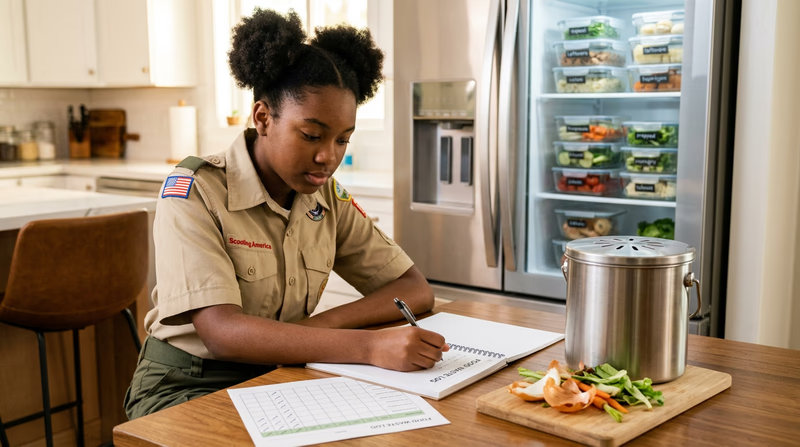
Req 3c — Reducing Food Waste
The Food Waste Problem
In the United States, about 30–40% of the food supply is wasted. That is roughly 133 billion pounds of food — enough to fill a football stadium to the brim every single day. Wasted food also wastes the water, energy, and labor that went into producing it, and it generates methane (a powerful greenhouse gas) when it rots in landfills.
The good news? Your household can make a real difference. This requirement asks you to measure your food waste, make a plan, and track your progress over two weeks.
Step 1: Establish a Baseline
Before you can reduce food waste, you need to know how much your household currently wastes. For three to five days before starting your plan:
- Place a separate container near your kitchen trash for food waste only (a bowl, a small bin, or a bag)
- Track what gets thrown away — write down each item, the approximate amount, and why it was wasted
- Note the reason for each wasted item: expired, spoiled, leftover not eaten, overcooked, or simply not wanted
Common categories of household food waste include:
Common Food Waste Categories
What to track during your baseline
- Produce that spoiled before it was eaten (fruits, vegetables, herbs)
- Leftovers from meals that were never finished
- Expired items cleaned out of the fridge or pantry
- Plate waste — food served but not eaten
- Food prepared but not to anyone’s liking
- Bread, baked goods, or snacks that went stale
Step 2: Make Your Plan
Based on your baseline data, identify the biggest sources of waste and create specific strategies to address them. Here are proven approaches:
Meal Planning
Plan your meals for the week before you shop. Make a list of exactly what you need and stick to it. This reduces impulse purchases that often end up wasted.
First In, First Out (FIFO)
When you put away groceries, move older items to the front of the fridge and pantry and newer items to the back. This way, you use older food before it spoils.
Proper Storage
Many foods last longer when stored correctly. Berries stay fresh longer when washed just before eating (not when you buy them). Herbs keep well in a glass of water in the fridge. Bread lasts longer in the freezer than on the counter.
Creative Leftover Use
Designate one dinner each week as “leftover night.” Transform yesterday’s roasted chicken into today’s chicken soup. Turn wilting vegetables into a stir-fry or smoothie. Get creative instead of throwing food away.
Composting
Food scraps that cannot be eaten — like banana peels, coffee grounds, and eggshells — can be composted instead of sent to a landfill. Composting turns waste into nutrient-rich soil for gardens. Even apartment dwellers can use small countertop composters or worm bins.
Understanding Date Labels
“Sell by,” “best by,” and “use by” dates are confusing — and they cause a lot of unnecessary waste. In most cases, these dates indicate peak quality, not safety. Milk that is one day past its “sell by” date is usually still fine. Use your senses — smell it, look at it, taste a small amount — before throwing food away just because of a date.
Step 3: Track for Two Weeks
Continue tracking your food waste daily during the two-week period. Use a simple log:
| Date | Item Wasted | Amount | Reason | Could It Have Been Prevented? |
|---|---|---|---|---|
| Day 1 | Lettuce | Half a head | Wilted | Yes — eat sooner or store properly |
At the end of two weeks, compare your results to your baseline. Calculate the change in total food waste. Most families who actively try to reduce waste can cut it by 25–50% in just two weeks.