Req 5c — Reducing Home Energy
Practical Energy Reductions
This requirement goes beyond just identifying energy use — it asks you to propose real changes, weigh the pros and cons, and actually try implementing some of them. Here are strategies to consider, along with their benefits and risks.
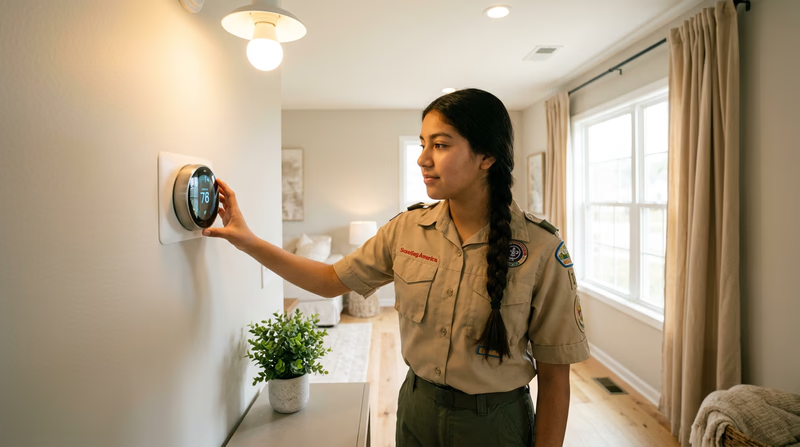
1. Adjust Your Thermostat
What to do: Lower the thermostat 2–3°F in winter and raise it 2–3°F in summer. Use a programmable thermostat to reduce heating/cooling when nobody is home or everyone is asleep.
Benefits:
- Saves 5–10% on heating and cooling costs per degree adjusted
- Reduces greenhouse gas emissions from energy generation
- No cost to implement
Risks:
- Family members may feel uncomfortable at first (bodies adjust in a few days)
- In extreme climates, setting the thermostat too low in winter could risk frozen pipes
2. Use Window Shades Strategically
What to do: In summer, close blinds and curtains on sun-facing windows during the hottest part of the day. In winter, open south-facing curtains during the day to let sunlight warm the room, then close them at night to insulate.
Benefits:
- Reduces cooling costs by up to 33% in summer
- Free solar heating in winter
- No cost to implement with existing curtains
Risks:
- Rooms may feel darker with curtains closed
- Requires daily attention to open and close at the right times
3. Reduce Hot-Water Temperature
What to do: Lower your water heater temperature from the default 140°F to 120°F. Most households will not notice the difference.
Benefits:
- Saves 4–22% on water heating costs
- Reduces the risk of scalding burns (especially important for young children)
- Slows mineral buildup in the water heater, extending its life
Risks:
- Water may feel slightly less hot in the shower (most people adjust quickly)
- Dishwashers may need a booster heater if they require higher temperatures (most modern ones have built-in heaters)
4. Switch to LED Lighting
What to do: Replace incandescent and CFL bulbs with LED bulbs throughout your home.
Benefits:
- LEDs use 75% less energy than incandescent bulbs
- They last 25 times longer (about 25,000 hours)
- They produce less heat, which slightly reduces cooling costs in summer
Risks:
- Higher upfront cost per bulb (though the savings pay for themselves within months)
- Some people prefer the warmer color of incandescent light (LEDs now come in warm tones too)
5. Open Windows for Natural Ventilation
What to do: On mild days, turn off the AC and open windows to let fresh air circulate. Use window fans to create cross-ventilation.
Benefits:
- Zero energy cost for cooling
- Improves indoor air quality with fresh air circulation
- Reduces wear on your HVAC system
Risks:
- Not practical on very hot, very cold, or very humid days
- May let in pollen (a concern for allergy sufferers)
- Security considerations — do not leave ground-floor windows open when away
6. Unplug “Vampire” Electronics
What to do: Many devices draw power even when turned off — this is called “phantom” or “vampire” power. Unplug chargers, gaming consoles, TVs, and small appliances when not in use, or use a power strip with an on/off switch.
Benefits:
- Saves 5–10% on your electricity bill
- Reduces unnecessary energy waste
- Power strips make it easy — one switch cuts power to multiple devices
Risks:
- Inconvenience of unplugging and replugging devices
- Some devices (like DVRs or smart home hubs) need constant power to function properly
7. Air-Dry Clothes
What to do: Use a clothesline or drying rack instead of the dryer, especially in warm weather.
Benefits:
- Clothes dryers are one of the most energy-hungry appliances in your home
- Air-drying is gentler on fabrics, making clothes last longer
- Zero energy cost
Risks:
- Takes longer than machine drying (plan ahead)
- Weather-dependent for outdoor drying
- May not be allowed by HOA rules in some communities (though many states have “right to dry” laws)
Implementing Your Changes
Pick at least two or three changes that you can actually implement in your home. Track the results if possible:
- Compare your electric or gas bill before and after the changes
- Note which changes your family adopted easily and which ones they resisted
- Record any unexpected benefits (like better sleep with a cooler bedroom)