Req 6b — Impact of Too Much Stuff
The Hidden Cost of Too Much Stuff
We live in a culture that constantly encourages buying more. Advertisements, social media, sales events, and peer pressure all push us to accumulate things. But all that stuff comes with hidden costs that go far beyond the price tag.
Five Ways Too Much Stuff Affects Us
1. Financial Strain
Every item you buy costs money — but the expenses do not stop at the register.
- Purchase cost: The obvious expense of buying things
- Maintenance: Items need cleaning, repairing, updating, and replacing parts (think about how much video game controllers cost to replace)
- Storage: When your home fills up, some families rent storage units — the average cost is $100–$200 per month
- Insurance: More stuff means higher insurance premiums to protect it all
- Opportunity cost: Money spent on stuff you do not need is money you cannot spend on experiences, savings, or things that matter more
2. Time Drain
Stuff demands your time in ways you might not notice:
- Shopping: Browsing, comparing, purchasing, and returning items
- Organizing: Sorting, arranging, and reorganizing closets, drawers, and shelves
- Cleaning: More items means more surfaces to dust, more things to wash, and more clutter to manage
- Maintenance and repair: Fixing, updating, and servicing items
- Decision fatigue: Research shows that having too many choices drains mental energy and makes even simple decisions harder
3. Health Effects
The connection between stuff and health is stronger than most people realize:
- Stress and anxiety: Studies show that cluttered environments increase cortisol (the stress hormone) levels. People in cluttered homes report feeling more overwhelmed and less able to relax.
- Physical hazards: Cluttered homes have higher risks of falls, fire, and pest infestations
- Air quality: Stored items collect dust, mold, and allergens
- Mental health: Hoarding — the extreme end of accumulation — is recognized as a mental health disorder
4. Community Impact
Too much stuff at the individual level adds up to community-wide problems:
- Landfill pressure: Communities must build and maintain landfills, which take up land, produce methane, and can contaminate groundwater
- Traffic and congestion: Shopping trips and delivery trucks add to traffic, noise, and air pollution
- Resource strain: Water, energy, and raw materials used to produce consumer goods put pressure on local and regional resources
5. Global Consequences
The global picture is even bigger:
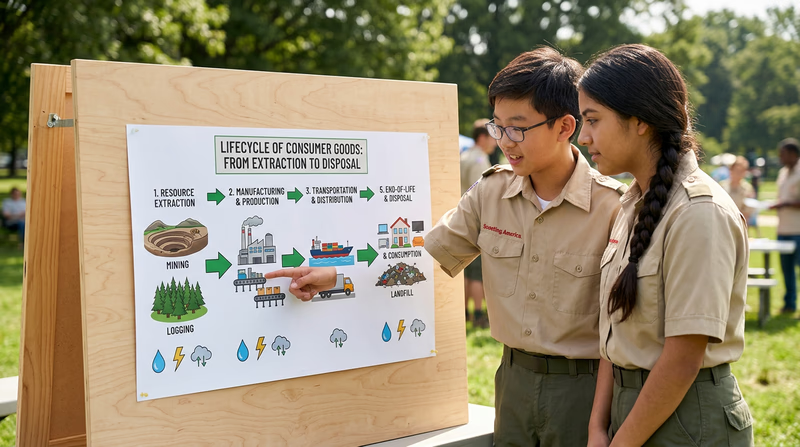
- Resource depletion: Mining, drilling, and harvesting raw materials destroys ecosystems worldwide
- Carbon emissions: Manufacturing, shipping, and disposing of goods generates enormous greenhouse gas emissions
- Ocean pollution: An estimated 8 million tons of plastic enters the oceans every year, much of it from consumer products and packaging
- Labor exploitation: The demand for cheap goods drives poor working conditions in factories around the world
Practices to Avoid Accumulating Too Much
The 30-Day Rule
When you want to buy something non-essential, wait 30 days. If you still want it after a month, consider buying it. Most impulse desires fade within a few days.
One In, One Out
For every new item you bring home, donate or recycle one item of similar type. This keeps your total amount of stuff from growing.
Borrow Before You Buy
Need a tool for a one-time project? Borrow it from a neighbor. Want to try a new hobby? Rent or borrow equipment before investing in your own. Libraries lend far more than books — many offer tools, games, and sporting equipment.
Experience Over Things
Research consistently shows that spending money on experiences (camping trips, concerts, cooking classes) brings more lasting happiness than buying physical objects. Memories do not need storage.
Quality Over Quantity
One well-made item that lasts 10 years is more sustainable than three cheap versions that each last two years. Investing in quality reduces long-term consumption.