Req 1b — Health Concerns
Swimming is a fantastic activity, but the combination of water, sun, and physical exertion creates health risks you need to understand. Your counselor will want you to discuss each of these concerns — what causes them, how to prevent them, and what to do if they happen.
Temperature-Related Concerns
Hypothermia
Hypothermia occurs when your body loses heat faster than it can produce it, and your core temperature drops below 95°F (35°C). Water pulls heat from your body much faster than air does, so hypothermia is a serious risk for swimmers — even in water that does not feel especially cold.
Signs: Shivering, confusion, slurred speech, clumsiness, drowsiness, slow breathing
Prevention:
- Know the water temperature before swimming
- Limit time in water below 70°F
- Wear a wetsuit in cold water
- Get out of the water at the first sign of shivering
Treatment: Get the person out of the water immediately. Remove wet clothing and wrap them in dry blankets. Give warm (not hot) drinks if they are alert. Seek medical help for severe cases.
Dehydration
It sounds strange — getting dehydrated while surrounded by water — but it happens. Swimming is hard work, and you sweat even in the pool. You just do not notice because the water washes the sweat away.
Signs: Thirst, headache, dizziness, dark urine, fatigue
Prevention: Drink water before, during breaks, and after swimming. Do not wait until you feel thirsty.
Treatment: Move to shade, sip water slowly, rest. If symptoms are severe (confusion, fainting), seek medical help.
Heat Exhaustion and Heatstroke
These are heat-related illnesses that happen when your body overheats, usually from swimming outdoors in hot weather — especially during long sessions on the pool deck between swims.
Heat exhaustion signs: Heavy sweating, cool and clammy skin, fast and weak pulse, nausea, dizziness
Heatstroke signs: High body temperature (above 103°F), hot and red skin, fast and strong pulse, confusion, loss of consciousness
Prevention: Take breaks in the shade, drink plenty of water, wear sunscreen, avoid prolonged exposure during peak heat (10 a.m. to 4 p.m.).
Treatment for heat exhaustion: Move to a cool place, loosen clothing, apply cool wet cloths, sip water.
Treatment for heatstroke: This is a medical emergency. Call 911 immediately. Move the person to a cool area and cool them rapidly with cold water or ice packs on the neck, armpits, and groin. Do not give fluids if they are unconscious.
Sun Exposure
Sunburn
Water reflects UV rays, increasing your sun exposure. You can get a severe sunburn while swimming without realizing it because the water keeps your skin cool.
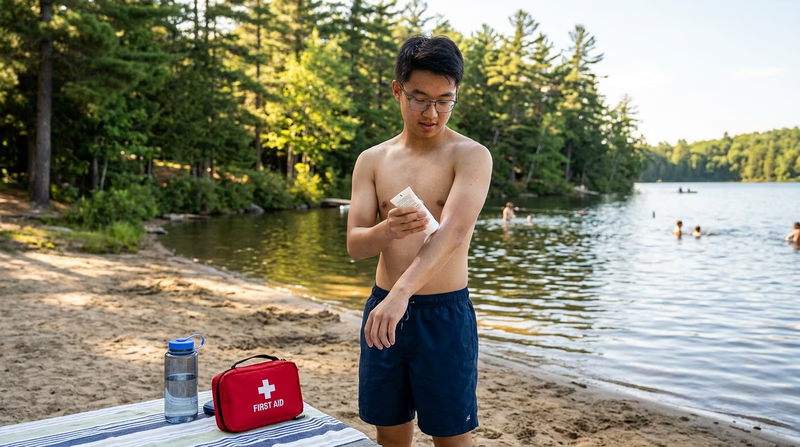
Prevention: Apply water-resistant sunscreen (SPF 30 or higher) 15 minutes before swimming and reapply every two hours or after toweling off. Wear a rash guard for extended time in the water.
Treatment: Cool compresses, aloe vera, stay out of the sun. Seek medical attention for blistering sunburns or sunburn accompanied by fever.
Physical Concerns
Muscle Cramps
A cramp is a sudden, involuntary contraction of a muscle. In the water, cramps usually hit the calves, feet, or hands. They are painful but rarely dangerous on their own — the real danger is the panic that can follow.
Prevention: Warm up before swimming, stay hydrated, avoid swimming immediately after a large meal, and build up your swimming endurance gradually.
Treatment: Stay calm. Float on your back and gently stretch the cramped muscle. If you are in deep water, signal your buddy and move toward shallow water or the pool wall.
Hyperventilation
Hyperventilation is rapid, deep breathing that lowers carbon dioxide levels in your blood. Some swimmers intentionally hyperventilate before underwater swimming, thinking it lets them hold their breath longer. This is extremely dangerous. It does not increase oxygen — it tricks your brain into not feeling the urge to breathe, which can cause you to black out underwater.
Prevention: Never hyperventilate before swimming underwater. Take normal, relaxed breaths before a breath-hold.
Treatment: If someone hyperventilates on deck, have them breathe slowly into cupped hands. If someone loses consciousness in the water, remove them immediately and begin rescue breathing if needed.
Spinal Injury
Diving into shallow water is the most common cause of swimming-related spinal injuries. Hitting the bottom or a submerged object with your head can fracture vertebrae and damage the spinal cord, potentially causing permanent paralysis.
Prevention: Never dive into water of unknown depth. Always enter feetfirst in unfamiliar water. Follow all posted depth markers and diving rules.
Treatment: If you suspect a spinal injury, do not move the person. Stabilize their head and neck in line with their body. If they are in the water, support them faceup at the surface without bending or twisting the spine. Call 911 immediately.
Environmental Hazards
Stings and Bites
In open water, you may encounter jellyfish, sea urchins, stingrays, insects, or snapping turtles. Freshwater swimmers may face leeches, water moccasins, or fire ants near the water’s edge.
Prevention: Wear water shoes in natural water. Shuffle your feet when wading (the “stingray shuffle”). Learn what hazards exist in your local waterways before swimming.
Treatment: For jellyfish stings, rinse with vinegar and remove tentacles with tweezers. For insect stings, remove the stinger and apply a cold compress. For any bite or sting with severe pain, swelling, or allergic reaction, seek medical help.
Cuts and Scrapes
Rocky lake bottoms, broken shells, rough pool surfaces, and debris can all cause cuts and scrapes.
Prevention: Wear water shoes in natural settings. Inspect the swimming area for sharp objects before entering. Use the pool ladder instead of climbing over rough edges.
Treatment: Clean the wound with clean water, apply pressure to stop bleeding, and cover with a waterproof bandage. Get out of the water — an open wound should not be submerged. Seek medical attention for deep cuts or signs of infection.
American Red Cross — Water Safety Tips Water safety guidance from the American Red Cross, including tips for pools, beaches, and open water.