Req 3e — Dye Fabric with Natural Color
Dyeing lets you see fabric finishing in action. The color of a textile is not just decoration. It affects how a finished item looks, feels, and sometimes even how you care for it. Natural dyeing is especially interesting because the color often comes from plants, food scraps, bark, or other materials that release pigment into water.
Choose Dye Sources That Are Easy to Work With
Common natural dye sources include onion skins, red cabbage, turmeric, black beans, tea, avocado pits, and some berries or flowers. Different sources can produce very different shades depending on the fabric, the water, and whether a mordant or fixative is used.
Start With the Right Fabric
Natural fibers such as cotton, linen, silk, or wool usually accept natural dyes better than many synthetics. If you dye a polyester-rich fabric, the result may be weak or uneven.
🎬 Video: Natural Dyes From Plants and Vegetables | DIY Eco-Friendly Dyes | Homeschool with Everyday Food (video) — https://youtu.be/jHpPuvibjZ8
Use this resource for ideas about easy dye sources and basic process setup.
🎬 Video: Short Tie Dye Demo - No Narration (video) — https://www.youtube.com/shorts/J6Ib3Ehy_pw?feature=share
🎬 Video: Short Tie Dye Demo - With Narration (video) — https://www.youtube.com/shorts/Oeth97r7VCw?feature=share
These short videos can help if you want a resist pattern rather than a single solid color.
A Basic Dye Process
Natural Dye Workflow
Keep your process simple and consistent
- Prepare the fabric: Wash it first so dirt or finishes do not block the dye.
- Make the dye bath: Simmer your plant or food material in water to release color.
- Strain if needed: Remove solids if you want a smoother dye bath.
- Dye the fabric: Soak the fabric and keep notes on time and temperature.
- Rinse and dry: Expect the final color to look a little different once dry.
Compare Your Two Dyes
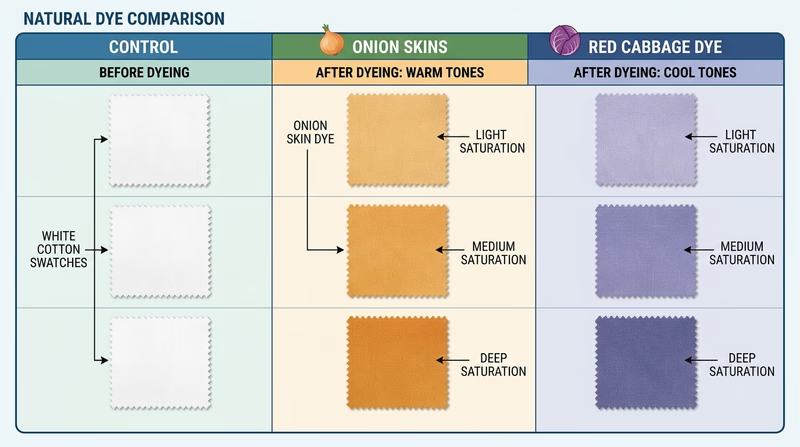
This requirement is stronger if the two natural dyes are clearly different. You might compare warm versus cool color, stronger versus weaker uptake, or one dye source that works better on one fabric than another.
What to Report
When you talk to your counselor, explain:
- what two dye sources you used
- what fabric or garment you dyed
- what steps produced the best result
- what changed once the fabric dried
- whether the color was even, mottled, light, or intense
Dyeing changes color. The next option changes performance by helping fabric resist water.