Req 3e — Hair & Makeup
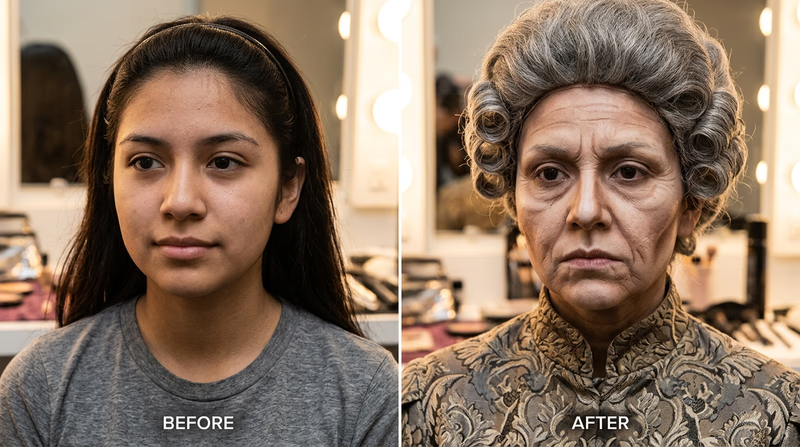
Stage makeup is an essential part of theater — and it is very different from everyday cosmetics. Under bright stage lights, an actor’s natural features can wash out and become invisible to the audience. Makeup restores those features, adds character details, and can even transform a young person into an elderly one or a human into a creature.
For this requirement, your counselor will direct you to create one of four looks: a historical figure, a clown, an extraterrestrial, or a monster. Each one uses different techniques, but the fundamentals are the same.
Stage Makeup Basics
Before you tackle a character look, you need to understand the basics that apply to every stage makeup application.
The Foundation
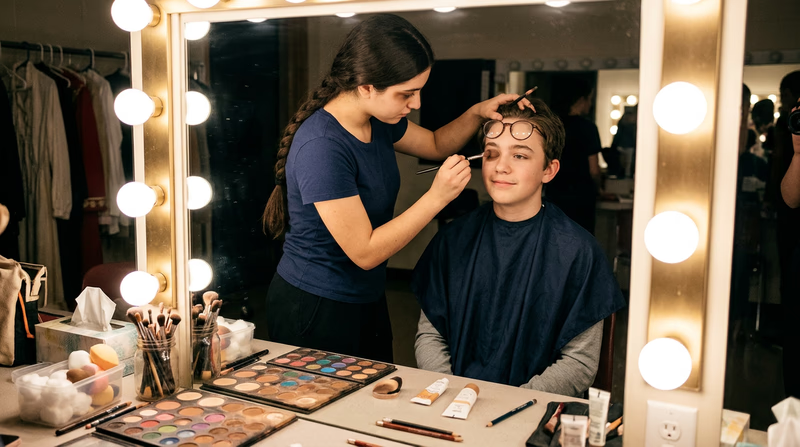
Foundation evens out skin tone and provides a base for everything else. Stage foundation is thicker and more pigmented than everyday foundation because it needs to be visible from a distance.
- Apply with a sponge or brush, blending outward from the center of the face
- Choose a shade that matches the subject’s skin tone (or the character’s intended skin tone)
- Blend carefully at the jawline and hairline — no visible edges
Highlight and Shadow
This is the core technique of stage makeup. By applying lighter colors (highlights) and darker colors (shadows), you can reshape the appearance of facial features:
- Highlight makes areas appear to come forward (bridge of the nose, cheekbones, brow bone)
- Shadow makes areas appear to recede (under the cheekbones, sides of the nose, eye sockets)
Eyes and Brows
Eyes are where the audience looks most. Define them with:
- Eyeliner to outline and enlarge the eye shape
- Eye shadow to add depth and color
- Brow pencil to darken and shape eyebrows (crucial for visibility from the audience)
Lips
Use lip liner and lipstick to define the mouth. On stage, lips need to be defined enough to be visible but not so dramatic that they distract from the character (unless that is the intent).
The Four Character Types
Historical Figure
Research your chosen figure thoroughly. Look for portraits, photographs, and descriptions. Key features to capture:
- Distinctive facial features (a prominent nose, bushy eyebrows, a specific beard style)
- Hairstyle (wigs or hair styling may be needed)
- Age (use highlight and shadow to add or reduce apparent age)
- Skin tone appropriate to the historical person
Clown
Clown makeup uses bold, exaggerated shapes and bright colors. The classic clown face starts with a white base and adds features in red, black, and blue. Key elements include:
- An oversized mouth painted well beyond the natural lip line
- Exaggerated eyebrows or eye shapes
- A red nose (painted or a foam nose)
- Each clown traditionally has a unique face design — no two are exactly alike
Extraterrestrial
Alien makeup lets your imagination run wild. Think about:
- Unusual skin colors (green, blue, silver, purple)
- Modified facial features (enlarged eyes, altered nose shape, pointed ears)
- Texture effects (scales, ridges, metallic sheen)
- Prosthetic additions if available (foam latex pieces for brow ridges, cheekbones, or chin)
Monster
Monster makeup uses shadow, texture, and sometimes prosthetics to create a frightening appearance:
- Deep shadows around the eyes and cheekbones for a skull-like effect
- Scars and wounds created with liquid latex and tissue paper
- Altered skin color (pale for a vampire, green for Frankenstein’s monster)
- Teeth and contact lenses (if available and safe to use)
Hair Design
Hair is part of the total look. Depending on your character, you may need:
- Styling — Curling, straightening, pinning up, or parting the hair differently
- Wigs — For dramatic changes in length, color, or style
- Hair pieces — Clip-on braids, buns, or extensions for added volume or length
- Products — Hairspray, gel, and temporary color spray for quick transformations
Makeup Kit Essentials
Basic supplies for theater makeup
- Foundation in several shades.
- Highlight and shadow colors (cream-based for stage work).
- Eyeliner pencils (black and brown).
- Eye shadow palette.
- Lip liner and lipstick.
- Setting powder and a powder brush.
- Makeup sponges and brushes of various sizes.
- Makeup remover and cleansing cloths.
- A lighted mirror.
- Reference photos of your character.
Explore More Resources
Stage Makeup Online Tutorials and product guides specifically designed for theater makeup applications.