Req 1 — Water Sense and Safety
These three parts work together like a safety chain. First you learn to spot hazards before they become emergencies. Then you review the injuries and illnesses most likely to happen on the water. Finally, you connect all of that to Scouting America’s official Safety Afloat rules so your decisions match the standard your counselor expects.
Focus on one idea as you read: good water-sports safety starts before the skier ever says “Hit it!”
Requirement 1a
The most common water-sports hazards are not secret dangers hiding underwater. They are ordinary problems that become serious when people rush, guess, or stop paying attention. In water sports, speed makes small mistakes happen fast, so you have to notice hazards early.
A smart way to talk through this requirement is to sort hazards into four buckets: conditions, equipment, people, and boat operations.
Conditions hazards
These are the problems created by the lake, river, or weather itself.
- Shallow water can stop a ski or board suddenly and throw you forward.
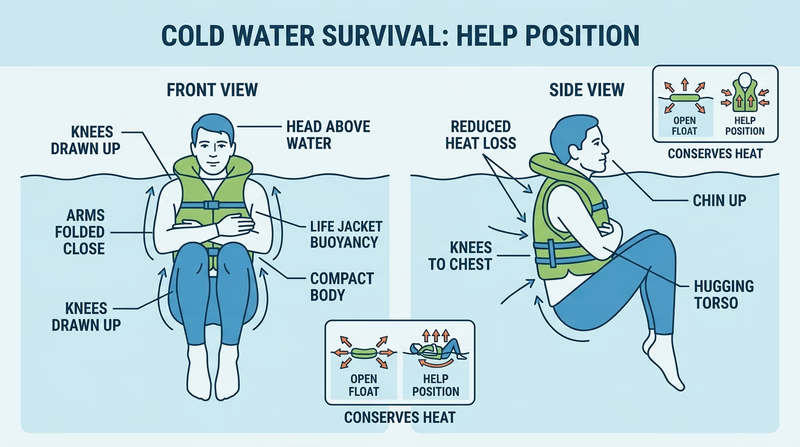
- Cold water can trigger cold-water shock and make breathing hard.
- Wind and chop make starts, crossings, and pickups harder.
- Lightning and storms turn an open lake into a dangerous place in minutes.
- Boat traffic, docks, stumps, and swimmers leave less room for error.
To anticipate these hazards, inspect the area before anyone rides. Ask: How deep is it? Where are the shallow spots? What is the weather doing? Which direction keeps the rider away from docks, swimmers, and heavy traffic?
Pre-run hazard scan
Ask these questions before every pull
- Water depth: Is the water at least 5 feet deep or deeper than the rider is tall?
- Surface conditions: Are wind, chop, or crossing wakes likely to affect control?
- Traffic pattern: Where are other boats, anglers, docks, and swim areas?
- Weather: Is there thunder, lightning, or rough weather building nearby?
- Pickup route: Does the driver have room to circle back safely after a fall?
Equipment hazards
A damaged towrope, loose binding, poorly fitted life jacket, or sharp hardware can turn a normal run into an injury. Good riders check gear before launching instead of trusting that it was fine last time.
Prevent equipment hazards by checking skis or boards for cracks, rough edges, and loose parts. Inspect the rope and handle for frays. Make sure the life jacket is U.S. Coast Guard approved, snug, and right for waterskiing or wakeboarding.
People hazards
A tired rider, distracted observer, or overconfident driver can create danger even on a calm lake. Communication problems are especially risky because the rider cannot talk directly to the driver once the engine is running.
Prevent people hazards by using a dedicated observer, reviewing hand signals, and agreeing on the plan before the boat starts. If someone is cold, shaky, dehydrated, frightened, or too tired to hold good body position, stop and reset.
Boat-operation hazards
The boat itself creates special risks: propellers, stern approach, sudden acceleration, tight turns, and poor pickups after a fall. The rider’s safety depends heavily on the driver and observer doing their jobs well.
Mitigate boat-operation hazards by keeping the observer focused on the rider, approaching a fallen skier carefully, cutting the motor when needed, and never letting someone approach the stern while the engine is running.
Anticipate, prevent, mitigate, respond
Your counselor may ask you to explain the difference between these words.
- Anticipate means noticing what could go wrong before the run starts.
- Prevent means taking steps that make the problem less likely.
- Mitigate means reducing how severe the situation becomes.
- Respond means taking the right action once something has happened.
For example, if the water is cold, you anticipate cold-water risk by checking temperature and conditions. You prevent trouble by wearing the right gear and limiting exposure. You mitigate the danger by keeping blankets and dry clothes ready in the boat. You respond by getting a cold rider out of the water quickly and beginning warming steps.
Requirement 1b
This requirement is about pattern recognition. You do not need to become a doctor. You do need to notice early signs, give appropriate first aid, and know when a situation is serious enough to stop the activity and get help.
Prevention
Most common water-sports injuries are easier to prevent than to treat.
- Blisters: Use gear that fits, keep hands dry when possible, and avoid repeated rubbing from poor grip.
- Cold-water shock and hypothermia: Dress for water temperature, not just air temperature, and keep dry clothing nearby.
- Dehydration and heat illness: Drink water often, rest in shade, and remember that wind and spray can hide how hot you are getting.
- Sunburn: Use sunscreen, reapply it, and protect ears, neck, shoulders, and legs.
- Sprains, strains, cuts, and bruises: Warm up, use well-maintained gear, and avoid rough landings or shallow water.
- Spinal injury and concussion: Never ride in unsafe depth, never push tired riders past control, and treat hard falls seriously.
Symptoms to watch for
A Scout who can describe symptoms clearly sounds prepared.
- Blisters: Hot spots, rubbing pain, raised skin.
- Cold-water shock: Gasping, rapid breathing, panic, loss of control soon after cold immersion.
- Hypothermia: Shivering, blue lips, clumsiness, confusion, then extreme lethargy.
- Dehydration: Headache, dry mouth, dizziness, fatigue, dark urine.
- Heat-related illness: Heavy sweating, cramps, weakness, nausea, headache; heat stroke adds confusion, collapse, and possible loss of sweating.
- Sunburn: Red, painful skin and later blistering in worse cases.
- Sprains and strains: Pain, swelling, weakness, limited movement.
- Minor cuts and bruises: Bleeding, swelling, tenderness, discoloration.
- Spinal injury: Neck or back pain, numbness, weakness, trouble moving.
- Concussion or head trauma: Headache, dizziness, confusion, nausea, memory trouble, sensitivity to light, unusual behavior.
First-aid treatment
Use calm, simple explanations with your counselor.
- Blisters: Stop the rubbing, pad the area, and keep it clean.
- Cold-water shock: Get the person out of the water as quickly as possible and watch breathing closely.
- Hypothermia: Remove wet clothing, dry the person, wrap them in blankets, warm the trunk first, and avoid rough handling.
- Dehydration: Move to shade and give water or other appropriate fluids if the person is alert.
- Heat illness: Cool the person, rest them, give fluids if appropriate, and get urgent help for signs of heat stroke.
- Sunburn: Get out of the sun, cool the skin, and protect it from more exposure.
- Sprains and strains: Rest the injured area, limit use, cool it, and support it.
- Minor cuts and bruises: Clean cuts, control bleeding, bandage if needed, and monitor swelling.
- Spinal injury: Do not move the person unless there is immediate danger. Stabilize and get emergency help.
- Concussion/head trauma: End activity, monitor closely, and get medical evaluation before return to sports.
Requirement 1c
Safety Afloat is not just a boating rulebook. For water sports, it is the system that keeps the whole activity organized. The Water Sports merit badge pamphlet points directly to nine Safety Afloat points, and several of them apply almost word-for-word to waterskiing and wakeboarding.
These are the nine points you should know how to discuss:
The nine points of Safety Afloat
How they connect to water sports
- Qualified supervision: A mature, trained adult leads the activity. For towed sports, supervision includes both a skilled boat driver and a separate observer.
- Personal health review: Leaders know about medical issues that could make participation unsafe.
- Swimming ability: All waterskiers and wakeboarders must pass the Scouting America swimmer test before deep-water activity.
- Life jackets: Properly fitted U.S. Coast Guard-approved life jackets are required, and towed participants need one marked for waterskiing.
- Buddy system: Every participant has a buddy, and the group keeps track of one another.
- Skill proficiency: Riders, drivers, and helpers must be trained for what they are doing.
- Planning: The group uses a float plan, checks weather, and thinks through emergencies before launching.
- Equipment: Boats, ropes, skis, boards, and rescue gear must be in good repair and ready to use.
- Discipline: Everyone follows the rules and uses good judgment, even when excited.
How Safety Afloat applies on an actual ski run
A safe run begins with planning and health review before the boat starts. It continues when the rider uses the right life jacket and the driver confirms that the observer is ready. It shows up again when the boat stays out of shallow water, the observer watches the rider instead of chatting, and the crew follows the right pickup procedure after a fall.
That means Safety Afloat is not one decision. It is a chain of decisions:
- choosing a trained driver
- using a separate observer
- checking weather and depth
- requiring the swimmer test
- inspecting life jackets and gear
- agreeing on signals and emergency plans
This page has covered the mindset behind the rest of the badge: notice hazards early, treat injuries seriously, and follow the safety system every time.