Req 5b — Outdoor Clothing
Your clothing is your first line of defense against the environment. A Scout in the right gear can hike comfortably all day; the same Scout in wrong clothes will be miserable in minutes. Clothing systems work by trapping air layers next to your skin—the more you understand about how to layer, the more you control your survival.
The Layering System
The key to outdoor clothing is layering—wearing multiple thin layers you can add and remove based on conditions. This gives you precise control over your body temperature and lets you adapt to changing weather.
Layer 1: Base Layer (Moisture Management)
The base layer sits against your skin. Its job is to pull sweat away from your body (called wicking) so you stay dry, not to insulate you.
Best materials:
- Synthetic (polyester, nylon): Excellent at wicking sweat away. Dries quickly. Best choice for most outdoor activities.
- Merino wool: Naturally wicks moisture, regulates temperature, and resists odor. Expensive but durable.
- Avoid cotton: Cotton absorbs water and holds it against your skin. In cold weather, this leads to hypothermia. Cotton is never appropriate for serious outdoor activities.
When to wear it: Always. Even in hot weather, a good base layer keeps you dry.
Layer 2: Insulating Layer (Warmth)
The insulating layer traps dead air and creates warmth. This is where you feel the difference between cold and comfortable.
Best materials in different conditions:
Cold weather:
- Fleece: Lightweight, warm, dries quickly. Excellent all-around choice.
- Wool: Warm even when wet. Heavier than fleece but doesn’t compress.
- Down: Incredibly warm for its weight. Only works in dry conditions—loses all insulation when wet.
Wet/humid conditions:
- Wool or synthetic fleece: Don’t lose insulation when wet (unlike down).
- Avoid down: Water destroys its insulation properties.
Hot weather:
- Skip this layer or use a thin, breathable option.
How to choose: In dry cold, down is unbeatable. In wet or unpredictable weather, fleece or wool are more reliable.
Layer 3: Shell Layer (Wind & Water Protection)
The shell is your armor against wind and rain. A good shell is breathable so sweat can escape while blocking external moisture.
Best materials:
- Hardshell (Gore-Tex or similar): Waterproof and breathable. Best choice if you expect heavy rain. Heavier but nearly invincible.
- Softshell: Breathable and stretchy, sheds light rain. Less waterproof than hardshell but more comfortable for active movement.
- Lightweight rain jacket: Good for Scouts who want minimal bulk. Works for light to moderate rain.
Wind protection: A shell that’s water-resistant also blocks wind. Wind can increase heat loss 25x, so a shell is critical in windy conditions even if rain isn’t expected.
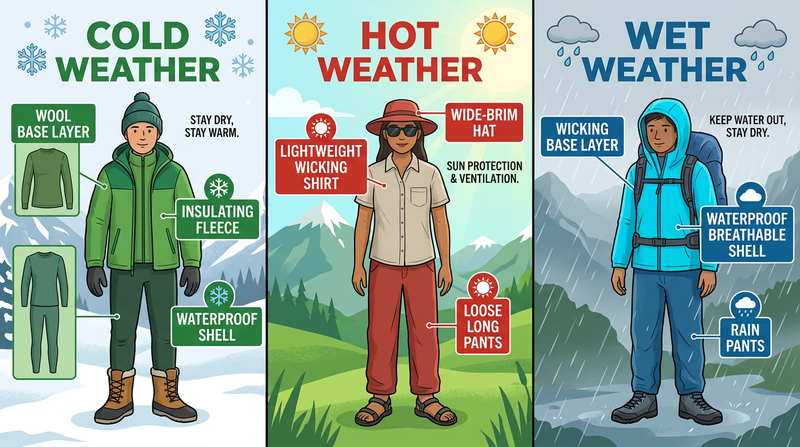
Clothing for Extremely Cold Weather
When temperatures drop below 30°F, proper clothing is the difference between a fun hike and a life-threatening situation.
The Cold Weather System
- Base layer: Synthetic or merino wool (never cotton)
- Insulating layer: Thick fleece or wool. Consider wearing two layers if temperature is below 0°F.
- Shell layer: Wind-resistant jacket and pants. Any breeze will kill you faster than still-air cold.
Additional Cold Weather Gear
- Hat and gloves: You lose disproportionate heat from your head. A wool or synthetic hat is essential. Gloves (or mittens, which are warmer) keep your fingers functional.
- Wool socks: Wear at least two pairs. Keep your toes warm and you’ll keep moving.
- Neck gaiter or balaclava: Protects your face and neck from wind. Critical in extreme cold.
- Gaiters: Wrap around your ankle where boot meets pants to keep snow out.
Cold Weather Mistakes to Avoid
Don’t overdress. Overdressing makes you sweat. Wet layers are death. Wear just enough that you’re cool at the start—you’ll warm up as you move.
Don’t ignore shivering. Shivering means your body is trying to generate heat. Stop and add a layer before shivering becomes uncontrollable.
Don’t wear jeans. Denim absorbs water, dries slowly, and loses insulation when wet. Wear synthetic or wool pants.
Clothing for Hot and Dry Weather
In extreme heat, your enemy is sun exposure and dehydration. Clothing serves to protect you from the sun, not to warm you.
The Hot Weather System
- Base layer: Synthetic or merino wool. Light colors reflect heat; dark colors absorb it. Wear light-colored, moisture-wicking shirts.
- Insulating layer: Skip it. You want air exposure, not insulation.
- Shell layer: A light, breathable shell or lightweight long sleeves. Seems counterintuitive, but long sleeves protect your arms from sun damage and reflect some heat.
Additional Hot Weather Gear
- Wide-brimmed hat: Protects your face and neck. A cap isn’t enough—the brim needs to shade your face and ears.
- Light-colored, loose clothing: Loose fit lets air circulate. Tight clothing traps heat.
- Sunglasses: Protects your eyes from UV damage and reduces glare-related strain.
- Lightweight long pants: Protects legs from sun. Better than shorts in desert conditions.
Hot Weather Mistakes to Avoid
Don’t go shirtless. You’ll get severe sunburn and lose fluids through burned skin.
Don’t wear dark colors. They absorb heat. Light colors (white, tan, pale yellow) reflect it.
Don’t restrict airflow. Tight clothing traps heat. Wear loose, breathable garments.
Don’t rely on shade alone. Reflective surfaces (sand, rock, water) bounce heat and UV rays. Wear sun-protective clothing even in shade.
Clothing and Sun Protection American Academy of Dermatology guide to sun-protective clothing.Clothing for Wet Conditions
Wet weather requires waterproof protection without trapping moisture that leads to hypothermia.
The Wet Weather System
- Base layer: Synthetic (merino wool works too). Cotton is forbidden—it absorbs water.
- Insulating layer: Fleece or wool if it’s cool. Thin or skip if it’s warm and rainy.
- Shell layer: Waterproof jacket and pants. “Water-resistant” isn’t enough—true waterproofing keeps rain out.
Additional Wet Weather Gear
- Rain hat: A brim protects your eyes. A baseball cap is better than no hat, but a full brim is better.
- Waterproof gloves: Regular gloves stay clammy when wet. Waterproof neoprene gloves keep hands functional.
- Gaiters: Keep water out of boot tops.
- Extra socks: Carry multiple pairs. Wet socks cause blisters and foot problems. Swap them frequently.
Wet Weather Mistakes to Avoid
Don’t use a cotton rain jacket. It might block surface water but still absorbs moisture and doesn’t dry quickly. Use synthetic waterproof shell.
Don’t overheat in heavy rain gear. Modern shells are breathable. If you’re overheating and sweating inside the jacket, you’re moving too fast. Slow down and let sweat escape.
Don’t ignore damp conditions. Rain plus cool temperatures equals hypothermia risk. Dress for wet weather even if it’s just “maybe” raining.
Don’t go barefoot or in sandals. Wet feet in cold weather is dangerous. Proper footwear is non-negotiable.
Footwear for Outdoor Conditions
Your feet are your foundation. Bad footwear ruins hikes and creates survival situations.
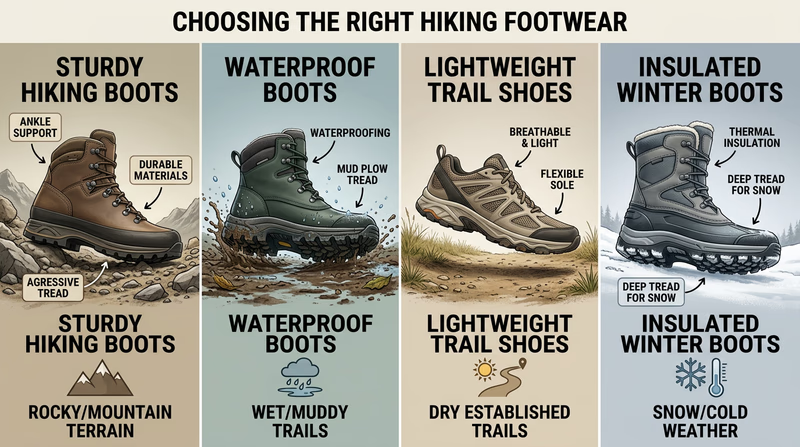
Cold Weather Boots
- Insulation: Look for 200-400 grams of synthetic insulation or equivalent wool. Your feet are furthest from your core—they get cold fast.
- Waterproofing: Leather or synthetic waterproof material. Avoid wet feet at all costs.
- Traction: Good grip on snow and ice. Test on ice before depending on it.
- Fit: Boots should be snug (not tight) with room for thick socks. Tight boots restrict circulation and cause cold feet.
Hot Weather Footwear
- Light-colored: Reflects heat. Dark shoes absorb it and get painfully hot.
- Breathable: Mesh or quick-drying synthetic. Keeps feet cool and dry.
- Supportive: Hiking boots, not casual shoes. Support matters on uneven terrain.
- Gaiters optional: Prevent dust/sand intrusion.
Wet Weather Footwear
- Waterproof: Leather or treated synthetic. Check that the insole/sole is waterproof, not just the upper.
- Quick-drying: Avoid leather if possible—it stays wet. Synthetic dries faster.
- Good drainage: Holes or mesh that lets water escape. Boots filled with water are nearly unusable.
Clothing Checklist by Condition
Cold Weather (Below 30°F):
- Synthetic or merino wool base layer
- Thick insulating layer (fleece or wool)
- Wind-resistant shell
- Hat, gloves, neck protection
- Two pairs of wool socks
- Gaiters
Hot Weather (Above 85°F):
- Light-colored, moisture-wicking shirt
- Light-colored, long pants or shorts
- Wide-brimmed hat
- Sunglasses
- Light shell (optional)
Wet Conditions:
- Synthetic base layer
- Thin insulating layer (if cool)
- Waterproof shell
- Waterproof gloves
- Extra socks
- Rain hat