Req 5c — Wildlife Protection
Most Scout camping trips won’t encounter bears or raccoons, but many will. Both are smart, food-motivated animals that can cause serious problems for unprepared campers. Understanding their behavior and knowing how to manage your camp prevents dangerous situations.
Understanding Bear Behavior
Bears are not aggressive predators looking for humans to attack. They are intelligent animals motivated by food. A bear that visits your camp is looking for an easy meal, not a fight. The vast majority of dangerous bear encounters happen because campers mismanaged food or surprised a bear.
What Bears Want
Bears are calorie-seeking machines. In spring and fall, they actively forage to build fat reserves. A campsite with accessible food is an irresistible opportunity. Once a bear learns your camp has food, it will return—and each visit becomes more dangerous as the bear becomes bolder.
Bears are attracted to:
- Garbage and food scraps
- Cooking smells and grease
- Unattended meals
- Scented personal items (sunscreen, deodorant, soap)
- Pet food
- Bird seed
Types of Bear Encounters
Surprise encounters: You encounter a bear on the trail and startle it. These are rare and usually harmless if you react correctly.
Camp raids: A bear smells food and investigates. This is preventable through proper food storage.
Habituation: A bear has learned that camps = food and is no longer afraid. These bears are dangerous and often need to be relocated or destroyed.
Preventing Bear Problems
Food Storage is Priority One
Every Bear Country regulation starts with the same rule: store food so bears can’t access it.
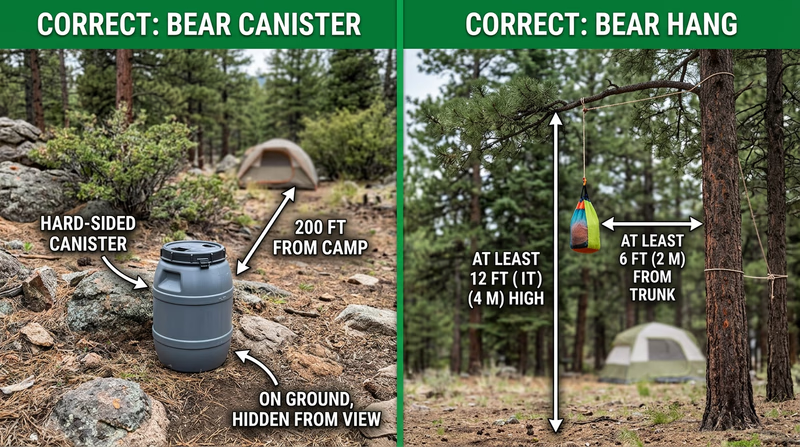
Bear canister or bear bag:
- Use a bear canister (hard, lockable container) if available. Bears cannot break into them.
- If no canister, hang a bear bag from a rope between two trees, at least 12 feet high and 6 feet from each tree trunk.
- Never store food in your tent. Not ever.
What to hang:
- All food and food packaging
- Garbage
- Cookware and utensils (they retain food smells)
- Toiletries (sunscreen, toothpaste, deodorant, soap)
- Trash and recycling
- Pet food
Hang it high: The rope should be at least 12 feet above ground. A bear can stand on hind legs and reach higher than you’d think.
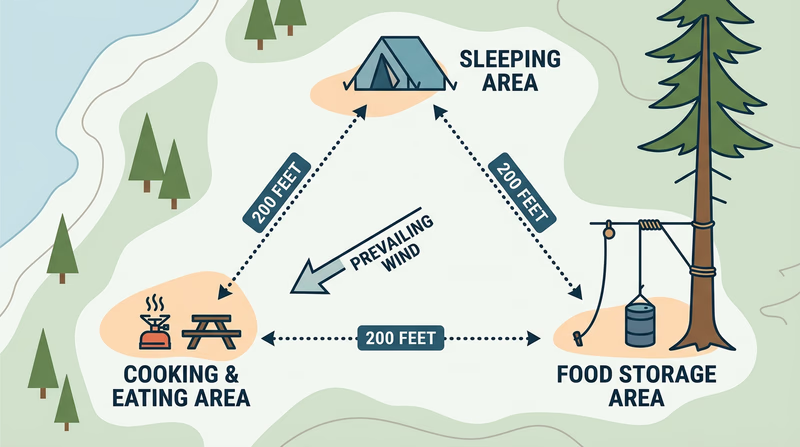
Distance matters: The bag should be at least 100 feet from your sleeping area. If a bear finds it, you want distance between yourself and the problem.
Camp Management
Cook away from camp:
- Set up a cooking area at least 100 feet downwind from your sleeping site.
- Cook your meals before dark.
- Clean up immediately after eating.
Clean up thoroughly:
- Wash dishes right away. Use a small amount of water and scatter the dishwater at least 100 feet from camp.
- Wipe down tables and cooking surfaces.
- Never leave food scraps on the ground.
- Store cooking pots and utensils with food.
Garbage is food to bears:
- Pack out all trash. If you can’t carry it out, hang it.
- Burn only wood in fires, not trash with food residue.
- Never bury garbage—bears will dig it up.
While Hiking
Make noise: Bears want to avoid you. Most bear encounters happen when Scouts surprise bears on the trail. Make noise—talk, use a bear bell, or clap occasionally. A startled bear is more likely to be aggressive.
Stay alert: Keep your eyes and ears open. If you see fresh bear signs (scat, claw marks, overturned logs), you’re in active bear territory. Make extra noise and consider turning back if there are cubs.
Never approach bears: Even from a distance, never approach a bear for a photo or to watch it. Maintain 100+ yards distance. If a bear notices you, leave calmly and quickly.
If You Encounter a Bear
Surprise encounter (bear on trail):
- Stay calm. Most bears will leave if given the opportunity.
- Don’t run. Running triggers chase response. Walk backward slowly.
- Make yourself look big. Raise your arms, stand tall.
- Make noise: Speak in a calm, firm voice. Let the bear know you’re human.
- Give the bear an escape route. Move off the trail slowly.
- Use bear spray if it approaches. Only after it’s clear the bear is aggressive.
Bear at camp:
- Don’t run toward it. Calmly move inside or to a vehicle.
- Make noise. Yell, clap, use an air horn.
- Let it take the food. A food-motivated bear that’s undeterred by noise is after the food, not you. Let it have it and leave.
- Report it. Tell park rangers immediately. A habituated bear is a danger to other Scouts.
Bear spray:
- Only use bear spray if the bear is acting aggressively and approaching.
- Know how to use it before you need it (practice at home with a training spray).
- Spray downwind when the bear is 20-30 feet away.
- Bear spray is 90% effective at stopping an aggressive bear.
Understanding Raccoon Behavior
Raccoons are smarter and bolder than most people realize. They have excellent problem-solving skills and incredible dexterity. A raccoon can open latches, unlock containers, and undo zippers. They are also less afraid of humans than bears and will raid camps at night when Scouts are sleeping.
What Raccoons Want
Raccoons are opportunistic feeders. They eat almost anything and are especially attracted to:
- Garbage
- Pet food
- Unattended food
- Bird seed
- Eggs and small animals
Unlike bears, raccoons often visit in groups. A raccoon raid can be chaos—trash scattered everywhere, food destroyed, your camp destroyed.
Preventing Raccoon Problems
Trash management:
- Never leave trash on the ground or in an open container.
- Store trash in a sealed bin or hang it like food (though raccoons are excellent climbers, so hanging is harder).
- Raccoons have incredible dexterity—a bungee cord won’t stop them. Use a sealed, lockable container.
Food storage:
- Raccoons are nocturnal. Store all food in a sealed container before dark.
- A bear canister works against raccoons too (and is easier to secure against them).
- Never leave food in a tent.
Campsite management:
- Don’t leave pots, pans, or dishes out overnight.
- Remove dog/pet food before dark.
- Clean up spills immediately.
- If cooking at night (not recommended), clean up immediately.
Keep distance:
- Store food and garbage at least 100 feet from your sleeping area.
- Raccoons are emboldened by close food sources and will raid right next to tents.
If Raccoons Raid Your Camp
During a raid:
- Make noise. Yell, clap, blow a whistle.
- Use a flashlight. Shine it at the raccoons.
- Don’t approach. Stand your ground but don’t move toward them.
- Let them leave. Raccoons are not aggressive toward humans—they want food. Let them take it if necessary.
After a raid:
- Assess damage. Check what was destroyed or stolen.
- Secure remaining food. Put everything in sealed containers or hang it properly.
- Clean up. Don’t leave scattered trash for the next night.
- Report it. If raccoons are habitually raiding camps, park rangers need to know.
Regional Differences
Bear and raccoon behavior vary by region. Research before you go:
Black bears (most common): Found in forests across the US. Shy, generally non-aggressive. Food storage is critical.
Grizzly bears (high-altitude West): More aggressive than black bears. Encounter protocols are different (don’t run, use bear spray, play dead if attacked). Only encountered at elevation above 8,000 feet in specific areas.
Raccoons (everywhere): Present in most US habitats. Same prevention strategies everywhere.
Know your region: Before any trip, ask park rangers what wildlife is active and what precautions are needed.
Bear and Raccoon Prevention Checklist
Before Your Trip:
- Research what bears/raccoons live in your area
- Get current information from park rangers
- Bring bear spray if in grizzly country
Setting Up Camp:
- Identify a food storage location 100+ feet from tents
- Hang food in bear canister or bear bag
- Scatter cookware and utensils in food hang
- Set up cooking area away from sleeping area
Daily Management:
- Cook during daylight
- Clean up immediately after meals
- Don’t leave food unattended
- Bring all food inside before dark
- Take out trash immediately
If Wildlife Visits:
- Make noise (yelling, air horn, etc.)
- Don’t run or corner the animal
- Give animals an escape route
- Let them leave without confrontation
- Report habituated wildlife to rangers