Req 1b — First Aid & Protection
Knowing how to respond to injuries is just as important as knowing how to prevent them. In a woodworking shop, even small injuries need proper attention, and knowing how to handle a serious cut could save someone’s life.
First Aid for Woodworking Injuries
Splinters
Splinters are the most frequent woodworking injury. Most are minor, but deep or large splinters need careful removal.
- Wash your hands and the area around the splinter with soap and water.
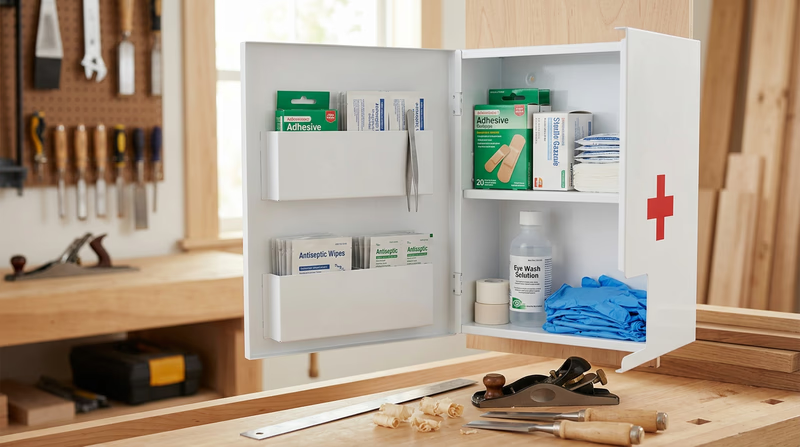
- Sterilize tweezers with rubbing alcohol.
- Grip the splinter as close to the skin as possible and pull it out at the same angle it went in.
- Clean the wound again and apply an adhesive bandage.
- If the splinter is deep, embedded under a nail, or you cannot remove it completely, seek medical attention.
Scratches and Minor Cuts
Small cuts and scratches from sharp edges, rough wood, or tool slips are common.
- Apply gentle pressure with a clean cloth or gauze to stop bleeding.
- Clean the wound with soap and running water.
- Apply antibiotic ointment if available.
- Cover with an adhesive bandage or sterile gauze pad.
- Watch for signs of infection over the next few days — redness, swelling, warmth, or pus.
Serious Cuts
A deep cut from a saw, chisel, or plane requires immediate, decisive action.
- Apply direct pressure with a clean cloth, towel, or gauze. Press firmly and do not lift the cloth to check — this disrupts clot formation.
- Elevate the injured area above the heart if possible.
- If blood soaks through the first cloth, add more material on top — do not remove the original layer.
- Call 911 or have someone drive to an emergency room if bleeding does not stop within 10 minutes, the wound is deep, or you can see bone or tendon.
Severe Bleeding and Shock
Severe bleeding can lead to shock — a life-threatening condition where the body’s organs do not get enough blood flow.
Signs of shock:
- Pale, cool, clammy skin
- Rapid, weak pulse
- Shallow, rapid breathing
- Confusion or dizziness
- Nausea
How to respond:
- Call 911 immediately.
- Have the person lie down and elevate their legs about 12 inches (unless the injury is to the head, neck, or spine).
- Keep them warm with a blanket or jacket.
- Continue applying direct pressure to any bleeding wound.
- Do not give them food or water.
- Stay with them and keep them calm until help arrives.
Protecting Your Eyes
Your eyesight is irreplaceable. Woodworking produces flying chips, sawdust, and splashing finishes that can all damage your eyes.
Eye Protection Rules
Non-negotiable workshop habits
- Wear safety glasses or goggles every time you use a tool — hand tools and power tools alike.
- Choose glasses that meet ANSI Z87.1 safety standards (look for the Z87 marking on the lens or frame).
- Use goggles (not just glasses) when working overhead or when debris could enter from the sides.
- Keep an eye wash station or bottle in the shop for emergencies.
- If something gets in your eye, do not rub it — flush with clean water and seek medical attention if irritation continues.
Protecting Your Hearing
Prolonged exposure to noise above 85 decibels causes permanent hearing loss. Many power tools exceed this level:
| Tool | Approximate Noise Level |
|---|---|
| Hand saw | 70–80 dB |
| Jigsaw | 85–95 dB |
| Circular saw | 95–105 dB |
| Router | 95–110 dB |
| Planer | 100–110 dB |
Wear earmuffs or foam earplugs whenever you use power tools. Even brief, unprotected exposure to sounds above 100 dB can cause damage.
When and Why to Use a Dust Mask
Fine wood dust is invisible to the naked eye, but it settles deep in your lungs. Over time, regular exposure causes respiratory problems. Some wood species are especially hazardous:
- Western red cedar can cause asthma-like reactions
- Walnut dust causes skin and respiratory irritation
- Exotic hardwoods (like cocobolo and rosewood) can cause severe allergic reactions
When to wear a dust mask:
- Sanding (especially power sanding)
- Sawing, especially with power saws that produce fine dust
- Routing or planing
- Sweeping up sawdust
- Applying finishes, stains, or chemical strippers (use a respirator with chemical cartridges, not just a dust mask)
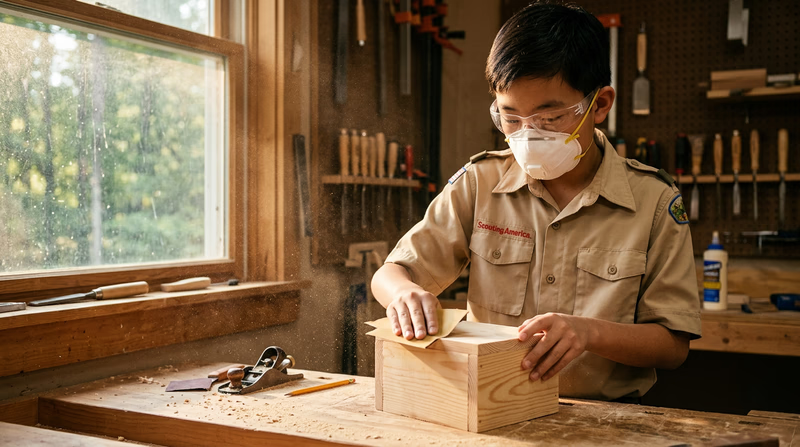
A basic N95 dust mask filters out most wood dust particles. For finishing work with chemical fumes, you need a half-face respirator with organic vapor cartridges.